Irgendwo zwischen den Blumenständen von Monastiraki und dem steilen Marmoraufstieg zur Akropolis stand ein Zeltmacher aus Tarsus auf einem kahlen Kalksteinfelsen und erzählte einer Menge von Philosophen, dass ihr Altar für einen unbekannten Gott in Wirklichkeit an jemanden mit einem Namen gerichtet war. Zweitausend Jahre später ist der Felsen immer noch da, jederzeit kostenlos zu besteigen, und die Predigt, die er dort hielt – aufgezeichnet in Apostelgeschichte 17 – prägt noch immer das Selbstverständnis dieser Stadt. Dies ist eine Wanderroute durch das Athen, das der Apostel Paulus tatsächlich sah: den Marktplatz, auf dem er täglich diskutierte, den Hügel, auf dem er seine Argumente vortrug, und die Straße nach Süden nach Korinth, wo er lange genug blieb, um eine Gemeinde aufzubauen.
Die Agora und der Hügel: Wo Paulus debattierte und predigte
Alles in dieser Geschichte beginnt in einem Quadratkilometer Ruinen unterhalb des Nordhangs der Akropolis, daher macht es Sinn, auch hier zu starten, idealerweise bevor die Tourbusse eintreffen.
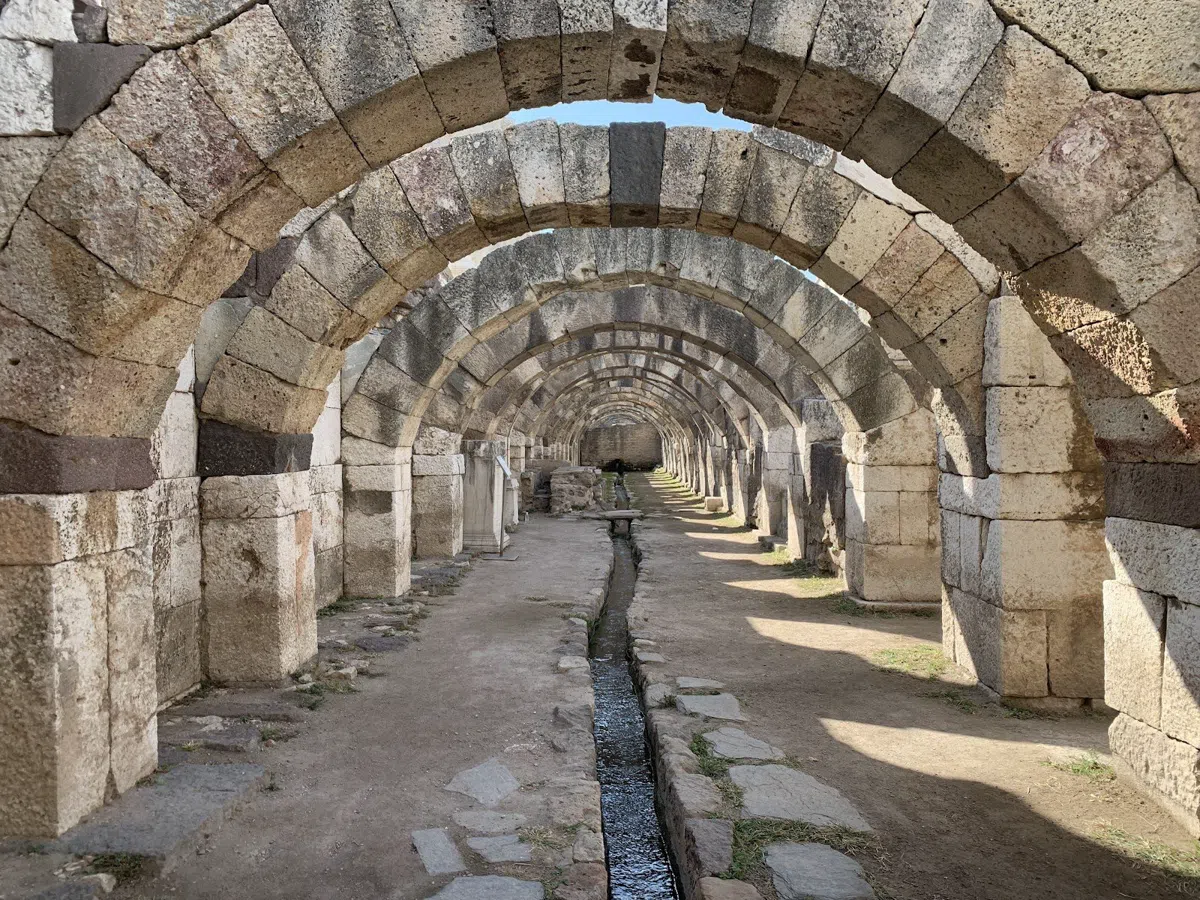
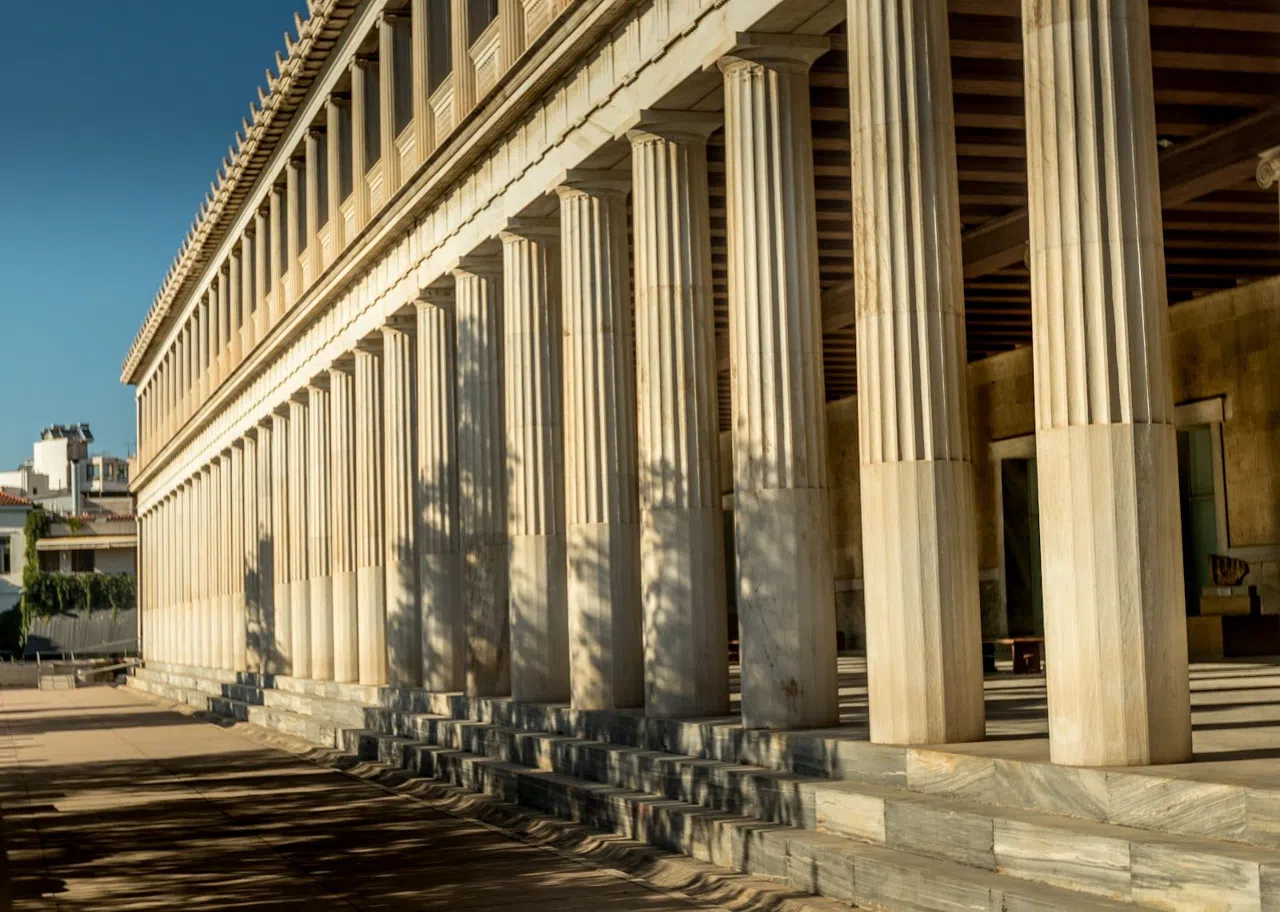
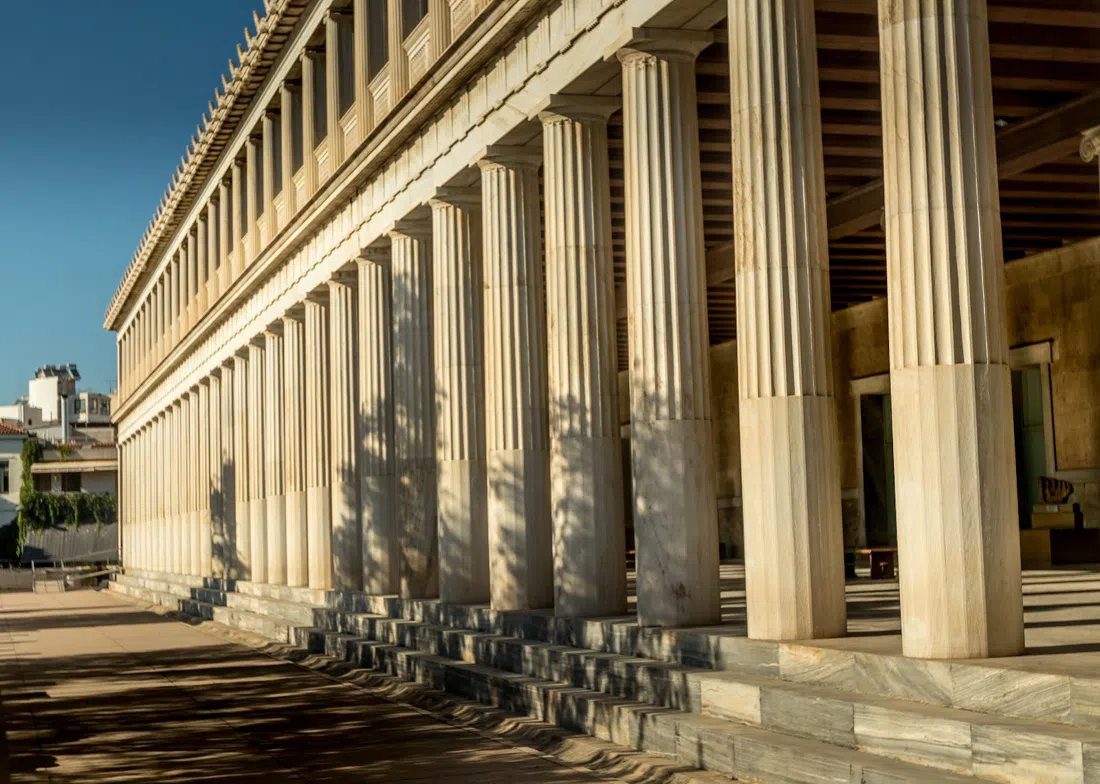
Die Antike Agora von Athen (Monastiraki, Eingang an der Adrianou-Straße) ist der eigentliche Marktplatz, auf dem Paulus laut Apostelgeschichte 17,17 „täglich auf dem Marktplatz mit denen, die gerade da waren, diskutierte“. Es ist leicht, diese Aussage zu unterschätzen, bis man selbst an diesem Ort steht: Dies war das zivile und kommerzielle Herz des klassischen Athen, und die Stoa des Attalos – in den 1950er Jahren wiederaufgebaut und heute Sitz des Museums der Antiken Agora – bietet die säulenumstandene Wandelhalle, in der Philosophen, Händler und ein fremder Prediger mit einer ungewohnten Botschaft sich zwangsläufig begegnet wären. Es ist ein frei zugänglicher staatlicher Ort ohne Buchungspflicht, was wichtig ist, wenn Sie mit einer Kirchengruppe oder einem Reisebus unterwegs sind: Er nimmt problemlos Gruppen von 20 oder mehr Personen auf, ohne den Zeitfenster-Engpass der Akropolis. Eine Regel, die Sie kennen sollten, bevor Sie einen Führer mitbringen: Jeder, der innerhalb einer griechischen staatlichen archäologischen Stätte für eine Gruppe erzählt, muss eine offizielle griechische Reiseleiterlizenz besitzen – ein Pastor mit einem ausgedruckten Programm darf die Schrift informell vorlesen, darf die Gruppe jedoch nicht legal hier führen. Ein Einzelticket kostet im Sommer etwa 10 € (im Winter je nach saisonalen staatlichen Regeln halber Preis oder kostenlos), oder der Ort ist im 30 €-Komboticket für die Akropolis enthalten, das sieben Orte abdeckt – das ist das bessere Angebot, wenn Sie die Akropolis auf derselben Reise besuchen. Planen Sie für die Agora mindestens 60 bis 90 Minuten ein; allein das Museum in der Stoa belohnt eine langsame halbe Stunde.
Von der südwestlichen Ecke der Agora sind es fünf Minuten zu Fuß bergauf zum Areopag (Mars Hill) – einem kahlen Felsvorsprung zwischen der Agora und dem Eingang zur Akropolis. Dies ist der wichtigste Halt der gesamten Route: der tatsächliche Ort von Paulus' Predigt über den „unbekannten Gott“ in Apostelgeschichte 17,22–31, gehalten vor dem Rat der Philosophen und Ältesten der Stadt. Der Eintritt ist frei, keine Tickets erforderlich, und der Ort ist rund um die Uhr geöffnet – genau deshalb lohnt es sich, den Besuch bewusst zu planen, anstatt ihn nur als kurzen Fotostopp zu behandeln. Gehen Sie bei Sonnenaufgang, bevor die Akropolis-Massen herunterströmen, oder bei Sonnenuntergang, wenn das Licht die Agora unter Ihnen golden färbt und der Felsen leer wird – in beiden Fällen erleben Sie sowohl die Atmosphäre als auch einen Moment relativer Ruhe, um die Passage laut zu lesen, was Gruppen hier regelmäßig tun. Die einzige echte Gefahr liegt unter den Füßen: Jahrhunderte der Nutzung haben den Kalkstein zu einer glatten, abgerundeten Oberfläche poliert, und auf dem größten Teil des Aufstiegs gibt es kein Geländer. Flache, griffige Schuhe sind keine Option, besonders nach Regen, und alle in der Gruppe mit Gleichgewichtsproblemen sollten die Metalltreppe auf der Nordwestseite nehmen, anstatt über die abgenutzten Felsstufen zu klettern.
Die Götzen, die ihn betrübten: Die Akropolis im Kontext
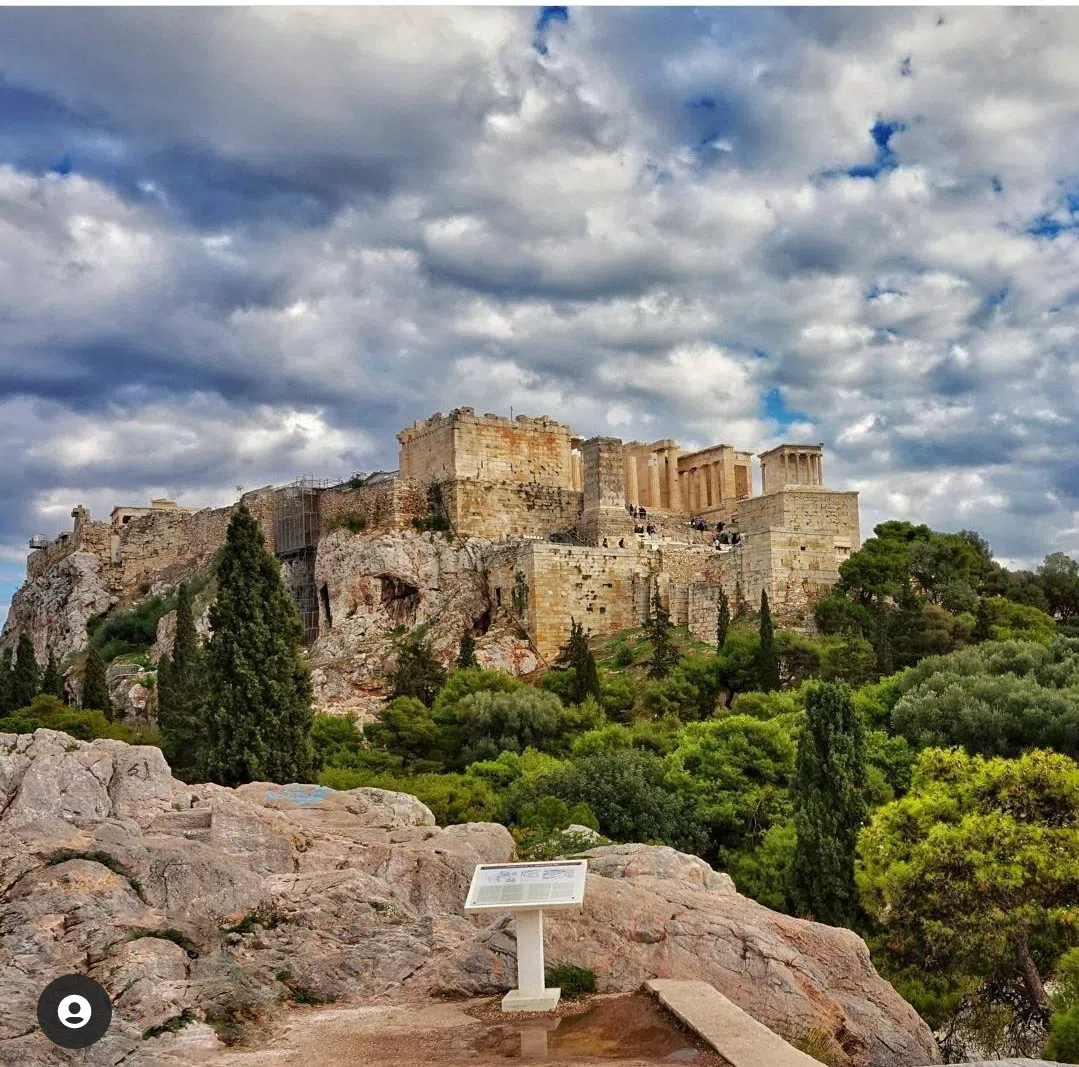
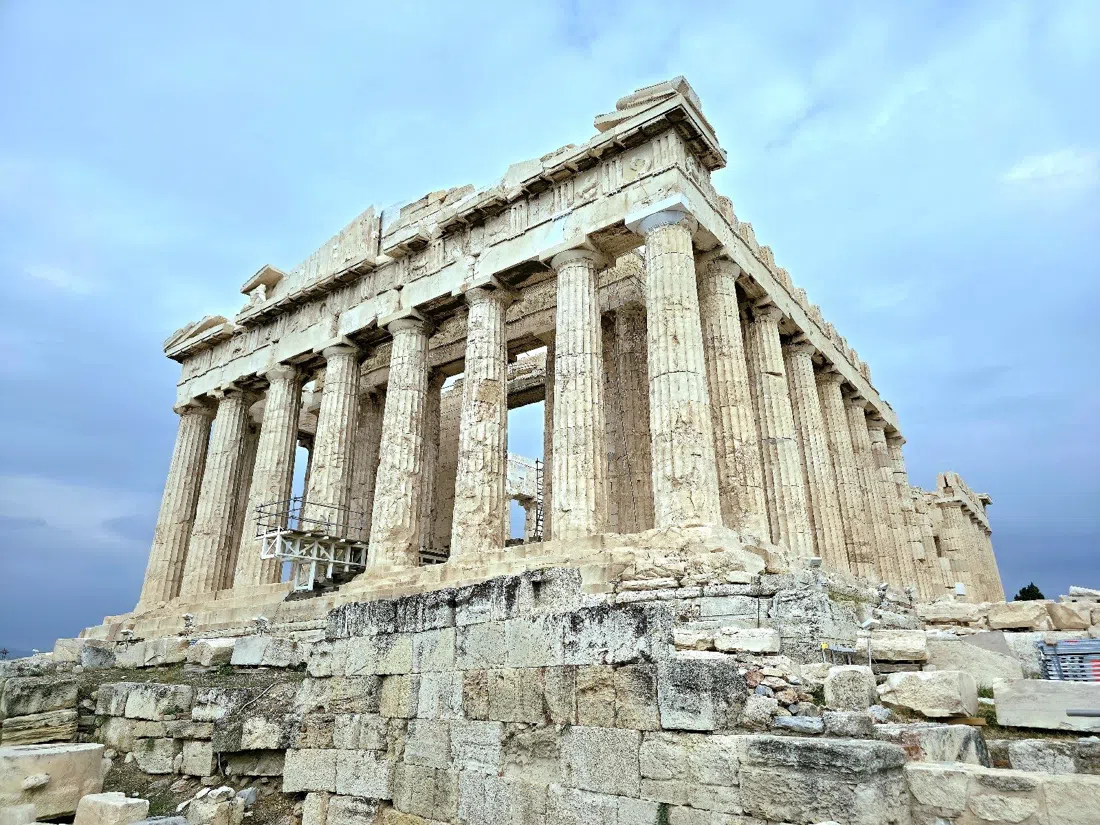
Es lohnt sich, die zusätzliche Strecke zur Akropolis von Athen zu gehen, nicht weil es im engeren Sinne ein biblischer Ort ist, sondern weil Apostelgeschichte 17,16 berichtet, dass Paulus „zutiefst betrübt war, als er sah, dass die Stadt voller Götzen war“, bevor er überhaupt am Areopag den Mund öffnete – und die Akropolis, dicht besetzt mit Tempeln und Weihgeschenken zu seiner Zeit, ist genau die Silhouette, die diese Reaktion auslöste. Die Areopag-Rede zu lesen, ohne gesehen zu haben, was sie auslöste, ist wie eine Widerlegung zu lesen, ohne das Argument zu kennen, auf das sie antwortet. Praktisch gesehen ist dies jedoch ein separates kostenpflichtiges Ticket gegenüber der Agora und erfordert denselben Zeitfensterplatz pro Person, den heute jeder Besucher benötigt, in der Hochsaison online im Voraus zu buchen. Es kostet im Sommer etwa 20 € und im Winter 10 € als Einzelticket oder ist im 30 €-Komboticket enthalten. Wie die Agora bewältigt auch dieser Ort große Gruppen routinemäßig – die Wege und die Parthenon-Terrasse sind auf große Besucherzahlen ausgelegt – aber auch hier darf nur ein lizenzierter griechischer Führer einer Gruppe innerhalb des Geländes Erläuterungen geben. Planen Sie zwei Stunden inklusive Aufstieg ein und gehen Sie entweder bei Öffnung (8 Uhr im Sommer) oder in den letzten zwei Stunden vor Schließung, um die schlimmste Mittagshitze und Warteschlangen zu vermeiden.
Der Bekehrte und die lebendige Gemeinde
Paulus' Predigt auf dem Areopag brachte nach seiner eigenen Aussage in der Apostelgeschichte nur wenige Bekehrte hervor – aber einer von ihnen, Dionysius, war ein Richter im Areopag-Rat selbst und wurde Athens erster Bischof. Die christlichen Institutionen der Stadt führen eine ziemlich direkte Linie auf diesen Nachmittag zurück, und drei Stationen machen diese Abstammung greifbar.
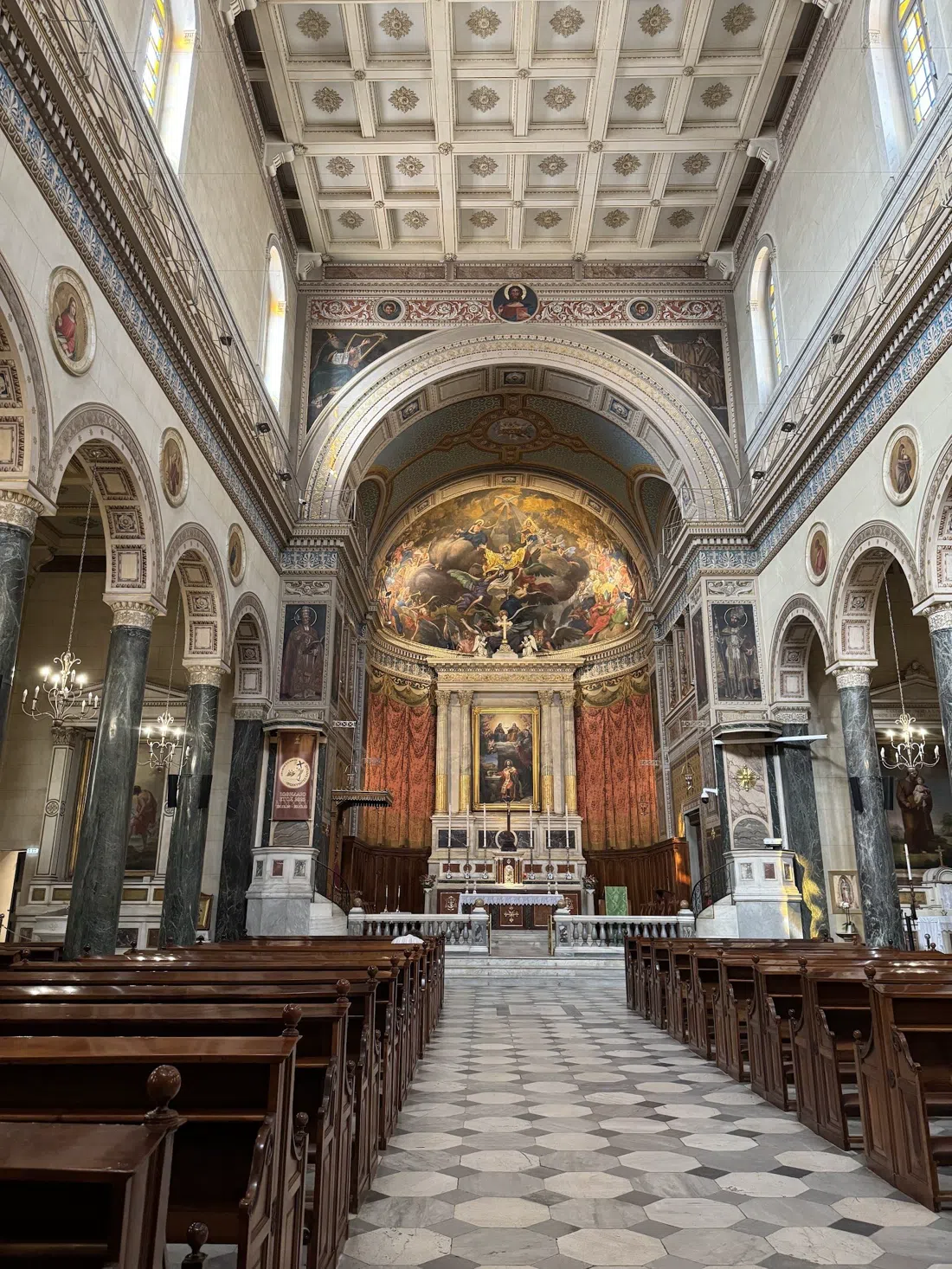
Die Kirche des Heiligen Dionysius Areopagita liegt in Plaka, an den unteren Hängen nahe der Akropolis, und wurde für eben jenen athenischen Richter gebaut – das direkte menschliche Ergebnis von Paulus' Predigt und der nächste Ort auf dieser Route zu einem „tatsächlich hat er jemanden überzeugt“-Wahrzeichen. Der Eintritt ist frei, und Besuchergruppen sind außerhalb laufender Liturgien willkommen; die übliche Etikette gilt – sprechen Sie leise, kleiden Sie sich angemessen (bedeckte Schultern und Knie) und behandeln Sie den Ort nicht während des Gottesdienstes als Fotokulisse.
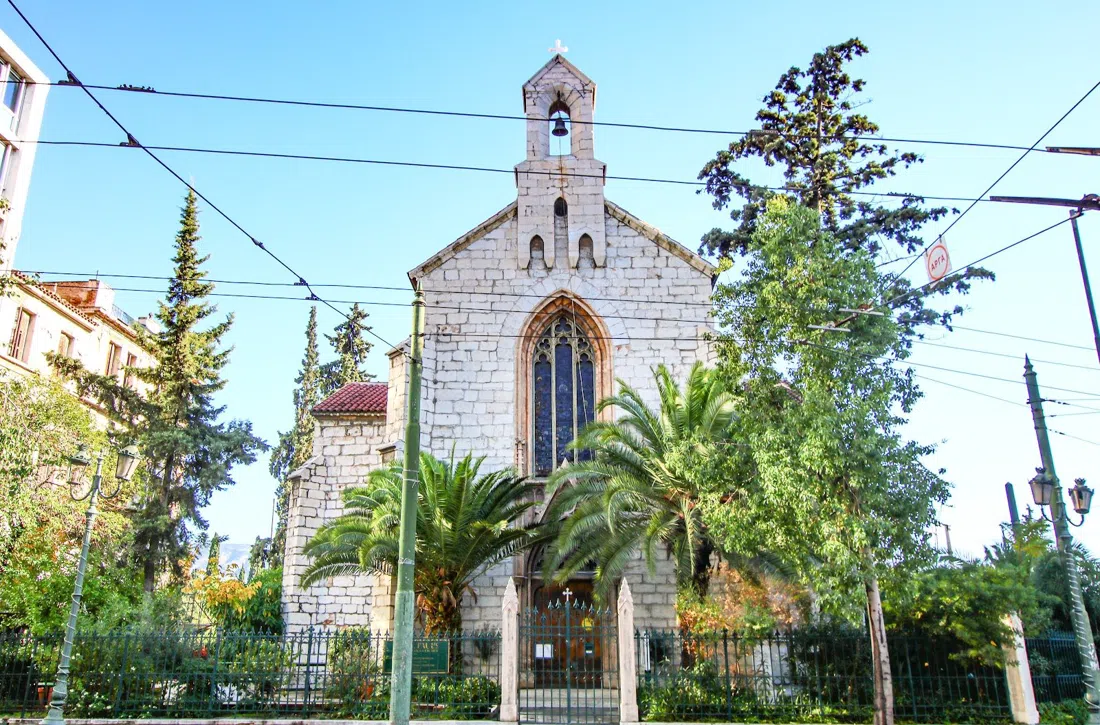
Ein kurzer Spaziergang entfernt, nahe Syntagma an der Filellinon-Straße, befindet sich die St. Paul's Anglican Church, Athen – Athens älteste ausländische Kirche und ein seltener lebendiger, nicht archäologischer Faden zurück zum Mann selbst. Sie hält weiterhin englischsprachige Gottesdienste ab und ist Dienstag bis Samstag von 10 bis 14 Uhr sowie für den Sonntagsgottesdienst um 10 Uhr geöffnet. Kleine Gruppen sind während der Öffnungszeiten willkommen, sich still dazuzusetzen; größere Gruppen sollten die Kirche im Voraus kontaktieren, um keinen Gottesdienst zu stören. Der Eintritt ist kostenlos, und für Leser, die einen Moment der Stille statt einer weiteren Ruine wünschen, ist dies wohl der emotional unmittelbarste Halt der gesamten Reiseroute.
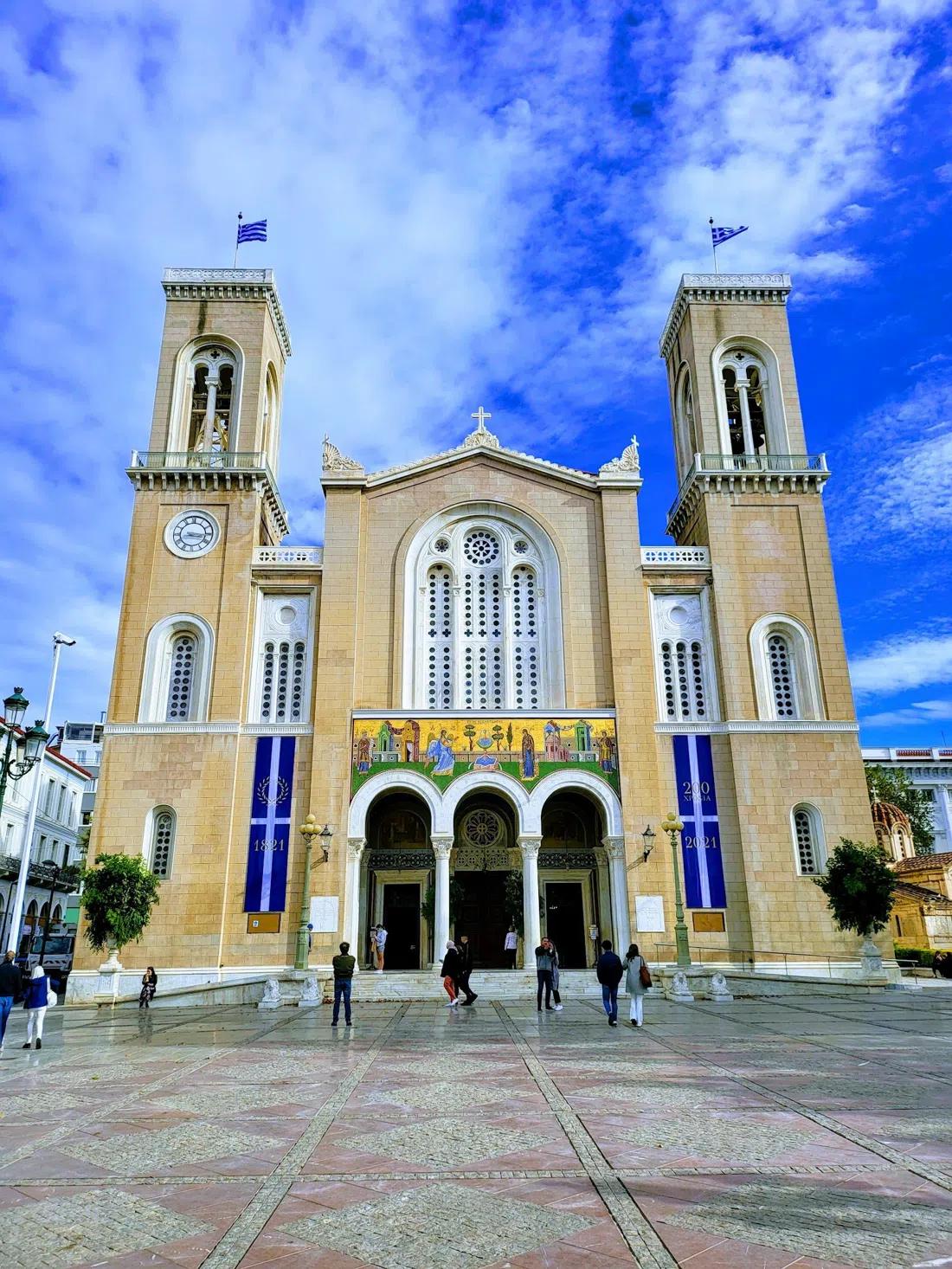
Runden Sie diesen Abschnitt an der Metropolitankathedrale von Athen (Mitropoli) ab, am Mitropoleos-Platz, wo Plaka auf Monastiraki trifft. Dies ist der Sitz der Kirche von Griechenland und ein nützlicher Anker für die größere Botschaft: eine Predigt auf einem kahlen Hügel, und Jahrhunderte später prägt die orthodoxe Christenheit die gesamte Stadt um Sie herum. Der Eintritt ist frei ohne Buchung, und Gruppen werden problemlos aufgenommen – halten Sie sich einfach im hinteren Bereich, wenn ein Gottesdienst läuft. Das kleine Krypta-Museum darunter kostet 3 €, wenn Sie die zusätzlichen zehn Minuten investieren möchten.
Die Götzen verständlich machen: Zwei Museen
Wenn die Außenanlagen Ihnen die Geografie von Paulus' Athen liefern, geben Ihnen zwei Museen die Objekte – und sie sind den Umweg genau deshalb wert, weil sie die abstrakte Beschreibung in der Apostelgeschichte konkret statt rhetorisch machen.
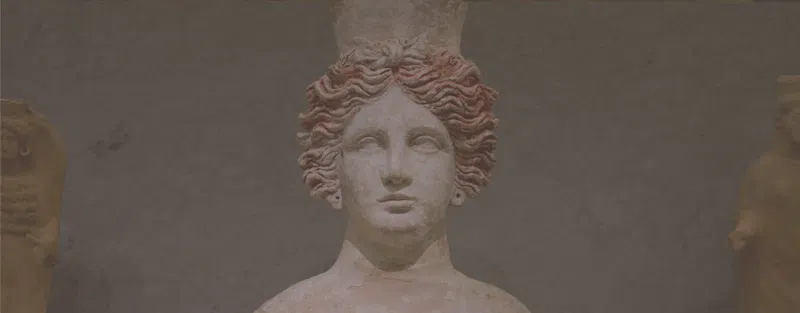
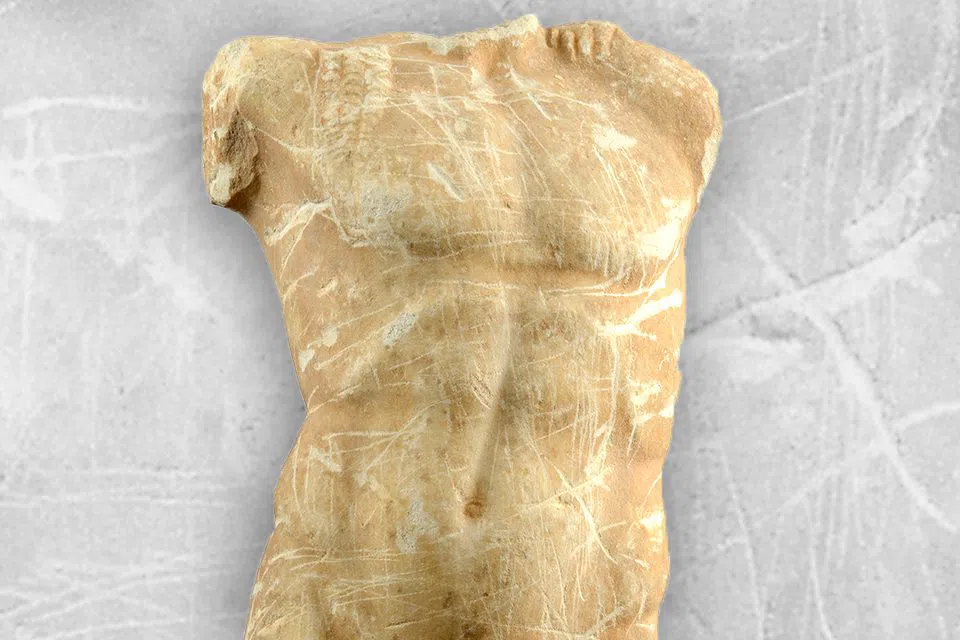
Das Nationale Archäologische Museum an der Patission-Straße im Viertel Exarcheia beherbergt die größte Sammlung des Landes an Statuen, Votivgaben und Tempelskulpturen – genau jenen Dingen, die Paulus auf jeder Straße umgeben hätten. Die Dichte und Handwerkskunst dessen, was er als „Götzenbilder“ bezeichnete, lässt seine Frustration in neuem Licht erscheinen: Es war keine Ablehnung primitiven Aberglaubens, sondern eine Reaktion auf eine der raffiniertesten religiösen Kulturen der antiken Welt. Das Museum ist auf Reisegruppen ausgelegt, allerdings lohnt sich in der Hochsaison die vorab gebuchte Teilnahme an einer Führung. Die Eintrittskarten kosten im Sommer etwa 12 €, im Winter 6 €; an den regelmäßigen staatlichen Tagen mit freiem Eintritt ist der Besuch kostenlos.
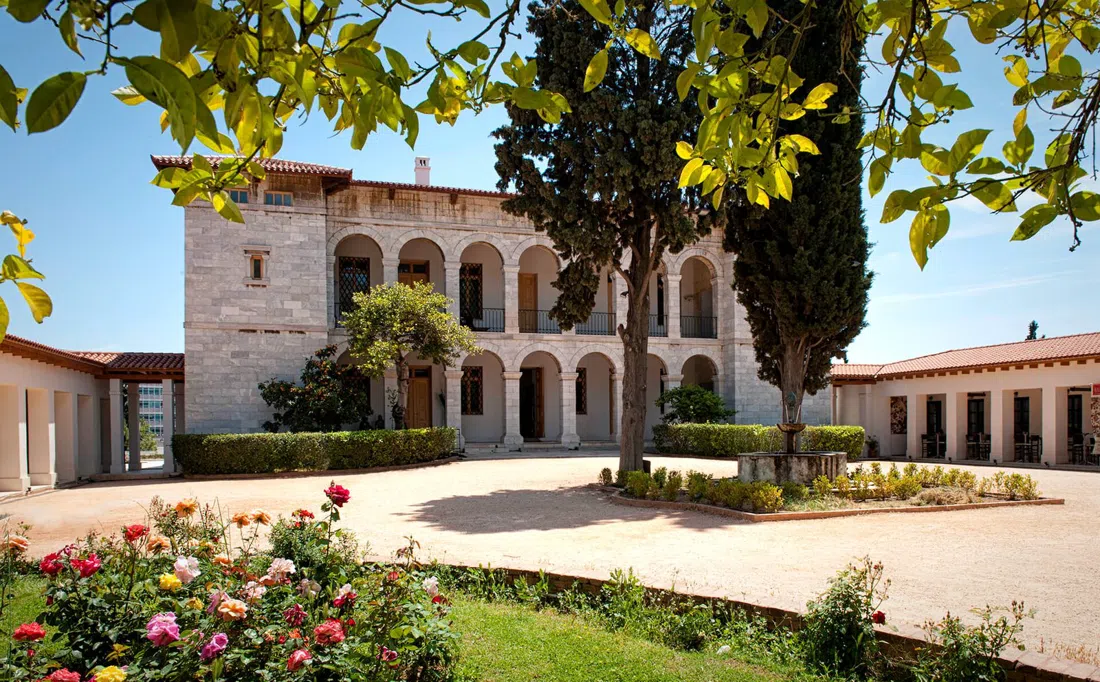
Das Byzantinische und Christliche Museum an der Vasilissis-Sofias-Allee in Kolonaki bildet das Gegenstück: die frühesten physischen Zeugnisse der christlichen Gemeinde, die Paulus’ Besuch mitbegründet hat, präsentiert in einer wunderschön restaurierten Villa aus dem 19. Jahrhundert mit durchgängig stufenfreiem Zugang. Mit Voranmeldung ist es gruppenfreundlich für Führungen; bei etwa 8 € im Sommer und 4 € im Winter (an staatlichen Freitagen ebenfalls kostenlos) ist es eine einfache Ergänzung, wenn Ihre Gruppe eher die museale Seite der Geschichte erleben möchte als nur Ruinen.
Ein fünfminütiger byzantinischer Umweg
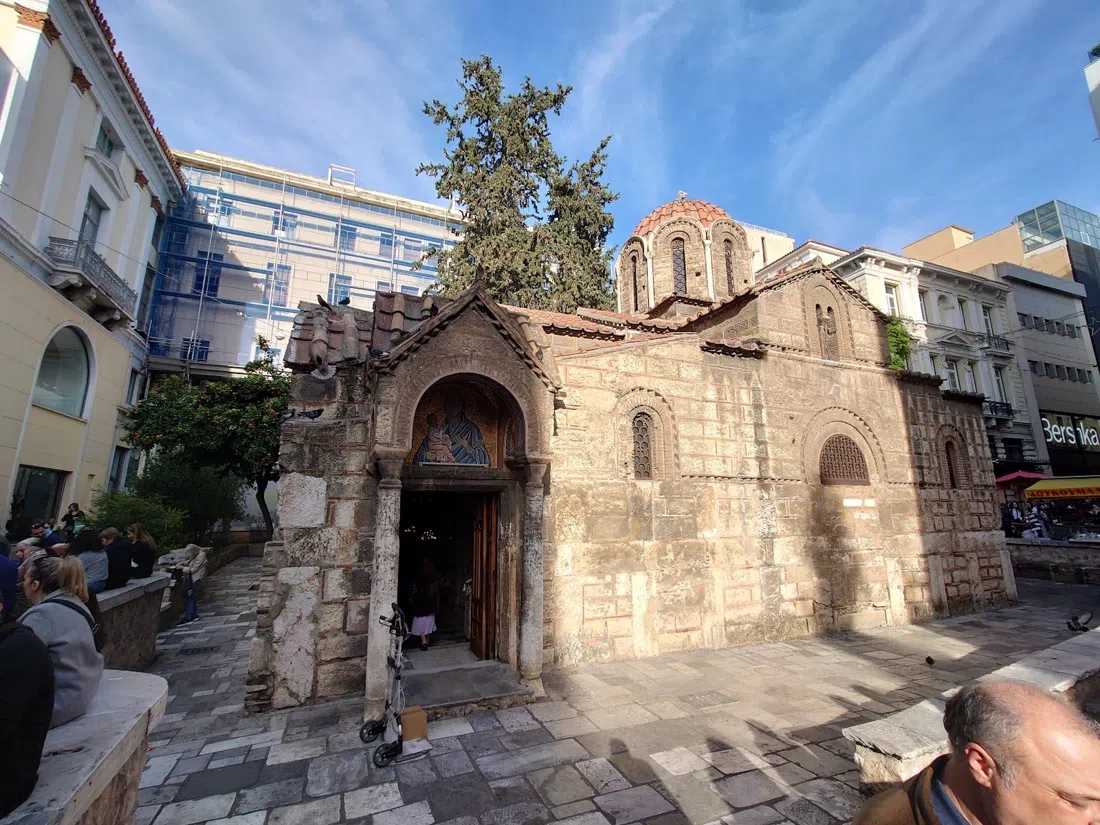
Zwischen der Agora und dem Syntagma-Platz liegt an der Ermou-Straße, wo die Haupteinkaufsmeile der Stadt verläuft, die Panagia Kapnikarea – eine kleine byzantinische Kirche, um die Athen einfach herumgewachsen ist, anstatt sie zu verlegen. Sie ist täglich von 11 bis 21 Uhr geöffnet (sonntags findet der Gottesdienst von 7 bis 10 Uhr statt), der Eintritt ist frei, eine Tickets müssen nicht gelöst werden, und kleine Gruppen können sich mühelos zwischen den Einkaufswellen hineindrängen. Es handelt sich hierbei nicht um eine Paulus-Stätte im direkten Sinne, aber sie verdient ihren Platz auf dieser Route als anschauliches Beispiel dafür, wie sich dasselbe Thema über Jahrhunderte entfaltete: Die byzantinischen Christen haben die klassischen Straßen, die Paulus einst begehrte, buchstäblich überschrieben. Fünf Minuten genügen; betrachten Sie sie als Satzzeichen auf dem Weg zwischen der Kathedrale und der Agora, nicht als eigenes Ziel.
Weiter südlich nach Korinth: Wo Paulus tatsächlich lebte
Athen bekam die berühmte Predigt, aber Korinth die längere Geschichte. Paulus reiste nicht nur durch – er lebte und arbeitete dort laut Apostelgeschichte 18 achtzehn Monate lang, länger als fast überall sonst auf seinen Reisen. Es ist etwa 90 Autominuten südwestlich vom Zentrum Athens entfernt und daher ein realistischer Tagesausflug.
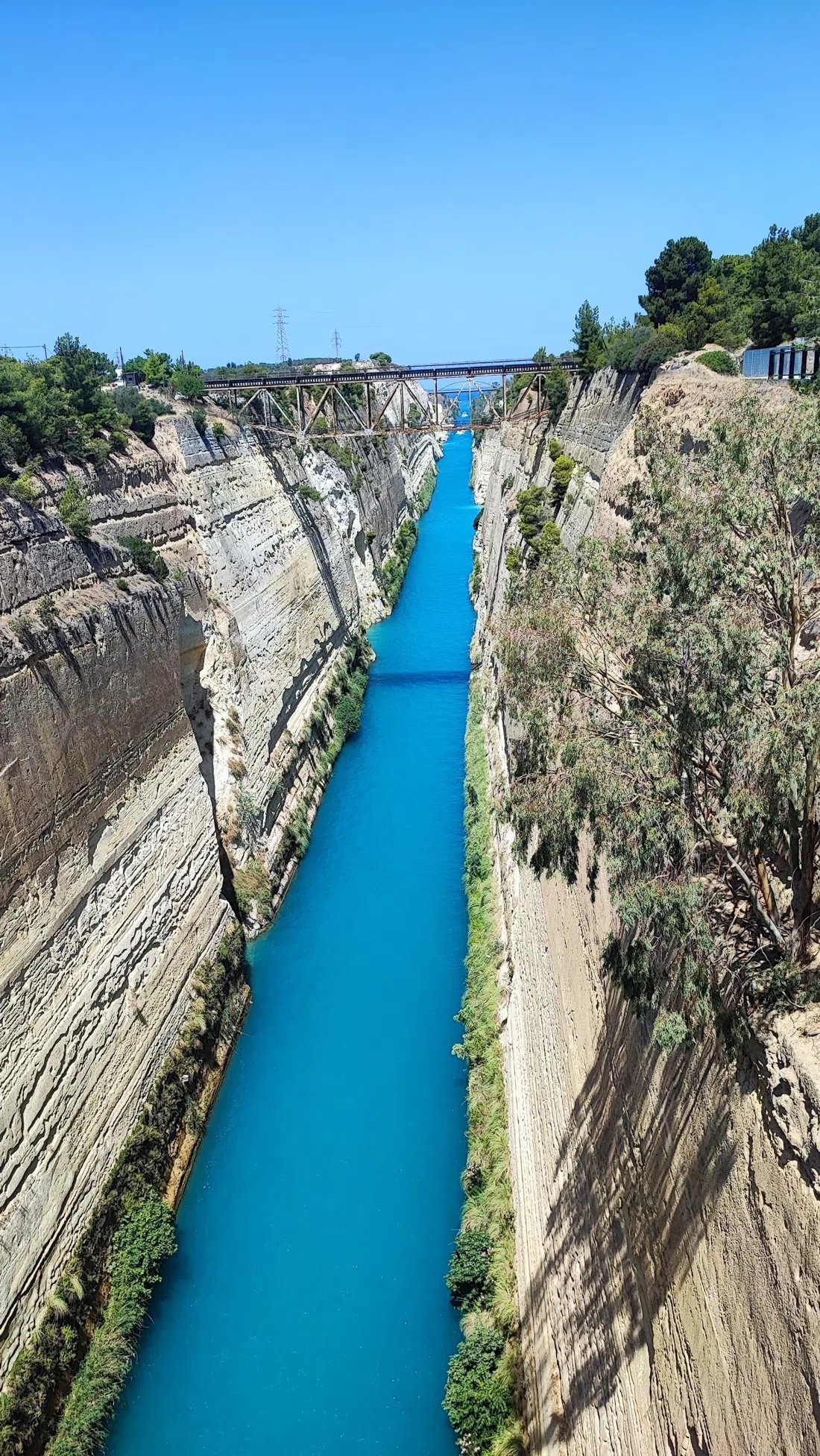
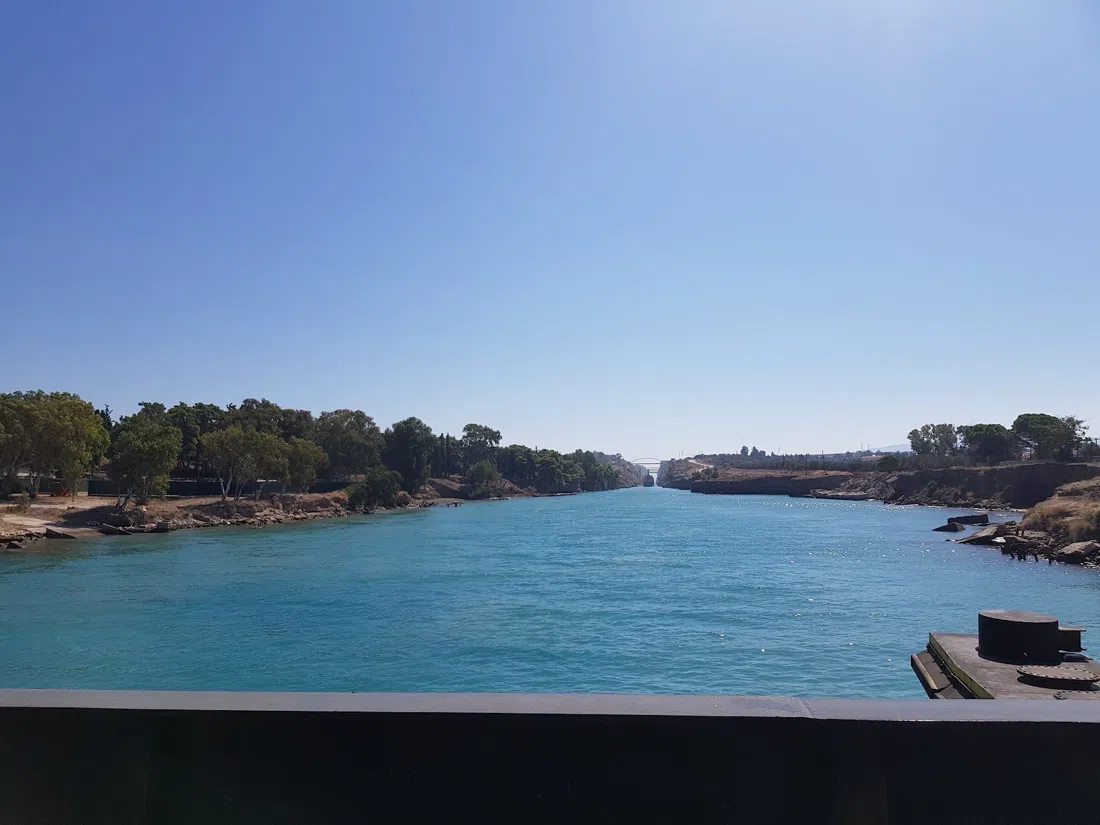
Die Anreise sollte man bewusst einplanen, statt sie zu hetzen. Der Korinthkanal, der bei Isthmia durch massives Gestein geschnitten wurde, ist ein kostenloser öffentlicher Aussichtspunkt mit bequemer Bushaltestelle, Brücke und Aussichtsplattformen, die für Gruppen jeder Größe geeignet sind. Es handelt sich nicht um einen biblischen Ort, sondern um den geografischen Grund, warum Korinth das wohlhabende Handelskreuz war, das Paulus bewusst ansteuerte und nicht nur zufällig passierte. Er bietet dramatische Fotomotive und das Anschauen ist kostenlos; Bungeespringen und Bootstouren sind Extras für alle, die mehr wollen als nur die Aussicht.
Nahe dem westlichen Ende des Kanals befindet sich der Diolkos – ein Stück antiker Steinbahn, auf der einst Schiffe regelrecht über die Landenge gezogen wurden. Es ist eine kostenlose, im Freien gelegene, unbemannte Stätte, für die nur ein kurzer Halt nötig ist. Für kleinere Gruppen mit Zeitüberschuss ist es eine Nischenergänzung, die aber physisch erklärt, warum Korinth zu Paulus’ Zeiten den Handel auf beiden Meeren beherrschte.
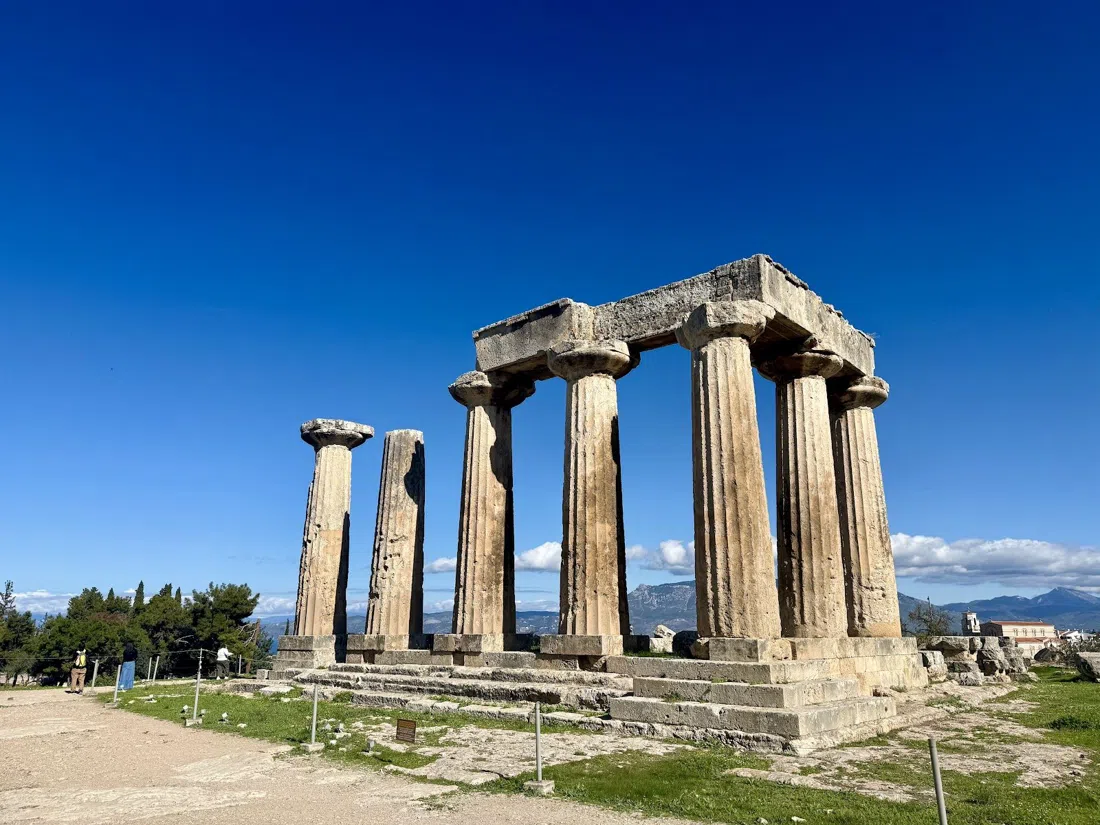
Das Hauptereignis ist die Archäologische Stätte des antiken Korinth & Museum selbst, eine gut organisierte staatliche Anlage mit eigenem Busparkplatz, die für Gruppenbesuche gebaut wurde. Hier wurde Paulus vor den römischen Prokonsul Gallio am Bema gebracht – der erhöhten Rednertribüne, die dort noch sichtbar ist – und macht sie zum unabdingbaren Höhepunkt der Korinth-Etappe. Wie bei den Athener Stätten ist ein lizenzierter Guide erforderlich, um einer Gruppe vor Ort Erläuterungen zu geben. Die Tickets kosten etwa 8 € im Sommer, 4 € im Winter und sind an staatlichen Tagen mit freiem Eintritt kostenlos.
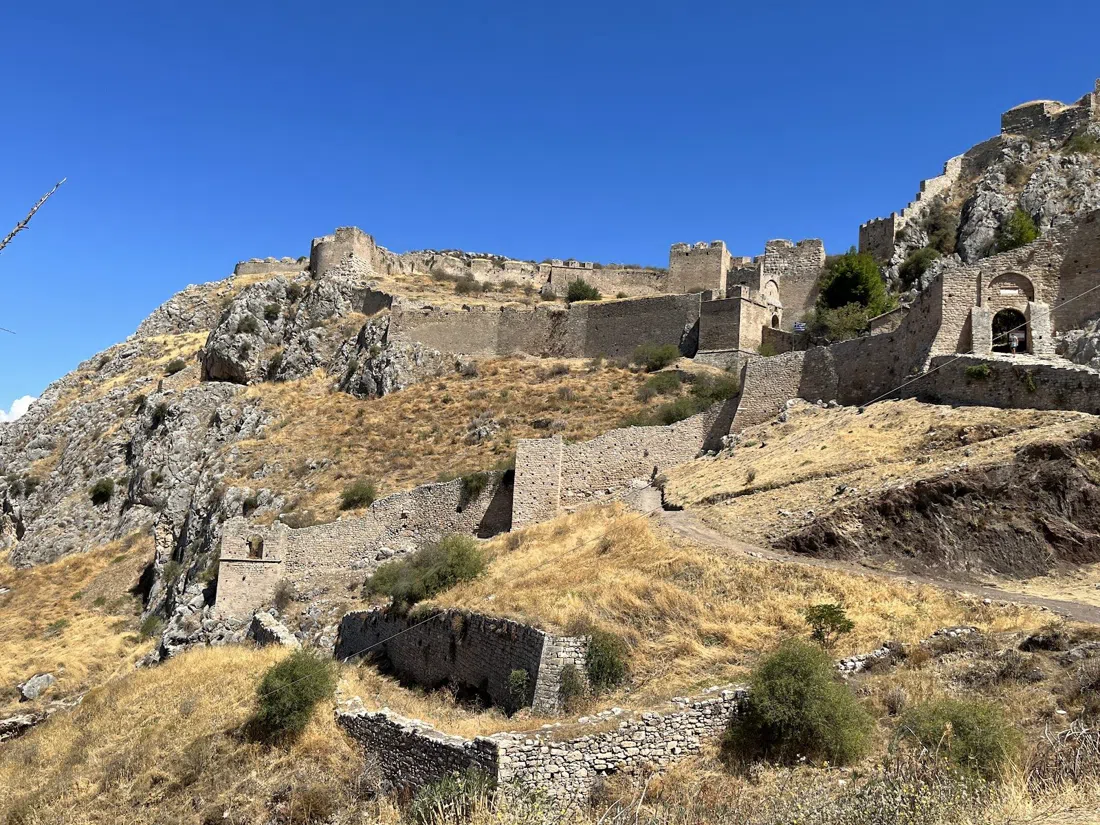
Für Gruppen mit Zeit und einigermaßen guter Kondition ist Akrokorinth – der befestigte Hügelgipfel über der antiken Stadt – die Mühe des Aufstiegs wert. Der Eintritt ist frei, Führungen gibt es nicht, aber der Weg ist anspruchsvoll: Planen Sie zweieinhalb bis drei Stunden für den bergauf führenden Weg über unebenes Gelände ein; für alle mit Mobilitätseinschränkungen ist er keine sinnvolle Ergänzung. Die Belohnung ist die Aussicht, die Paulus selbst jeden Tag gehabt hätte, als er unten predigte – die Festung beherrscht die Skyline so wie die Akropolis Athen.
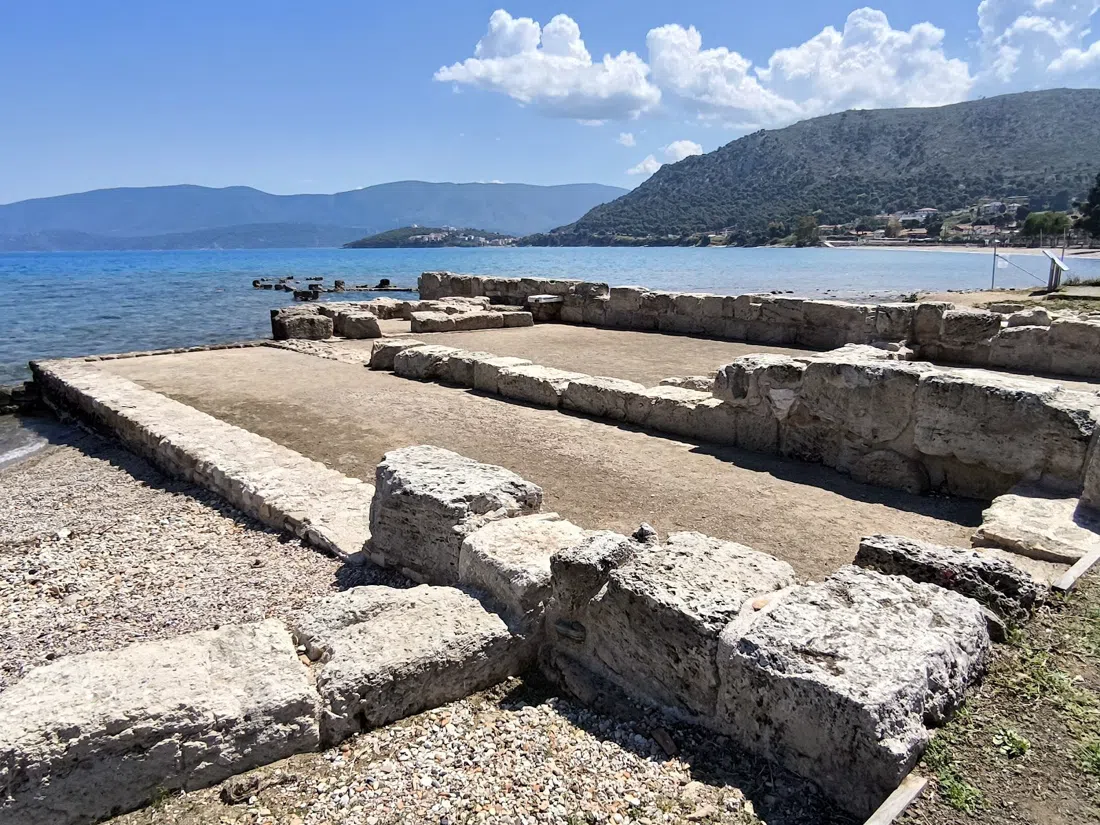
Weniger Besucher schaffen es bis nach Kenchreä (Kechries) – Antiker Osthafen von Korinth an der Saronischen Küste südöstlich der Hauptanlage. Der Zugang ist frei, die Stätte offen und unbemannt – es gibt keine Einrichtungen, keine Buszufahrt, besser geeignet für eine kleine Gruppe, die bereit ist, einen stillen Umweg zu machen. Hier ließ Paulus sich aufgrund eines Gelübdes die Haare scheren, bevor er nach Ephesus segelte (Apostelgeschichte 18,18), und hier lebte auch Phöbe, die Diakonin, die Paulus in Römer 16 namentlich lobt. Es ist der am wenigsten besuchte Halt auf dieser Route und, für Leser, die mehr als die viel begangenen Stätten suchen, der textlich reichste.
Wenn Sie lieber einen Führer sprechen lassen
Da nach griechischem Recht innerhalb der staatlichen Stätten für jede Gruppenkommentierung ein lizenzierter Guide erforderlich ist, ziehen Leser, die eine kirchliche Gruppe oder eine größere Reisegesellschaft organisieren, es vielleicht vor, die Logistik einem Spezialisten zu überlassen. Inspired Voyager – Footsteps-of-Paul-Tour (Athen & Korinth) wurde speziell für Kirchen- und Pilgergruppen jeder Größe konzipiert, bietet neben der regulären Tagestour auch private und Kleingruppenoptionen und ist Griechenlands am längsten etablierter christlicher Reiseveranstalter – ein Plus, wenn die Reiseroute von einem Führer abhängt, der die an jeder Station vorgelesenen Texte versteht. Eine Tagestour ab Athen kostet je nach Gruppengröße etwa 90–150 € pro Person, private Optionen sind teurer. Es ist die vernünftige Wahl für Leser, die die Erzählung von jemandem hören möchten, der diese Strecke schon hunderte Male gegangen ist, statt sich mit Handy und Bibel-App selbst durchzuschlagen.
Praktische Hinweise: Verkehr, Bargeld, Zeitplan, Budget
Innerhalb Athens ist alles für die Cluster Agora–Areopag–Akropolis–Plaka zu Fuß erreichbar; zwischen den einzelnen Punkten liegen nie mehr als 15 Gehminuten. Die Kathedrale, die Panagia Kapnikarea und die anglikanische St.-Pauls-Kirche bilden eine natürliche Schleife zwischen Syntagma und Monastiraki, die sich ohne Zwischenstopps in weniger als einer Stunde zu Fuß bewältigen lässt. Die beiden Museen liegen etwas weiter außerhalb und sind besser mit der U-Bahn oder dem Taxi zu erreichen als zu Fuß.
Nach Korinth gelangen Sie nur mit dem Auto, Taxi, Bus oder einer organisierten Tour – es gibt keine direkte, bequeme öffentliche Verbindung, die einen Tagestrip mit einer ganzen Gruppe sinnvoll erscheinen lässt, was ein praktisches Argument dafür ist, entweder für den Tag ein Auto zu mieten oder eine Buchung bei einem Veranstalter wie Inspired Voyager vorzunehmen, der Fahren und lizenzierte Führung in einer Buchung zusammenfasst.
Bargeld und Karten: Die staatlichen archäologischen Stätten und Museen Griechenlands akzeptieren inzwischen problemlos Karten, aber für das Krypta-Museum in der Kathedrale und kleinere Einkäufe an Kirchenbücherständen, die manchmal nur Bargeld nehmen, sollten Sie etwas Bargeld dabeihaben.
Timing: Der Areopag und die Agora belohnen einen frühen Start – vor 9 Uhr im Sommer vermeiden Sie sowohl die Hitze als auch die Kreuzfahrtschiffmassen, die sich ab dem Vormittag an der Akropolis drängen. Wenn Sie zwischen Sonnenaufgang und Sonnenuntergang für die Lesung auf dem Areopag wählen, hat der Sonnenuntergang für die Gruppenlogistik meist die Nase vorn, da man sich nicht vor Sonnenaufgang versammeln muss; der Sonnenaufgang bietet jedoch deutlich besseres Licht für Fotos und einen wirklich leeren Hügel.
Budget: Ein einzelner Reisender, der die gesamte Athen-Etappe – Agora, Akropolis, ein Museum und die kostenlosen Kirchen – macht, gibt im Sommer etwa 40–50 € nur für Eintrittskarten aus, außerhalb der Saison die Hälfte. Dazu der selbst organisierte Tagesausflug nach Korinth (Benzin, Parken und Eintrittskarten) mit weiteren 30–40 € pro Person oder pauschal 90–150 € bei einer Führung. Wenn Sie während dieser Route eine Unterkunft benötigen, beginnen Sie mit einer Hotelsuche für Athen und wählen Sie eine Basis in oder nahe Plaka oder Monastiraki – das bringt Agora, Areopag und Akropolis in Gehweite und reduziert den Taxibedarf auf den Tagesausflug nach Korinth. Für die allgemeineren Fragen eines längeren Aufenthalts finden Sie im Athen-Reiseführer alles Weitere zur Stadt jenseits dieser Route.