The Saronic Gulf begins where the city runs out of pavement. From the quays at Piraeus — the port at the end of the metro line, twenty-odd minutes from the centre of Athens — you can be aboard a ferry before most cafés have finished their first grind of beans, and stepping onto an island by mid-morning. This is the rare Greek island-hop that asks for no overnight bag: choose your boat, learn your timings, and the whole gulf opens up as a single day out.
For everything you will want back on the mainland — where to sleep, eat and start the morning — keep the Athens guide to hand. What follows is the water part.
Starting at the port
Piraeus is not one harbour but several, wrapped around a headland. The big passenger ferries and fast boats leave from the main port, a five-minute walk from the Line 1 (green) metro terminus; the smaller catamaran and private departures tend to go from Marina Zeas, a ten-minute taxi or a twenty-five-minute walk around the coast to the east. Knowing which quay you need before you set out saves the most common Piraeus mistake — arriving at the right port for the wrong boat with ten minutes to spare.
There are, broadly, two ways to spend the day. You can hand it to an operator and let someone else worry about the schedule, or you can buy a ferry ticket and run your own itinerary. Neither is better; they suit different groups, and the honest differences are worth spelling out.
Hand the day to a boat: the organised cruises
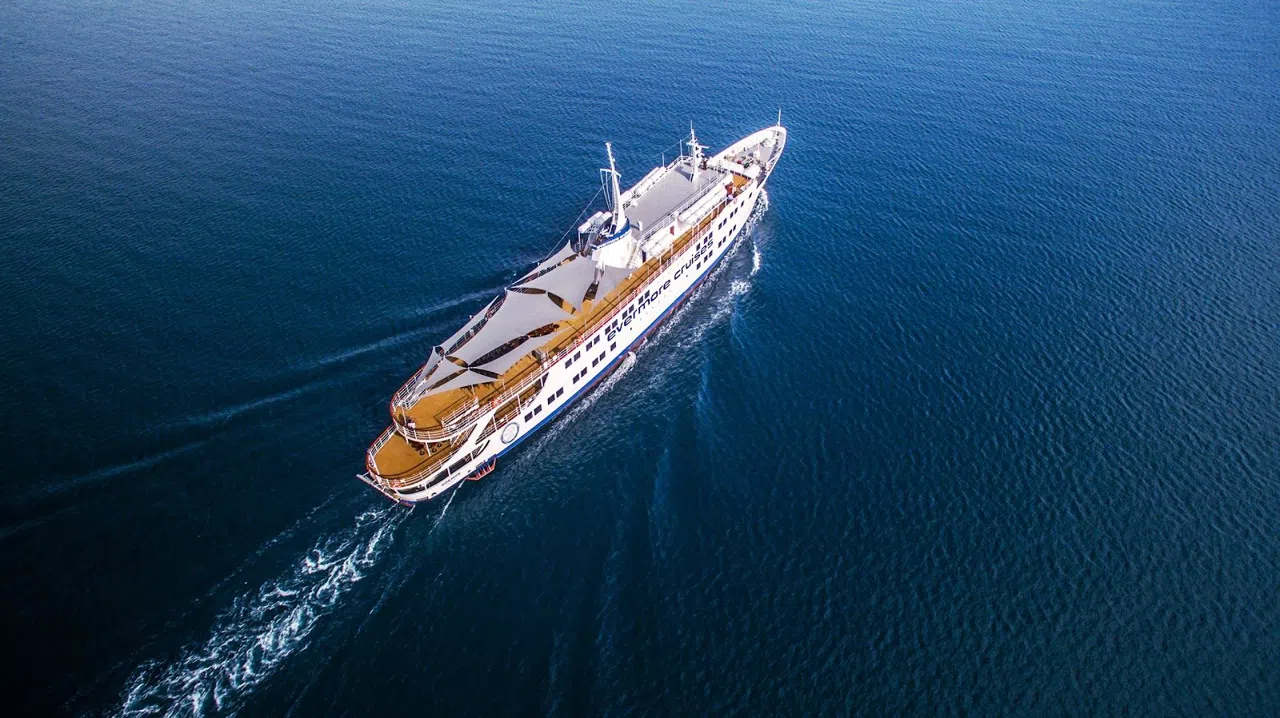
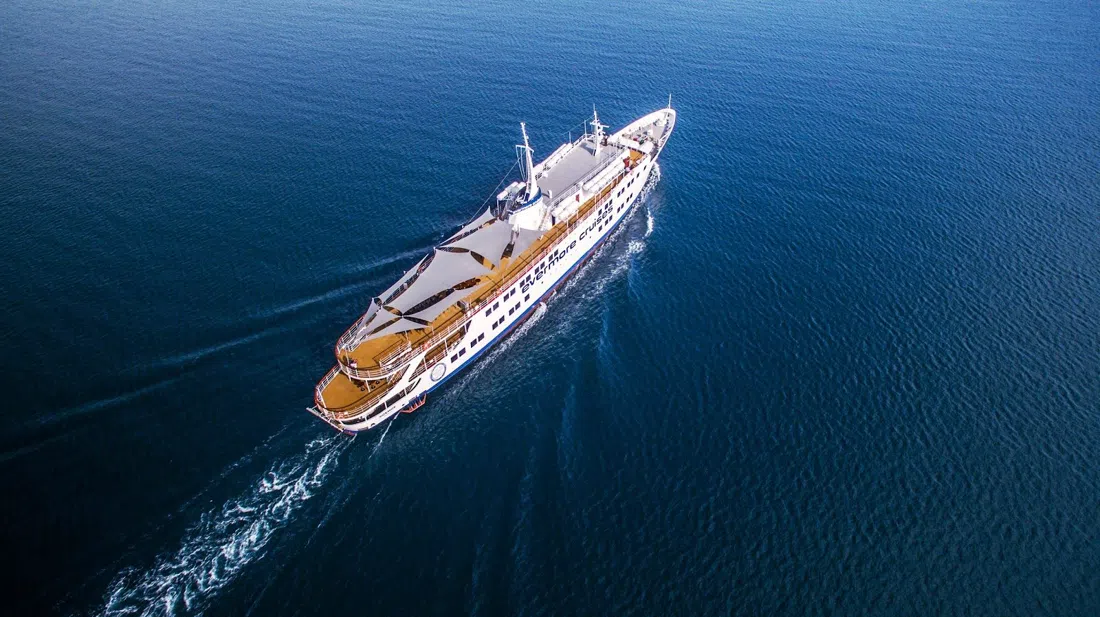
The oldest formula in the gulf is the three-island run, and Evermore Cruises (departing the main port at Piraeus) still does it in the traditional way: Hydra, Poros and Aegina in a single loop, with a three-course sit-down lunch, live music and a folk show on board. It runs as a consortium with the old Hydraiki company, which means it can absorb coach parties and large bookings without blinking — this is the option built for groups. Reckon on €110–135 per person with lunch and entertainment included. Be clear-eyed about the shape of it, though: this is an eleven- to twelve-hour day, and you get roughly ninety minutes ashore on each island. That is enough to walk a harbour and buy a coffee, not to climb to a temple. If your aim is to see three islands without touching a timetable, it delivers exactly that and no more.
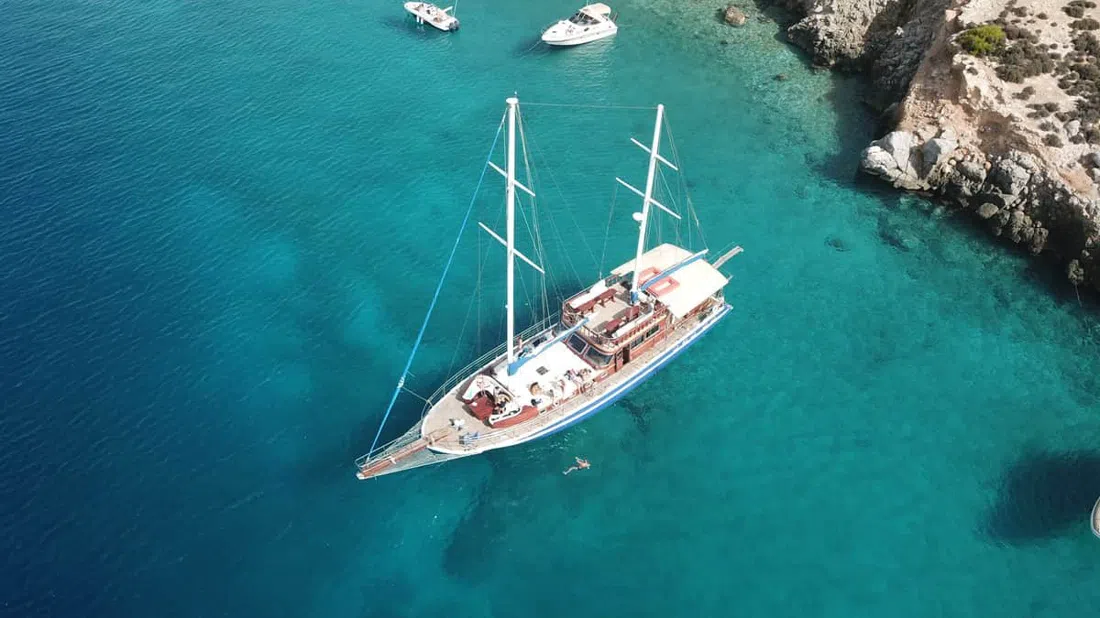
The swim-first alternative leaves from Marina Zeas. All Day Cruise (from the Marina Zeas quay) runs a sailing catamaran out to Agistri, the islet of Metopi and Aegina, taking groups of up to around forty-nine guests, with a buffet lunch cooked on board and an open bar of wine, beer and soft drinks. At €120–160 per person it is priced a shade above the big cruise ship, and the trade is deliberate: instead of shore time you get long anchored stops in the coves off Agistri and Moni, where the day is about the water rather than the sights. For a group that wants to swim, eat and lie in the sun, it is the better call; for anyone hoping to walk around a town and see a monastery, it is the wrong boat.
Aegina: the all-rounder
If you would rather run your own day, start with the closest proper island. Aegina (a straight run south from Piraeus) is the easiest of all to reach — ferries leave every thirty to sixty minutes and the crossing takes forty to seventy-five minutes depending on whether you take the slow boat or the fast one, with a return fare of roughly €15–30. Walk-ups are genuinely fine here: the harbour tavernas and the horse-carriage drivers are used to people arriving on spec, which makes it forgiving for a loose group that has not booked anything.
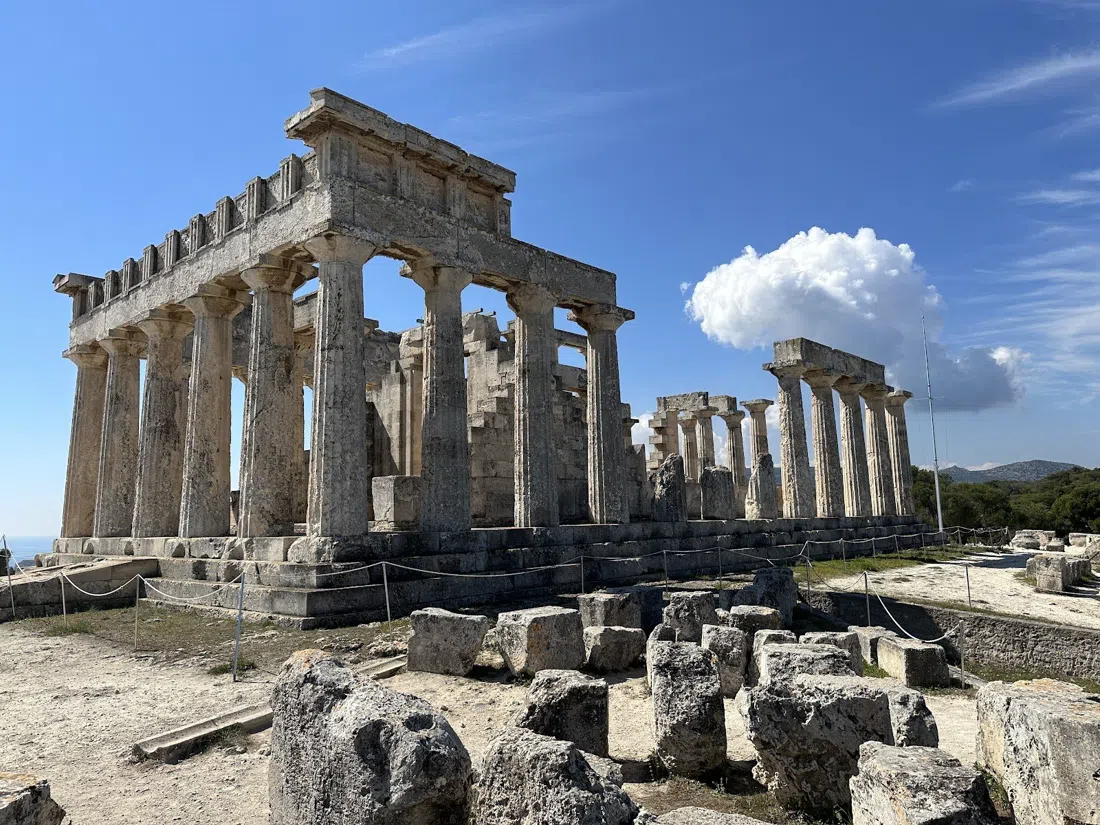
Aegina rewards a little effort inland. The Temple of Aphaia (on the island's eastern ridge, about twenty minutes by bus or taxi from the town) is better preserved than most ruins on the mainland, and it forms one corner of a so-called sacred triangle with the Parthenon and the temple at Sounion — a neat piece of geometry you can see for yourself on a clear day. It opens daily, in summer from 08:30 to 19:30; entry is €6 for adults and free for under-18s, and there is a small museum and an easy walking path on site. Coach and guided groups are welcomed, so it rarely feels off-limits.
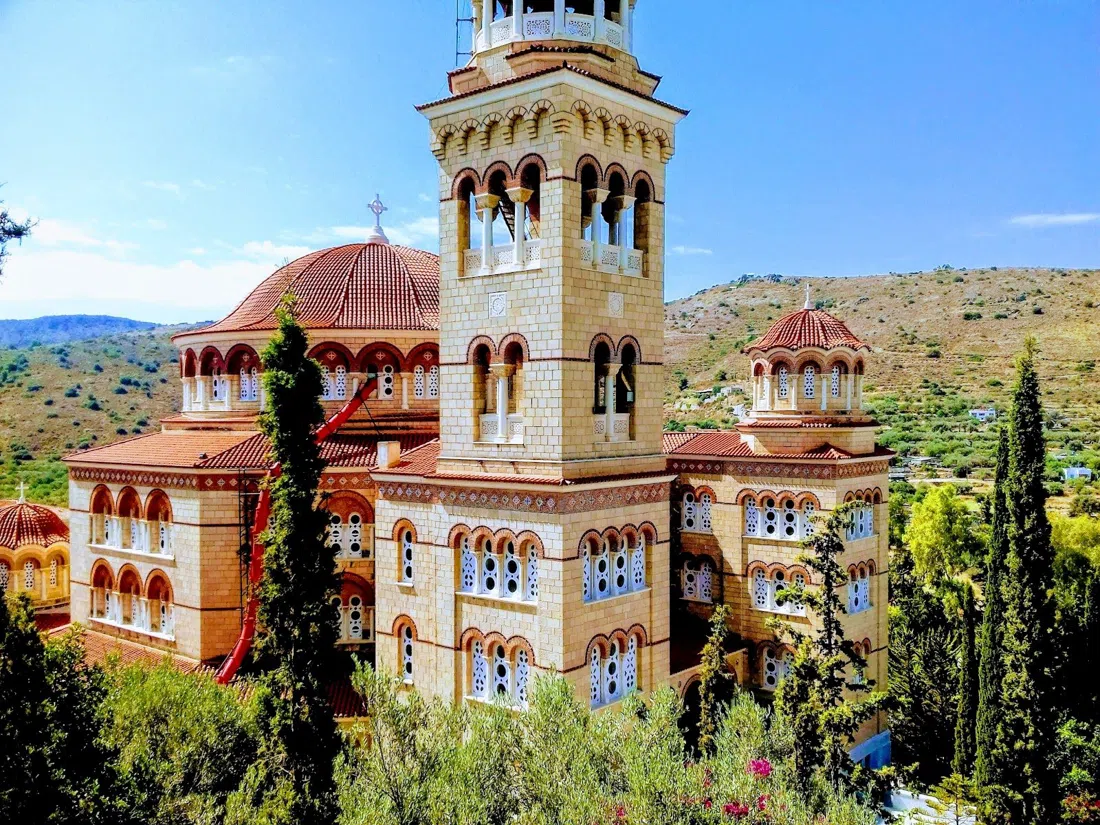
On the same road, a few minutes back towards town, stands the Monastery of Agios Nektarios (below the temple hill), one of the largest modern pilgrimage sites in Greece. Entry is free, donations aside, and it is open daily — but it is an active place of worship rather than a photo stop, and a modest-dress code applies: shoulders and knees covered, for everyone. Pairing the temple and the monastery on one short bus route is the single most efficient dose of culture the island offers.
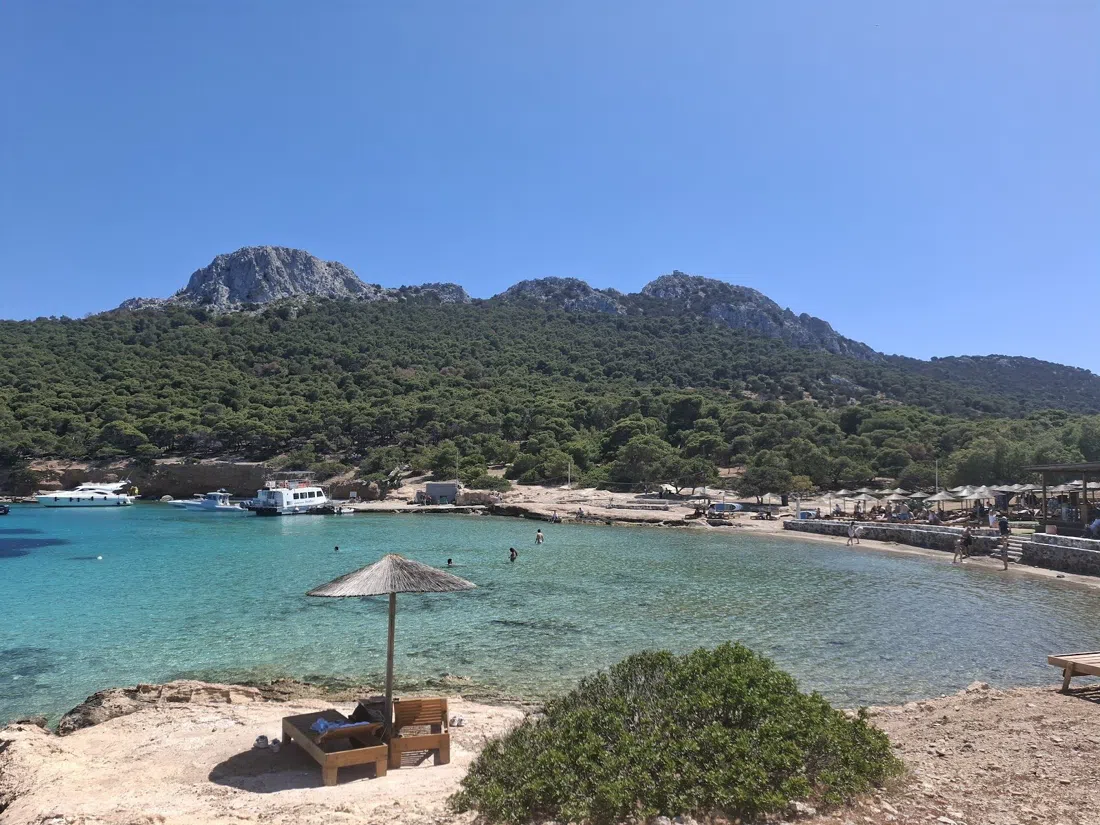
For the afternoon, drop south to the fishing village of Perdika and cross to Moni Islet (a few hundred metres offshore, off Perdika). Twenty-seat boats shuttle across roughly every thirty minutes; budget around €5 for the return crossing and another €5 or so for a sunbed. The islet is a protected nature reserve where deer and peacocks wander down to the beach bar, which makes it the most photogenic and most family-pleasing swim stop in the whole gulf. There are no showers and the shade is limited, so carry water. Aegina is also where Greece's most prized pistachios come from; the harbour stalls sell them by the bag, and they are the honest souvenir to leave with.
Hydra: stone, sea and no cars
Hydra (ninety minutes south by fast ferry from Piraeus) is the most distinctive day of the lot, and the one that asks the most of your legs. Several operators run the route — Hellenic Seaways, Blue Star, Alpha Lines and Magic Sea among them — with a return fare of roughly €60–84. The island bans wheeled vehicles entirely: you get around on foot, by donkey or by water taxi, and the town rises straight from the harbour in tiers of grey stone that have drawn artists and the occasional jet-setter for decades. It is genuinely beautiful and genuinely steep. For a fit group it is a joy; for anyone with limited mobility, the cobbles and gradients are a real obstacle, and that is worth saying plainly before you book.
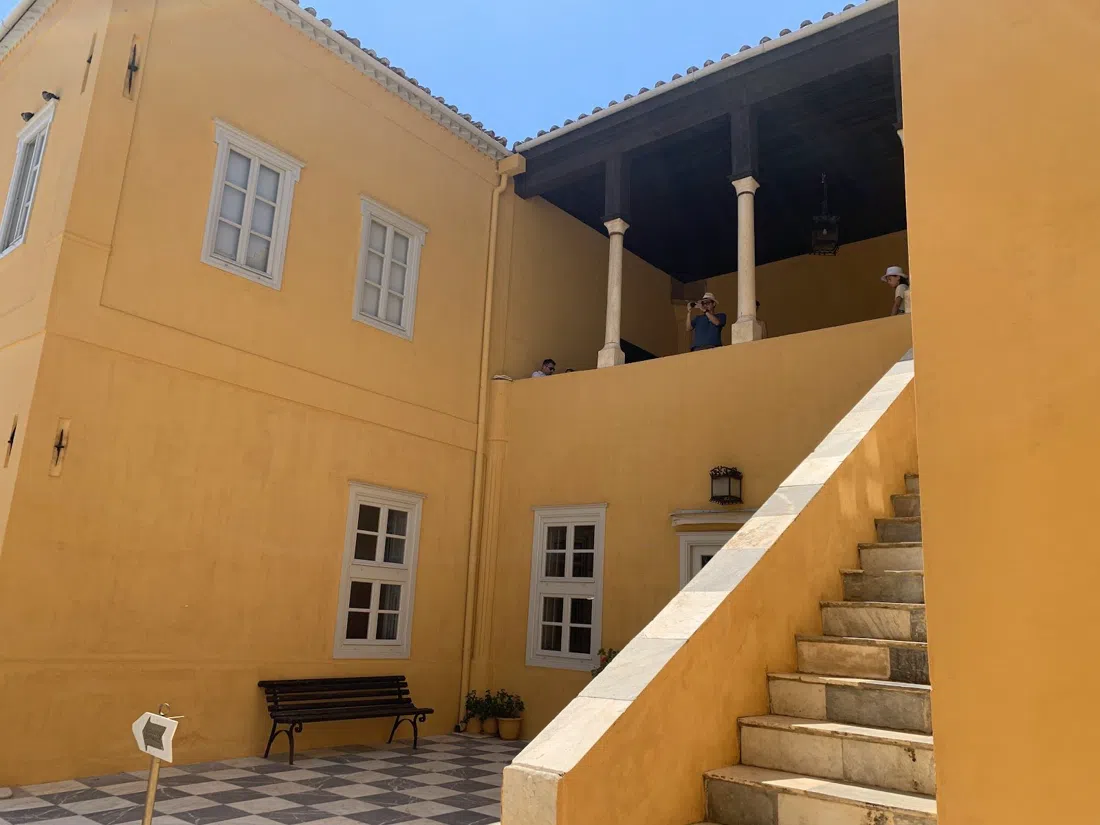
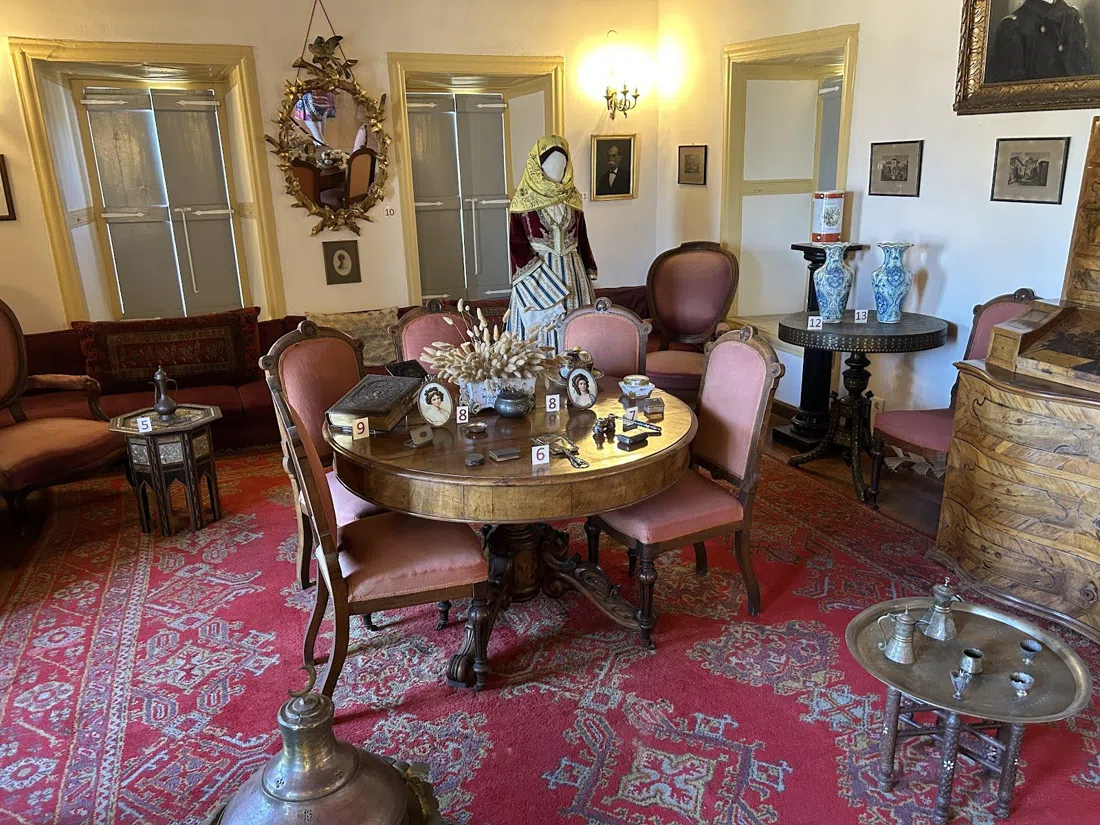
The indoor anchor for a Hydra day is the Lazaros Koundouriotis Historical Mansion (a short, stiff climb above the west side of the harbour), a branch of the National Historical Museum set in the restored home of a shipowning family who helped bankroll the Greek Revolution. Entry is around €4–5, it opens seasonally, and the terrace gives you the harbour view the island is famous for, with a story attached rather than just a backdrop. An hour here plus a slow lunch and a swim off the rocks is a complete day; Hydra does not need to be rushed, and the ferry timetable rewards those who do not try.
Poros and Agistri: the quiet pair
Two islands suit groups who want the sea without the effort. Poros (about an hour to an hour and a half from Piraeus, with six or more sailings a day) is the gentlest and greenest of the trio, separated from the mainland by a channel so narrow you feel you could almost swim it. The return fare runs roughly €20–40. It is relaxed rather than dramatic — a place for a slow lunch and a wander rather than a sight-ticking march — and it pairs naturally with the lemon groves on the mainland shore opposite for anyone who wants to add a short boat-hop.
Agistri (fifty-five minutes from Piraeus by fast boat or hydrofoil, several times daily) is the uncrowded neighbour to Aegina — turquoise water backed by pine, without the day-tripper crush. A return costs roughly €15–30. It is small and walkable, with bikes for rent and low-key beach bars that suit an informal group perfectly well; the point of the place is swimming and slowing down rather than sightseeing, and it is honest about that. If your group cannot agree between culture and a beach, send the culture faction to Aegina and the swimmers here — they are barely twenty minutes apart by local boat.
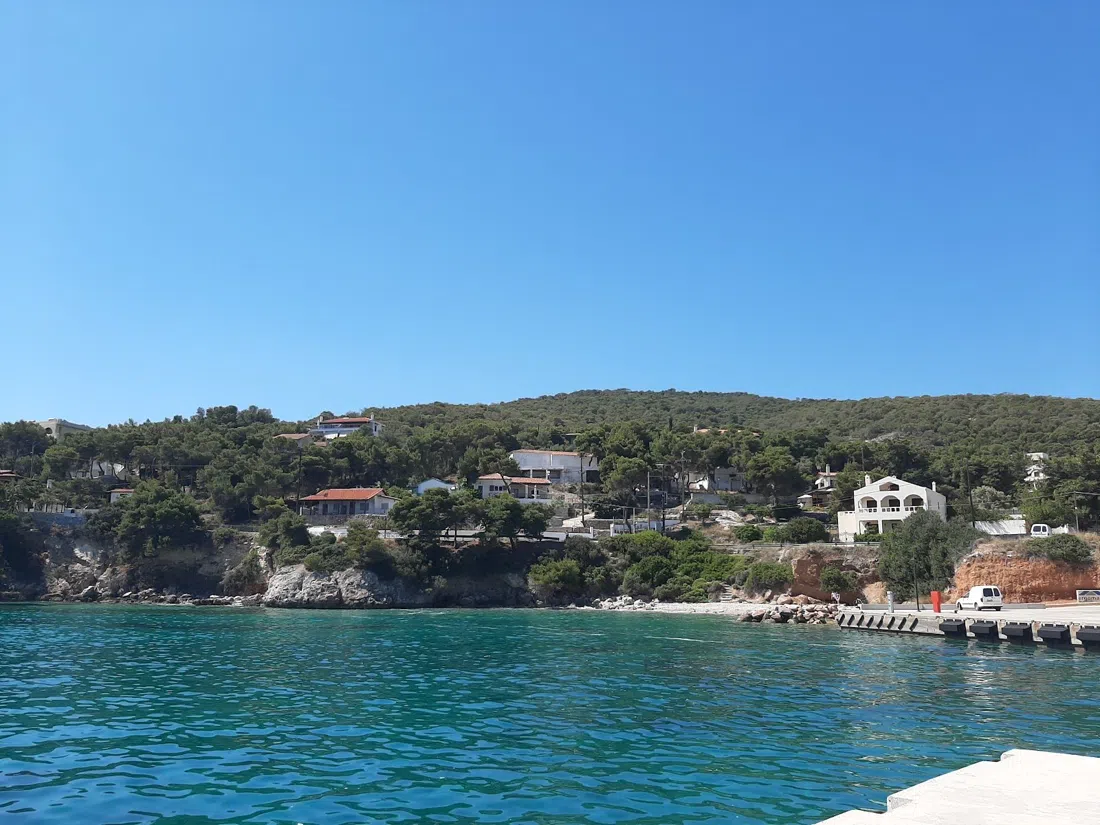
Spetses: elegant, but the long haul
Spetses (two to three hours from Piraeus, at the far south-west edge of the gulf) is the most elegant and most fashionable of the Saronic islands, and the hardest to fit into a day. There are seven sailings a day, but the distance means it works as a day trip only on the earliest boat out and the latest back — best kept for confident, early-rising groups who will not mind a long return in the dark. The hydrofoil fare is roughly €45–90. Like Hydra, it is largely car-free, so you explore by horse-carriage, bike or on foot.
The focal point for a short visit is the Bouboulina Museum (in a mansion just back from the old harbour), the home of Laskarina Bouboulina, the naval heroine of the Greek War of Independence, now run by her descendants. It is admissions-by-guided-tour only, with timed tours in several languages at around €6–7 — which, on an island where much of the pleasure is simply walking, gives a short visit a genuine reason to pause indoors.
Your own boat
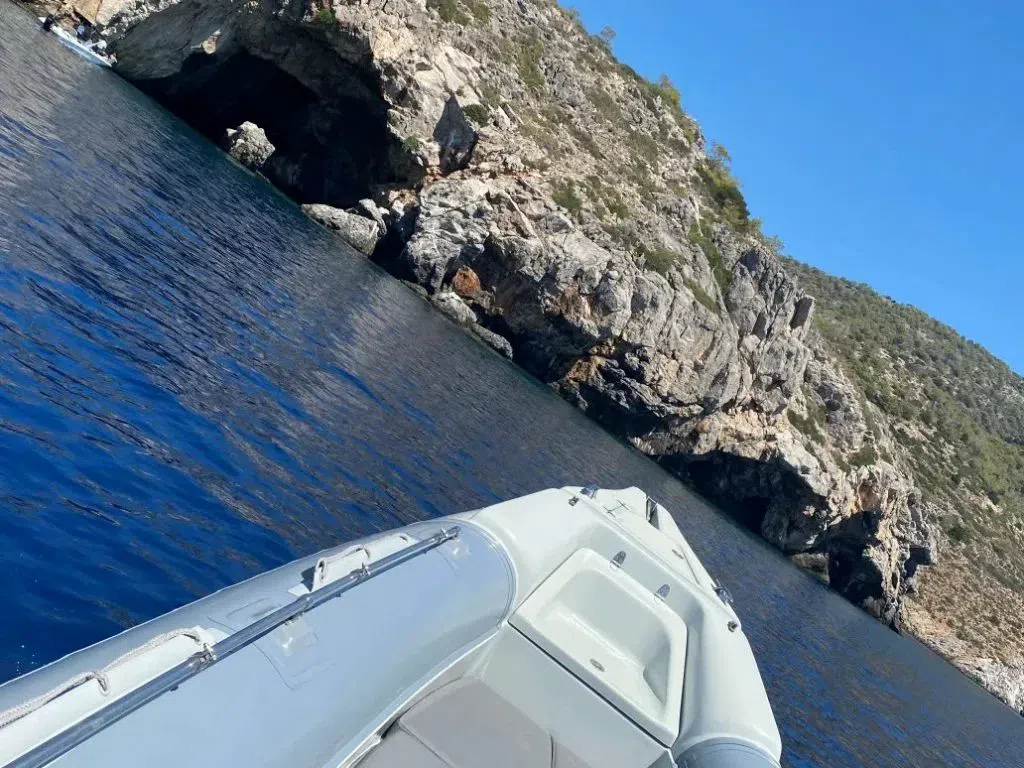
If the group is the right size and the budget is there, the most flexible option is to skip the schedules entirely. Saronic Angel (departing the Piraeus marinas) runs private RIB and yacht charters for small groups, typically five to twelve people, with a local skipper and a route you set yourself across Aegina, Poros, Hydra and Moni. Prices run from roughly €600 to €1,500 and up per boat, depending on size and duration — which only makes sense per head once the boat is full, but for a family or a group of friends who want their own swim stops and no crowds, it is the pick that turns a day trip into something closer to a private cruise.
Practical notes
Getting to the port. Take metro Line 1 (green) to its Piraeus terminus for the main ferry quays; allow ten minutes on foot to the fast-boat gates, or a short taxi to Marina Zeas if your boat leaves from there. Give yourself a comfortable margin — thirty minutes before a fast-ferry departure is sensible, more in peak summer.
Cash and cards. Ferry and cruise tickets are easily bought online or at the port kiosks, and cards are widely accepted for them. On the islands, carry some euros in cash for the small things — the Moni shuttle boat, a sunbed, a harbour taverna, the Aegina pistachio stalls — where a card reader may not appear.
Timing. Book fast-ferry tickets ahead in July and August; they sell out, and returning without a reserved seat is the classic way to be stranded. If you are doing Spetses or Hydra as a day trip, note the last boat back the moment you arrive and plan the day around it.
Budget, roughly. A DIY ferry day to Aegina, Agistri or Poros lands around €15–40 per person in fares before food; Hydra and Spetses run higher at €45–90. The organised cruises sit at €110–160 including lunch, and a private charter is a per-boat cost from around €600. Where you sleep the night before decides how easy the early start is — compare options on the Athens hotel search and pick something within reach of the metro line to the port.
Whichever boat you take, the discipline is the same: know your quay, know your last ferry home, and let the gulf set the pace of the day.