Athens neighbourhood guide
Pangrati, Athens: the neighbourhood that eats first
A residential Athens district where marble stadium views, serious museums and some of the city’s best tables sit within an easy walk of one another.
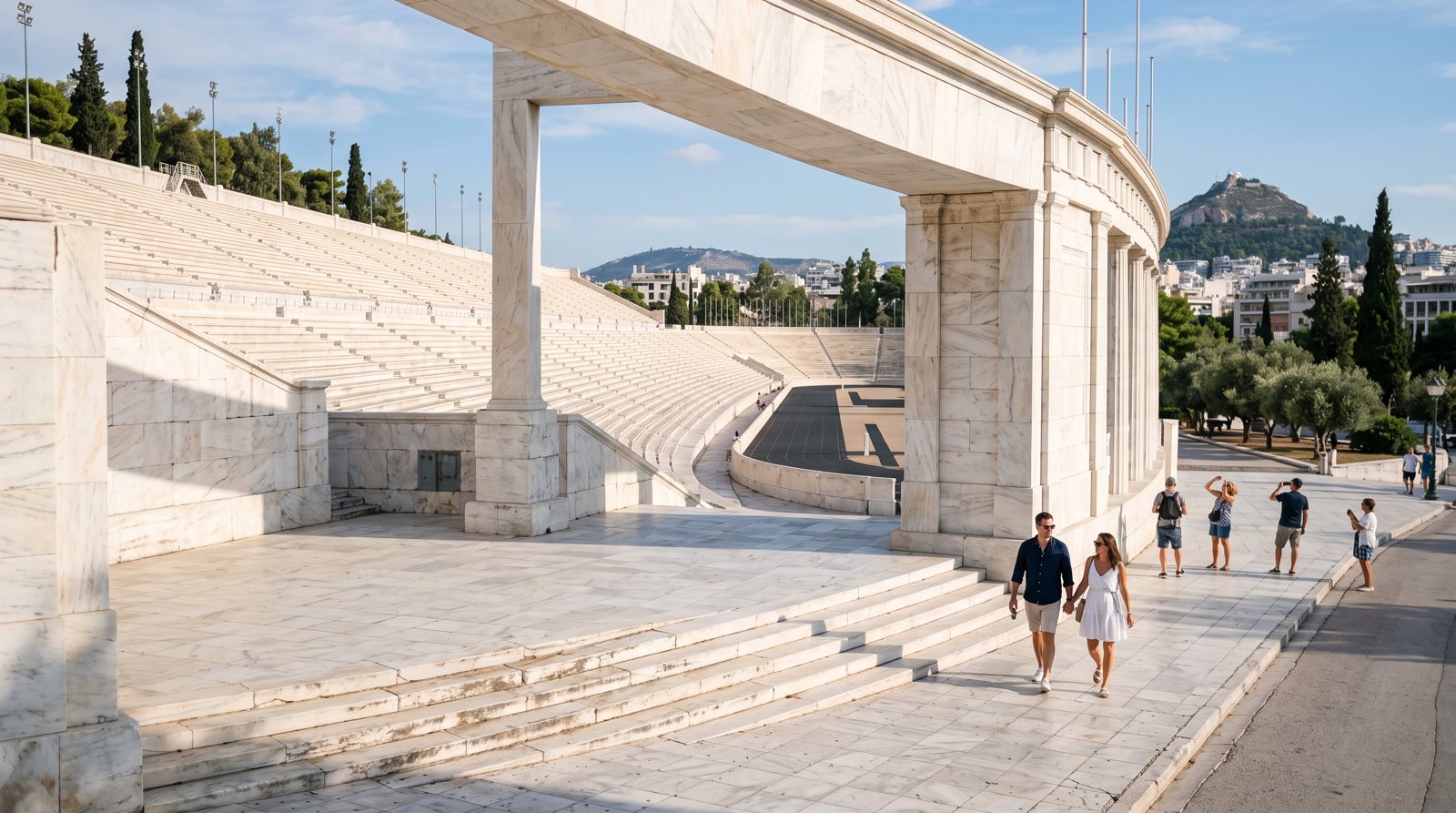
Pangrati announces itself in marble. Stand on Vasileos Konstantinou Avenue and the western edge of the neighbourhood opens with the all-white bulk of the Panathenaic Stadium, its U-shape catching the light and its tiers rising like a civic monument to persistence rather than spectacle. This is not Athens performing for visitors; it is Athens living at a slight angle from the tourist script, a place where the evening plan might be a reservation, a bottle, and a walk home past apartment blocks and bakery windows. The neighbourhood’s reputation has been built the old-fashioned way, by locals filling tables, by chefs deciding they would rather cook for neighbours than for day-trippers, and by a kind of urban confidence that doesn’t need to advertise itself loudly.
Pangrati is what middle-class, mildly bohemian Athens looks like when it has kept itself mostly to itself. The composer Manos Hatzidakis lived here. So did the Nobel poet George Seferis. That creative lineage still hums through the streets, not as a museum piece but as atmosphere: bookshops, galleries, arthouse cinemas, a Friday farmers’ market, and cafes where the table talk seems to run toward novels, politics and the next dinner booking. It is central in the most practical sense — roughly a fifteen-minute walk from Syntagma — yet it feels detached from the churn of Plaka and Monastiraki. The neighbourhood organises itself around its squares: leafy Plateia Proskopon, lively Plateia Varnava, and the smaller Plastira and Mesolongiou nearby. Between them run semi-pedestrian streets like Empedokleous, where palm and mulberry trees shade the tables and the whole block can turn into a single long terrace on a warm night.
What Pangrati is known for
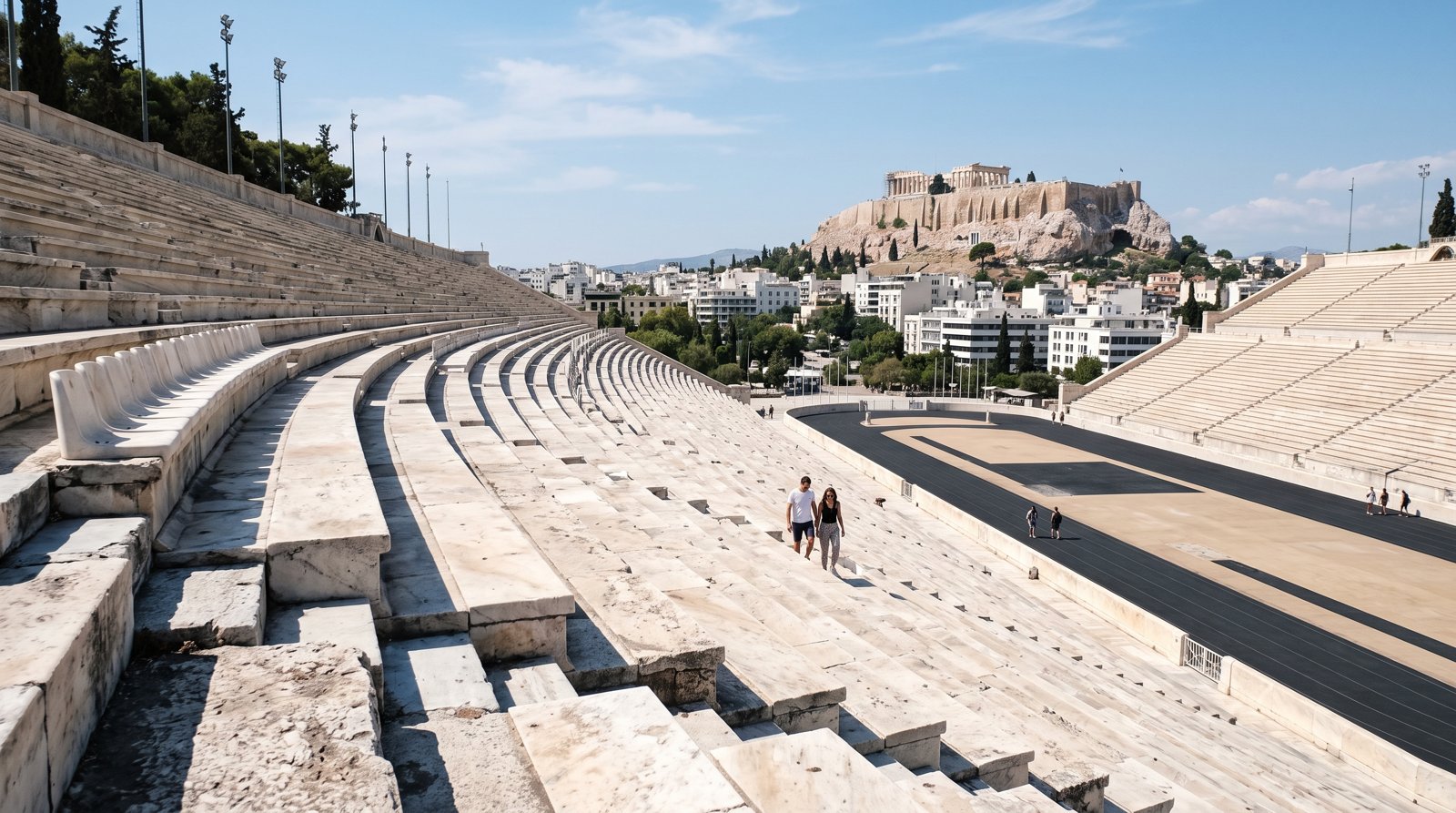
Two things, mostly: the Panathenaic Stadium and the food. The stadium — everyone calls it Kallimarmaro, the beautiful marble — is the neighbourhood’s grand western gateway, a U-shaped arena rebuilt on ancient foundations for the first modern Olympic Games in 1896. It is one of those rare city landmarks that feels both historical and usable. You can go inside for about €5, from 08:00 daily, with a free multilingual audio guide and a small Olympic-posters museum tucked in the tunnel. You can run the track, sit in the marble seats, and climb to the top tier for one of the cleanest framed views of the Acropolis in Athens.
That alone would make Pangrati worth a detour. But the neighbourhood’s real identity has been formed more recently, over the last decade, as it has become one of the city’s strongest eating districts. Chefs open here because locals will fill the room on a Tuesday. The dining scene stretches from Michelin-starred rooms to fire-grill bistros, natural-wine bars and old family tavernas, all within a few blocks. It is a concentration of ambition without the slickness that often comes with it.
The cultural layer runs just as deep. The Basil & Elise Goulandris Foundation, on Eratosthenous Street, opened in 2019 and brought Cézanne, Van Gogh, Picasso and a serious Greek modern collection into the neighbourhood. In nearby Mets, the First Cemetery of Athens turns sculpture into streetscape, with 19th-century marble tombs laid out like an open-air museum.
Where to eat & drink
This is the section that explains Pangrati to people who know Athens. At the top end, Spondi, on Pyrronos 5 just off Plateia Varnava, has held Michelin stars since 2002 and remains the city’s grande dame of fine dining. Chef Arnaud Bignon’s contemporary French cooking is served in a vaulted neoclassical room or a jasmine-shaded courtyard, with a cellar of well over a thousand labels. It is the kind of place that reminds you Athens has long had serious culinary ambitions; Pangrati merely gives them a neighbourhood scale.
A few streets behind the stadium, Soil offers a different kind of seriousness. On Ferekidou 5, in a restored 1925 villa, chef Tasos Mantis runs a farm-to-table tasting menu grown largely in his own garden at Alepochori. It has both a Michelin star and a Green Star, and the setting feels like an argument for restraint: a historic house, a focused kitchen, a plate that knows exactly where it came from.
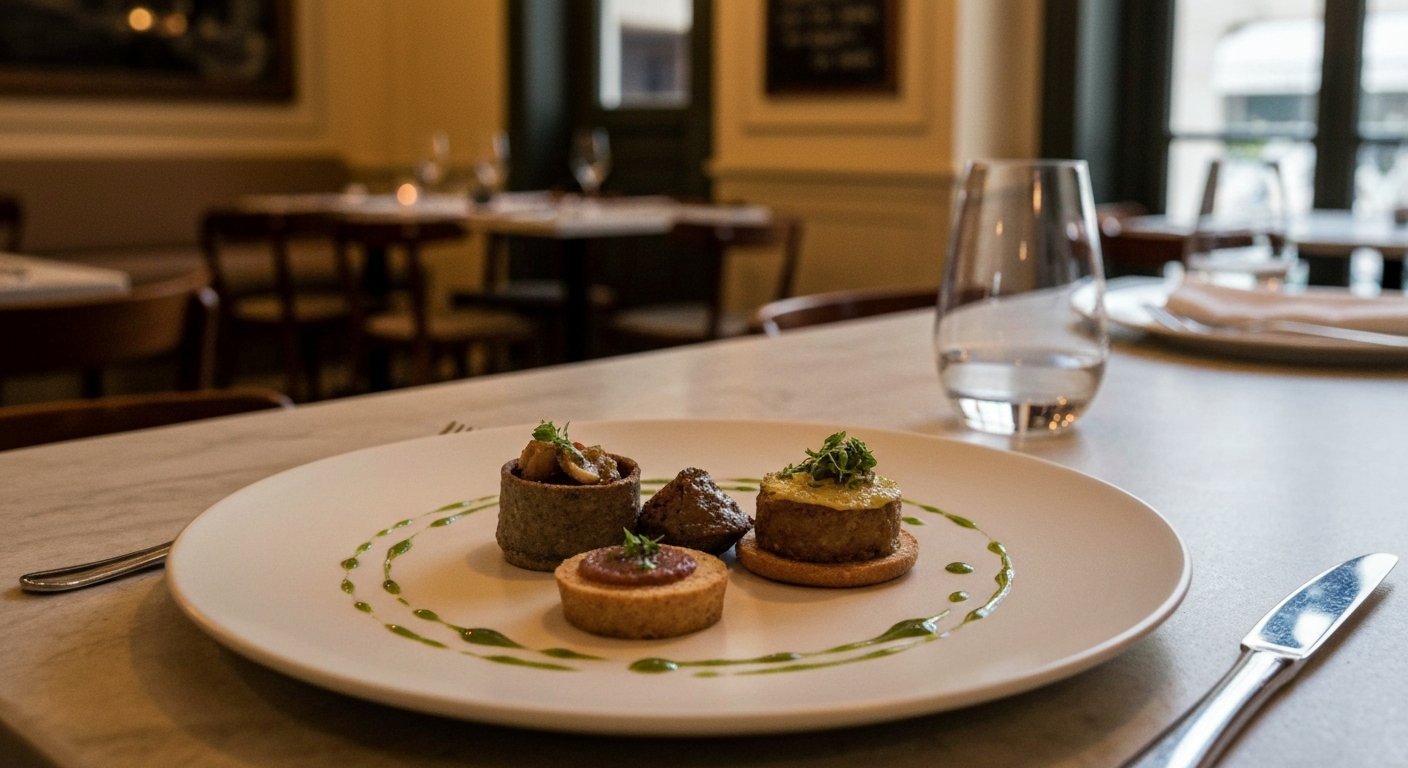
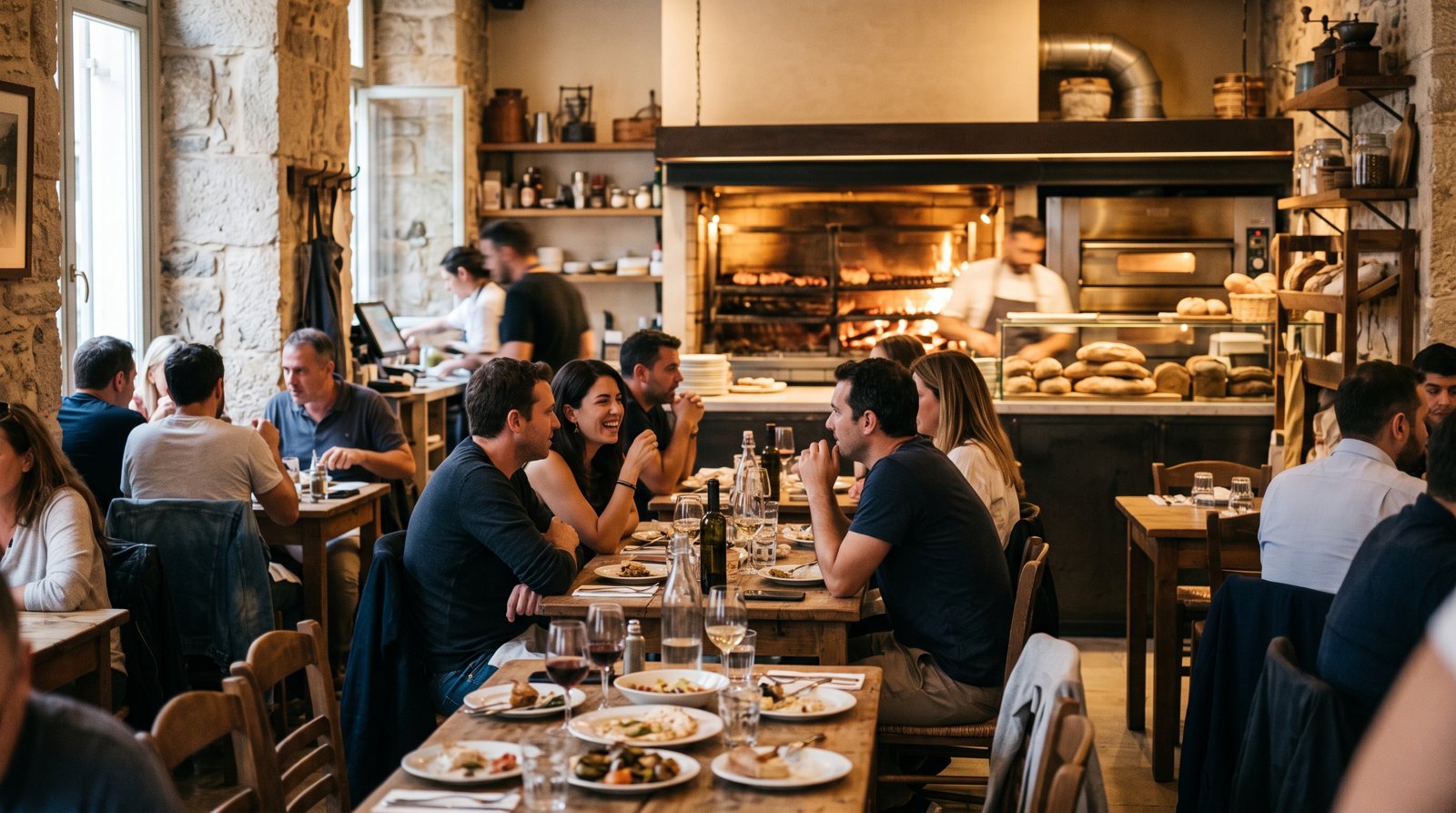
The heart of Pangrati’s current pull is the mid-range wave. Akra, at Amynta 12, is the hardest table to get and one of the most talked-about. Run by Giannis Loukakis and Spiros Pediaditakis, it is a Bib Gourmand room built around a wood-fired grill and a working bakery at the front. The menu changes daily, but the idea is constant: smoky vegetables, grilled fish and blistered breads that make the room smell like appetite itself. Book ahead. You will not be the only one who thought of it.
Ex Machina, at Empedokleous 34, gives the neighbourhood a more experimental pulse. Chef Adam Kontovas folds Egyptian roots and Asian technique into Greek ingredients, so the menu might move from seared taameya with fava to cauliflower dusted with espresso. It runs around €35–45 a head, which feels like a fair price for a kitchen so willing to cross borders without turning the meal into a stunt.
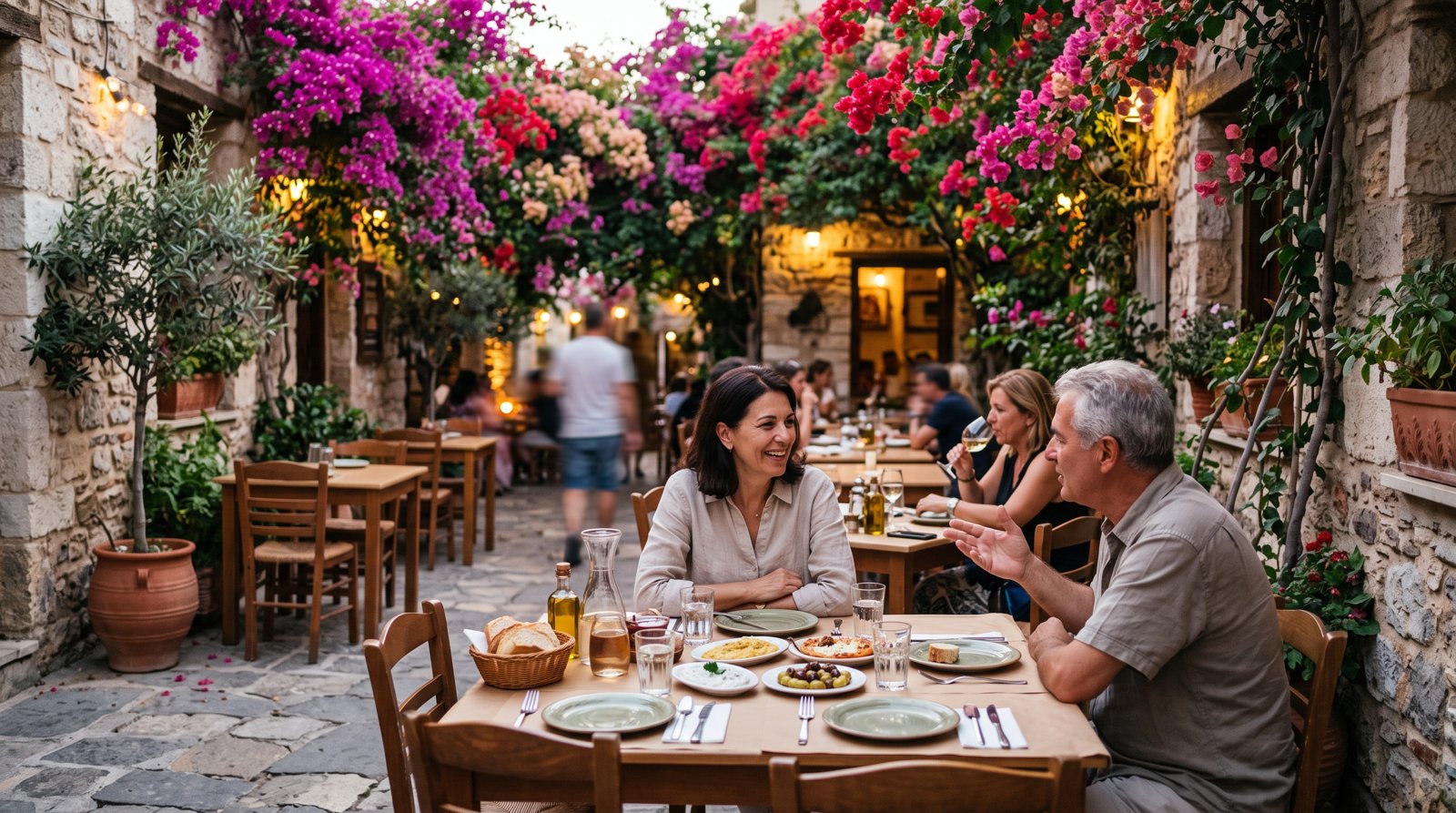
For the traditional counterweight, Katsourbos on Plateia Proskopon, at Amynta 2, has been cooking serious Cretan food since 2004. The draw is not nostalgia but confidence: gamopilafo wedding rice, stamnagathi greens and snails, all served in a square that feels like it belongs to the neighbourhood rather than to a dining trend. Vyrinis, in Mets at Archimidous 11, is even more intimate in its own way — a fifth-generation family taverna, established in 1940, with a bougainvillea courtyard and a mezze dinner around €20. Mavros Gatos, at Polemonos 4, keeps the old-school casseroles and grills coming under vintage murals, the sort of place where the room itself seems to know the menu.
Not everything here is a long lunch or a tasting menu. Colibri on Empedokleous does some of the best burgers in Athens, and also pizza and pasta, which makes it the sort of place that quietly saves an evening when the reservation plans go sideways. Borghese, at Archelaou 19, makes Italian-style deli sandwiches on good bakery bread, with more than 20 options. And when the meal needs to become a bottle, Materia Prima on Plateia Mesolongiou 3 is the neighbourhood’s natural-leaning wine bar, with around 800 labels and roughly 40 by the glass from about €5, plus island cheeses and small plates.
Going out
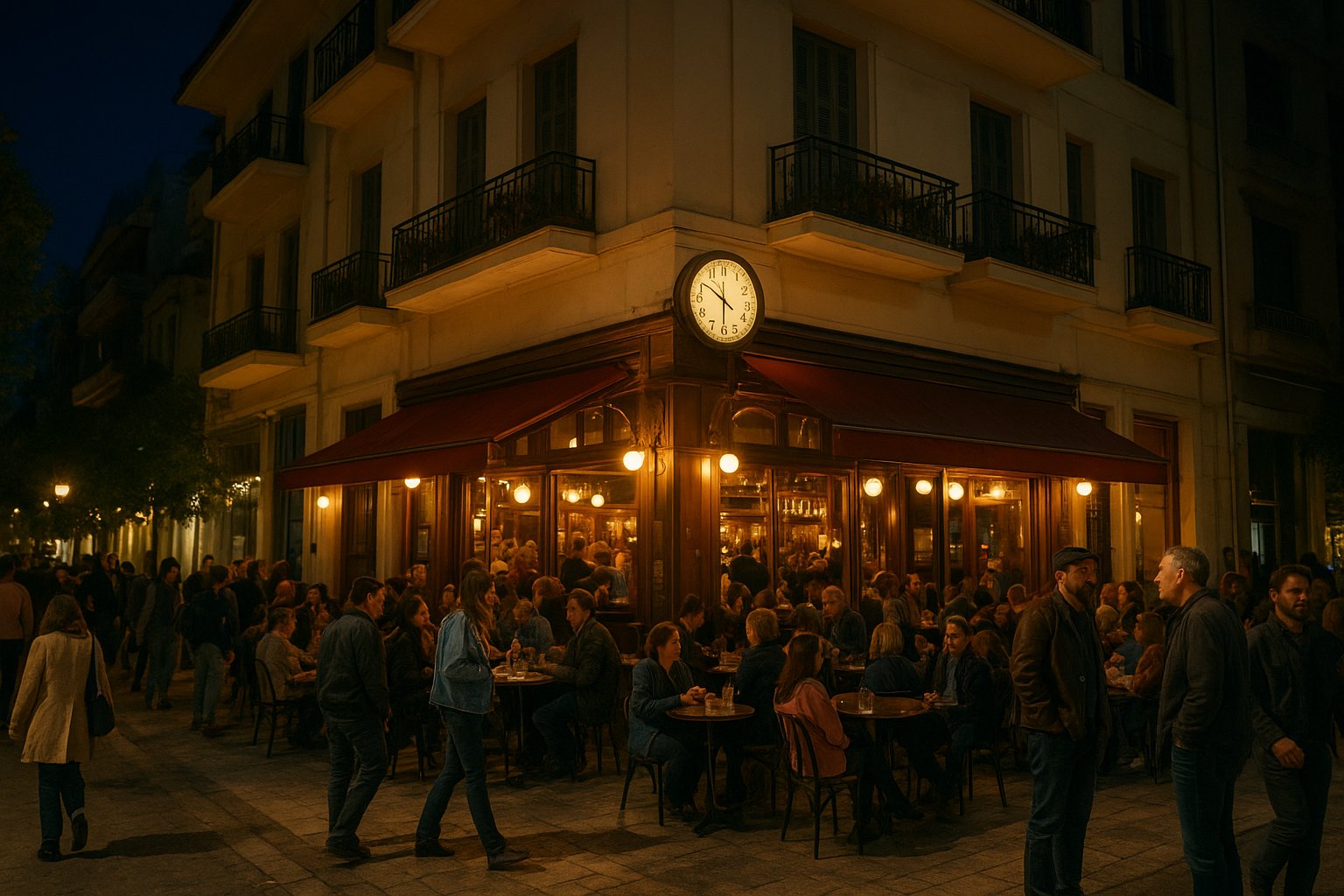
Pangrati’s nights are grown-up and unhurried. There are no clubs to speak of, no all-night district energy, no sense that you have to keep up with the room. Instead, the neighbourhood runs on wine, cocktails and terraces that fill and stay full. The anchor is Chelsea Hotel on Plateia Plastira, a bar rather than a hotel, and a vintage-styled corner spot whose pavement crowd spills across the square on warm nights. It draws a young, hip local set and sets the tone for the area: sociable, stylish, but never overdone.
From there, the evening tends to radiate toward Plateia Varnava and the semi-pedestrian Empedokleous, where cafe-bars line both sides and the tables under the trees become the meeting point. The ritual is simple enough: arrive early for spritzes and a cheeseboard, stay late as the terraces shift into a bar mood. Materia Prima also doubles as a serious wine stop, and its deep by-the-glass list means the night can keep moving without ever feeling like it has to become loud.
What makes the nightlife here appealing is the same thing that makes the food scene work. Locals use it. They are not waiting for the weekend to begin, and they are not performing for a room of strangers. That gives the squares a steadier pulse, one that feels less like entertainment and more like an extension of the neighbourhood’s social life.
Things to do
Start, again, with the Panathenaic Stadium. It is a quick, cheap visit — about €5, open daily from 08:00, with a free audio guide — but it rewards lingering. Walk the track. Sit in the marble seats. Climb the last tier for a clean view over the city to the Acropolis. On the first Sunday of each month, the surrounding streets host the finish if there is a race on; otherwise the front terrace is simply the neighbourhood’s postcard.
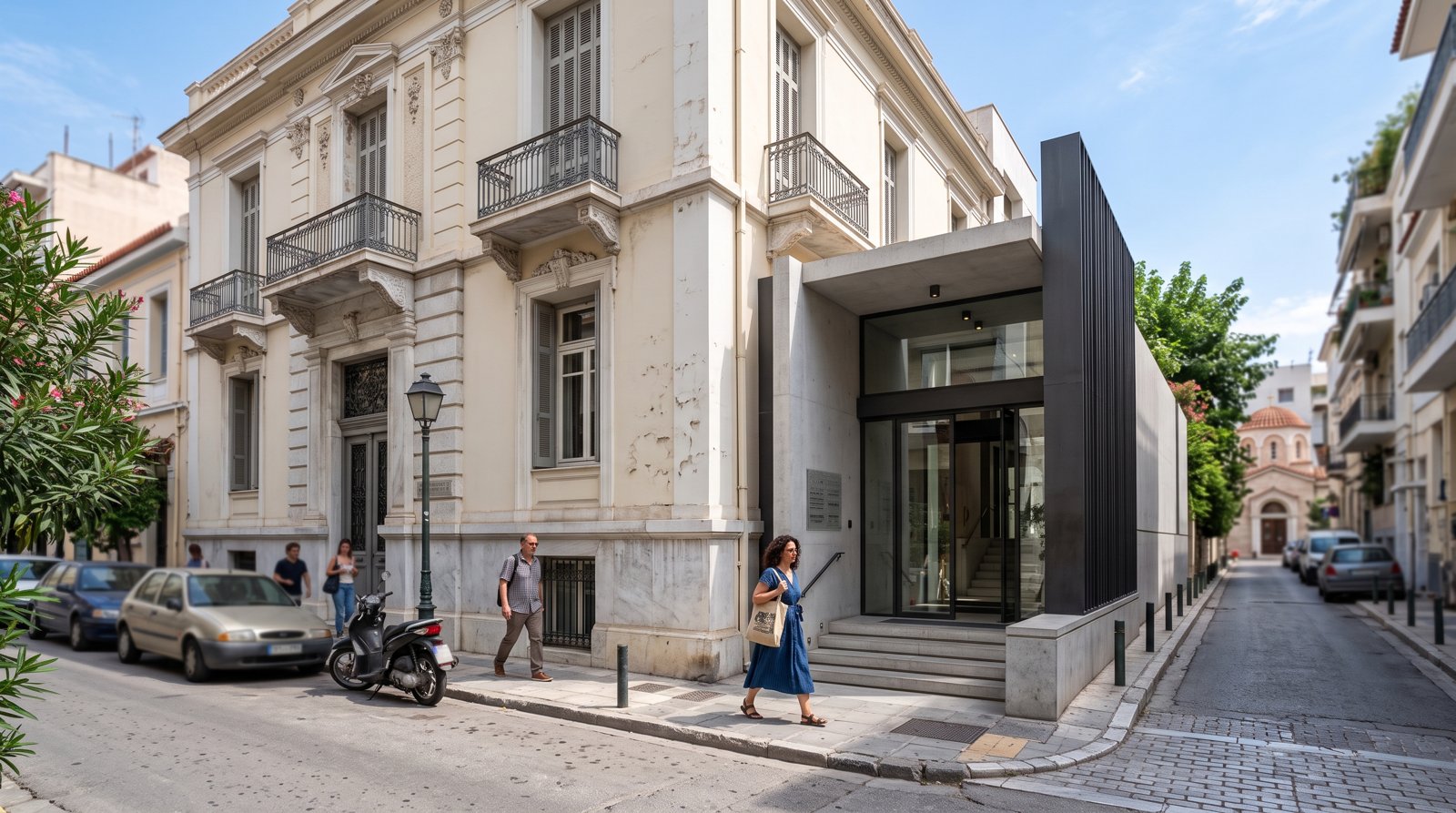
A short walk uphill brings you to the Basil & Elise Goulandris Foundation on Eratosthenous Street, one of Europe’s most valuable private modern-art collections. It is housed in a 1920s mansion with a deep underground extension, and the range is formidable: Cézanne, Van Gogh, Monet, Picasso, Giacometti and a serious Greek 20th-century holding across several floors. There is also a good café and a 187-seat amphitheatre, which makes the visit feel like more than a sequence of rooms.
Then cross into Mets, the small streets climbing behind the stadium, and head for the First Cemetery of Athens. Founded in 1837, it is effectively a free open-air sculpture museum, with avenues lined by neoclassical marble tombs carved by the great Tinos sculptors. The temple-style mausoleum of the Troy excavator Heinrich Schliemann is the best-known stop, but the larger pleasure is simply moving through the place at human speed, reading the city through stone.
After that, Pangrati rewards the unprogrammed hour. Have a morning coffee on Plateia Proskopon. Walk up the palm-shaded Empedokleous. Browse the galleries and bookshops. The neighbourhood is not built for checklist tourism; it is built for drifting.
Don’t miss in Pangrati
The Basil & Elise Goulandris Foundation, housing an exceptional modern art collection.
Varnava Square, a lively hub for evening drinks and dining.
Shopping & markets
Pangrati is not a fashion-boutique district. It is a browsing-and-grazing one. The week’s rhythm is set by the Friday laiki, the open-air farmers’ market that fills the streets around Plateia Varnava with fruit, vegetables, fish, olives, cheese and flowers straight from the growers. It functions as the local pantry and, if you have access to a kitchen, as a very good and very cheap picnic-builder.
The rest of the week belongs to independent small retail: neighbourhood bookshops, a handful of galleries, vintage stores, and the food shops that keep the restaurants supplied. Good bakeries matter here — Akra’s counter is part of the story, as is Borghese’s Kora-baked bread — and so do delis and specialist cheese and wine sellers, several of which double as bars in the evening. Materia Prima is the clearest example of that overlap: part bottle shop, part wine bar, part place where a bottle becomes a plan.
The main commercial spines run along Ymittou and around the squares, where everyday shops sit beside the odd design-led boutique. Come for edibles and books rather than labels. The best souvenir may be the least glamorous one: a bottle of Greek natural wine and a wedge of island cheese to take home.
Where to stay in Pangrati
Pangrati suits travellers who want a real, residential Athens base and are happy to walk. You trade metro-door convenience and Acropolis views for calm streets, great food and the feeling of living among locals. The sweet spot for atmosphere is the blocks around Plateia Varnava and Plateia Proskopon, where you wake up in the middle of the cafe-and-taverna scene and can roll home from dinner on foot. For quiet, look to Mets, the hillside streets behind the stadium — leafy, low-key and beautiful, though steeper and further from the shops. The western edge along Vasileos Konstantinou, by the stadium and the National Garden, is the most connected strip: it is the shortest walk to Evangelismos metro and to Syntagma, and puts the centre firmly on foot.
Accommodation here tends toward serviced apartments, small guesthouses and boutique stays rather than big chain hotels, which suits the neighbourhood’s live-like-a-local pitch. Expect fair prices for how central you are, plenty of stairs in older buildings, and lively but not raucous evenings around the squares.
Where to stay here
Hotels in Pangrati
Our best-rated stays in this neighbourhood. Prices are approximate “from” rates — confirmed at the provider when you continue. We may earn a commission if you book through our partners — at no extra cost to you.
 In this area
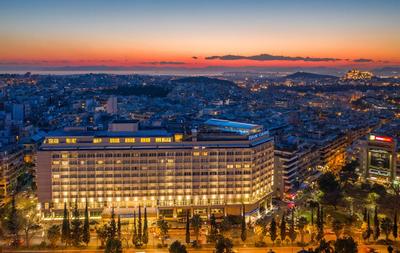 In this area
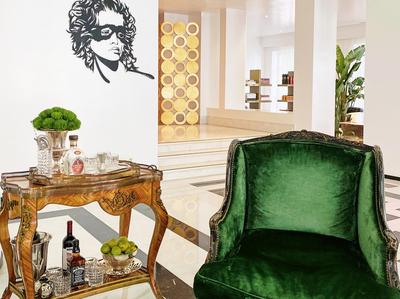 In this area
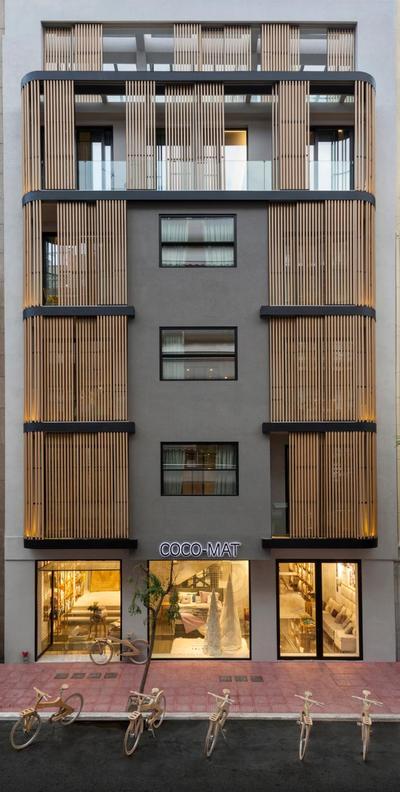 In this area
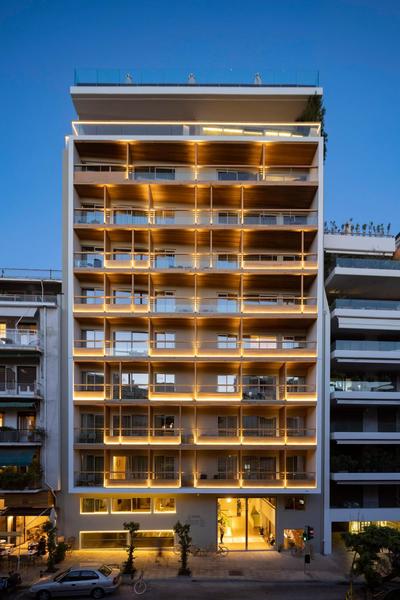 In this area
Getting around
Pangrati is compact and made for walking. You can cross it in about fifteen minutes, and everything above is an easy stroll from the squares. The one catch is that the metro does not run under it. The nearest station is Evangelismos on Line 3, a 5–15 minute walk from most of the neighbourhood along Spyrou Merkouri, and from there it is two stops to Syntagma to change onto the other lines.
The centre itself is close on foot: Syntagma Square is about a 15-minute walk through or past the National Garden, and Plaka and the Acropolis are a little beyond that. For everything else, there are frequent buses and trolleys. Trolleys 2, 4 and 11 and several bus routes serve the squares, and Plastira Square is a hub for all three trolley lines. A single tap-in fare is €1.20 for 90 minutes across metro, bus, trolley and tram.
Taxis and ride-hailing are cheap and plentiful. For the airport, Athens International is about 30–40 minutes by taxi, or you can take the X95 airport bus or the metro Line 3 from Evangelismos or Syntagma.
Good to know
Pangrati — your questions
Is Pangrati a good area to stay in Athens?
Yes, if you want a genuine local base rather than a doorstep-to-the-Acropolis location. It’s central, calm and packed with some of Athens’ best food and wine, but you do have to walk to the nearest metro at Evangelismos.
What is Pangrati known for?
Mostly the Panathenaic Stadium and the food scene. Kallimarmaro is the neighbourhood landmark, and the surrounding streets hold Michelin rooms, tavernas, wine bars and the Goulandris museum.
How far is Pangrati from Syntagma and the Acropolis?
Syntagma is about a 15-minute walk, and the Acropolis and Plaka are a little farther, roughly 25–30 minutes on foot depending on your route.
What is the best way to get around Pangrati?
Walk if you can. The neighbourhood is compact, and trolleys 2, 4 and 11 plus local buses cover the squares. Evangelismos on Line 3 is the nearest metro station.
Gallery