Athens neighbourhood guide
Kypseli, Athens: the neighbourhood that found its pulse again
Once Athens’ smartest promenade, now a dense, multicultural district of old apartments, market-hall revival and late-night creative energy, Kypseli feels like the city in motion rather than the city on display.
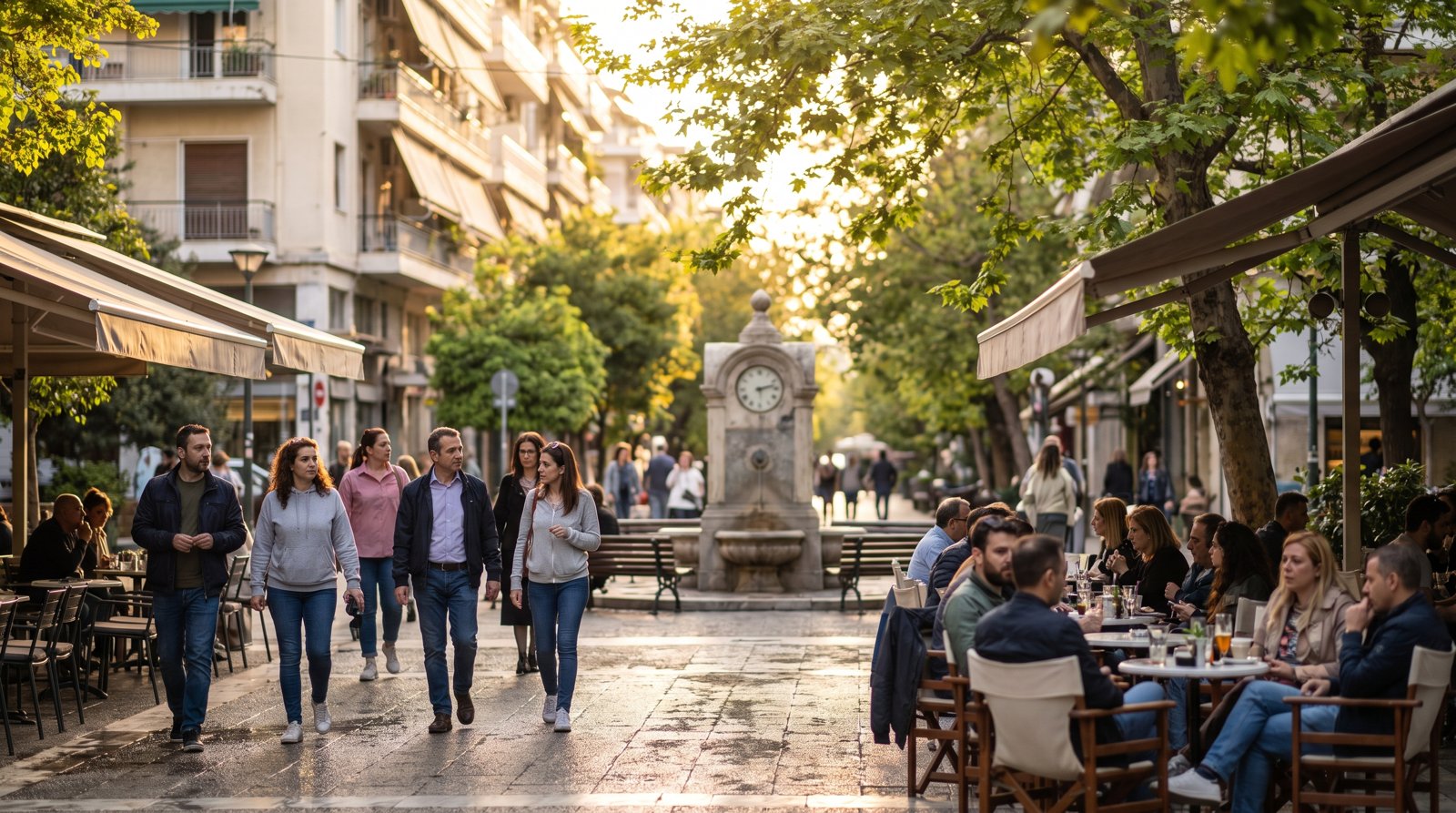
A trolleybus climbs Kypselis Avenue with a low electric whine, church bells drift from Agios Georgios, and on Fokionos Negri an old man reads the paper beneath plane trees while students nurse coffee beside Ethiopian families and Syrian grandmothers on the same benches. Kypseli doesn’t perform itself for visitors. It just keeps moving, loudly and at street level, in a grid of interwar apartment blocks north of Pedion tou Areos where a century of Athenian social change is still visible in the doors, stairwells and shopfronts.
What Kypseli is known for
Kypseli’s story has a rare kind of sweep. A century ago this was countryside and villa land; by the 1930s and 1950s it was where moneyed Athenians, actors and poets kept apartments, and where Fokionos Negri was the smartest promenade in the city. Then the middle class drifted outward, the grand buildings emptied, and cheap rents opened the district to new arrivals from Africa, the Middle East and Eastern Europe. That layering never disappeared. It became the neighbourhood’s identity.
Today, the appeal is that Kypseli still feels lived in rather than curated. The architecture alone could keep you wandering for hours: crumbling neoclassical mansions, sharp Bauhaus and Art Deco facades, marble stairwells behind peeling doors. But the real texture is social. A fruit stall can be serving three languages at once. A halal butcher sits a few doors from a phone-repair shop, which sits a few doors from a natural-wine bar. This is not polished Athens; it is ordinary Athens that has become newly interesting.
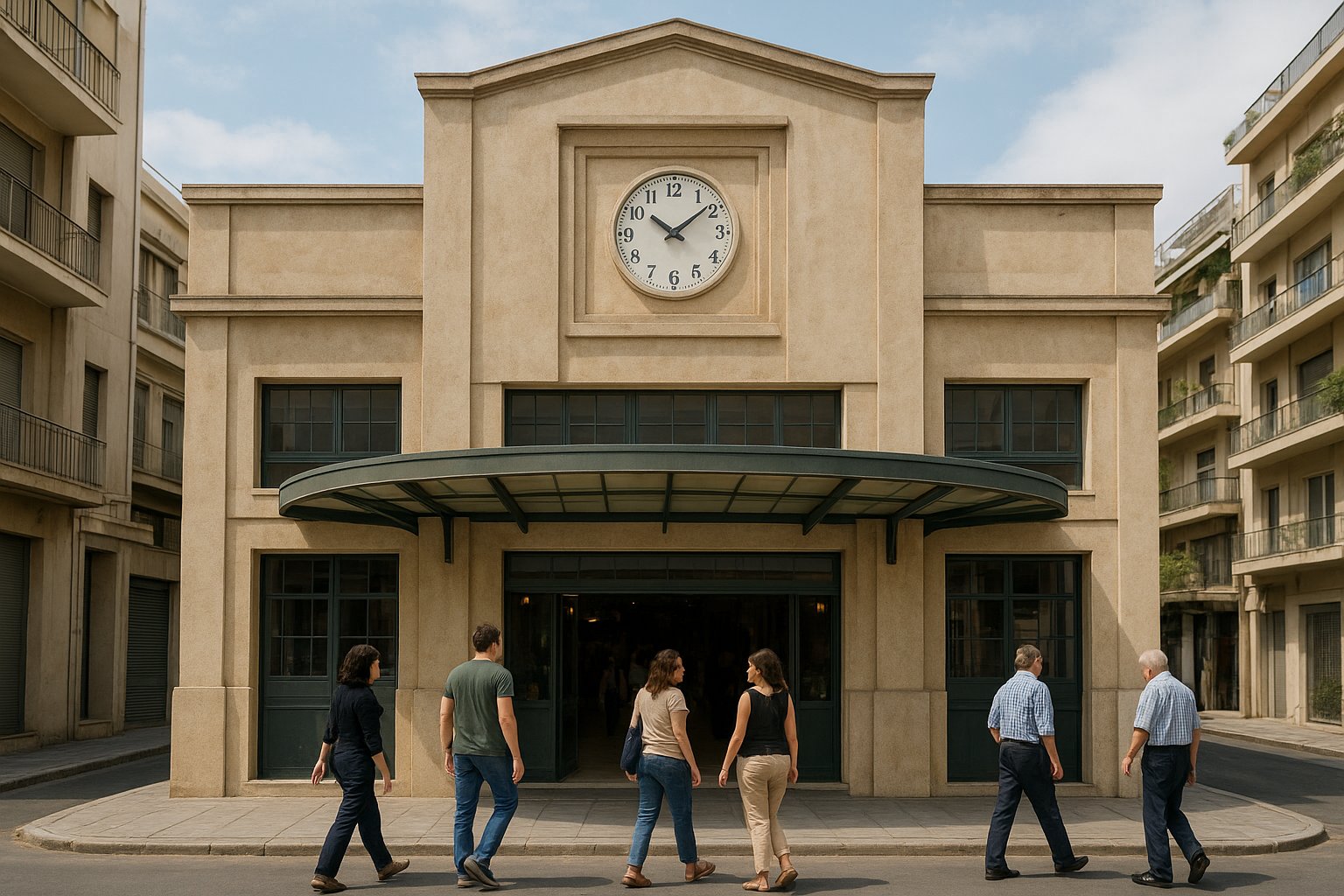
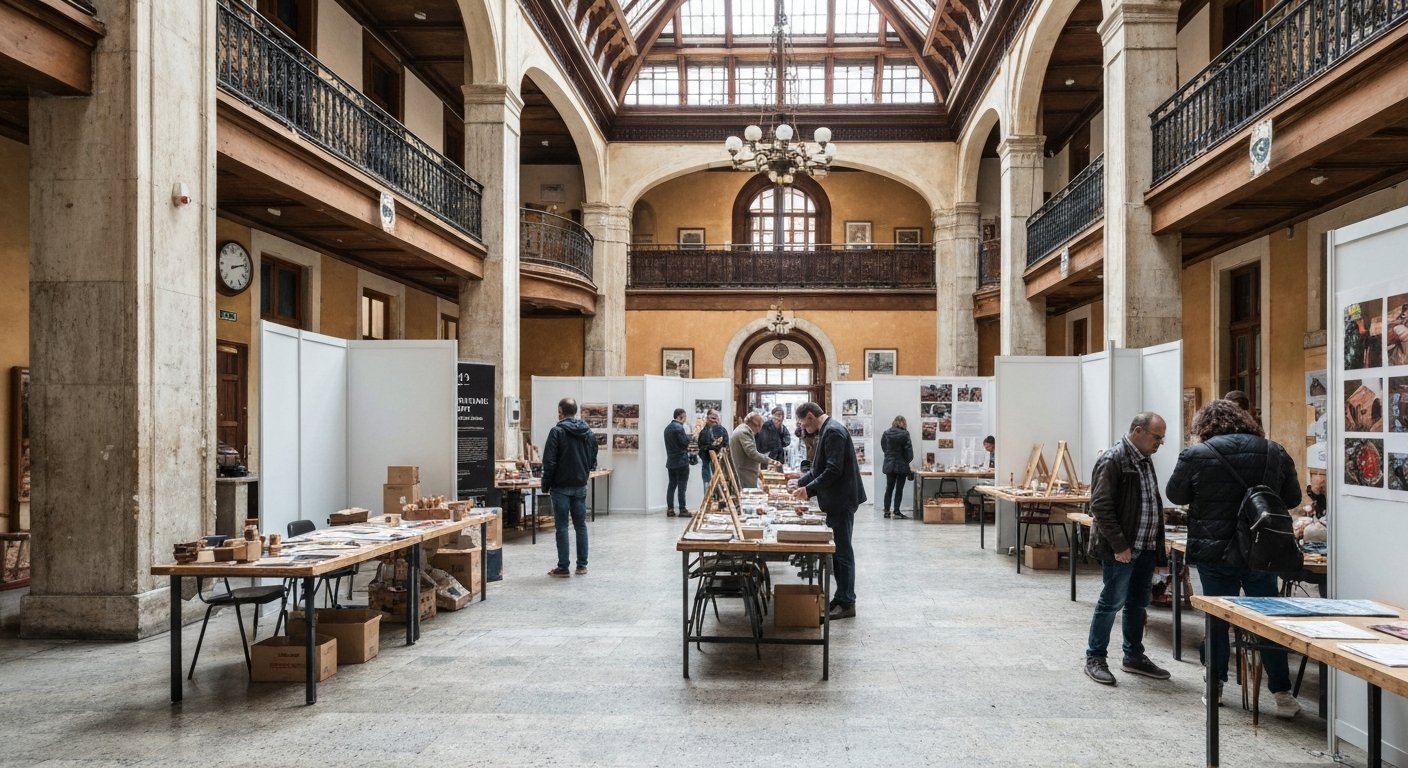
The clearest symbol of that change is the Kypseli Municipal Market at 42 Fokionos Negri, a 1935 modernist market hall that closed in 2003 and reopened in 2023 after restoration. Its renewed life as a hub for social enterprises, bazaars, workshops and cultural events says almost everything about the neighbourhood now: old civic infrastructure turned into a platform for people actually making things, meeting each other and staying put.
The boulevard itself is the neighbourhood’s stage set and its social glue. Fokionos Negri is roughly 600 metres long, laid over a buried stream, and its plane trees, pocket gardens, kiosks and café terraces give Kypseli a rare stretch of public calm in a district that otherwise runs on density and noise. It is where grandmothers, students, and families from all over the city share the same benches without ceremony. Sit there long enough and the place starts to reveal its rhythm: a trolleybus passing, a child shouting, a waiter carrying coffee across the paving, a DJ warming up somewhere on Agias Zonis.
Where to eat & drink
Eating in Kypseli is a lesson in range. You can start with a cheap souvlaki and end with a wine list of small Greek producers without changing neighbourhoods, let alone streets. That breadth is the point. It’s what makes Kypseli feel less like a “food district” than a place where many cuisines simply happen to coexist.
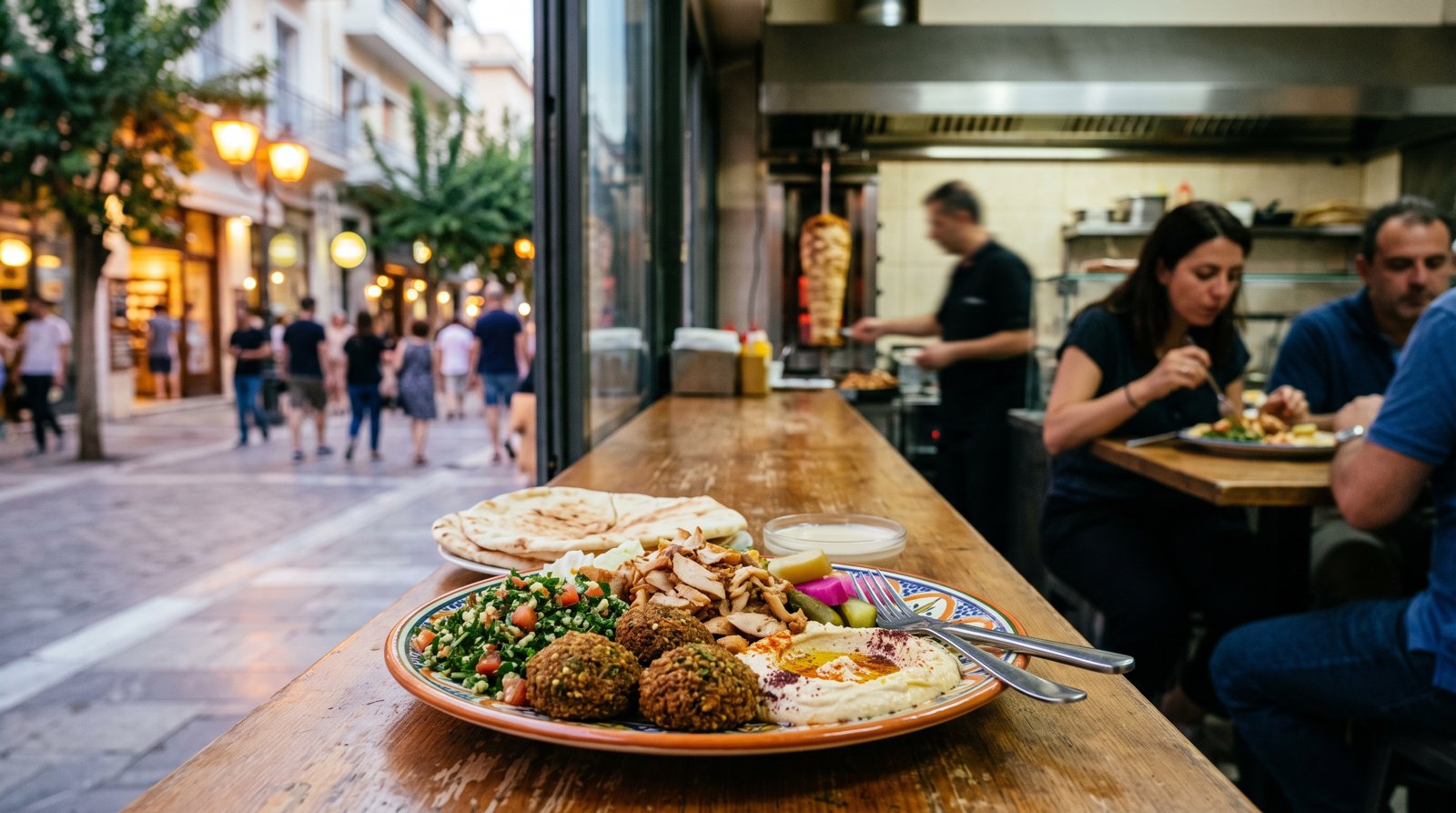
For the quick, dependable end of the spectrum, Rigani at 15 Fokionos Negri does exactly what a local souvlaki counter should do: pork and chicken gyros, crisp, cheesy fries, no fuss, no theatre. It’s the sort of place that reminds you how much of Athens runs on speed, repetition and good seasoning. A few doors away, Tastes of Damascus at 19 Fokionos Negri brings proper Syrian falafel and shawarma to the boulevard, and its social mission matters as much as the food: the kitchen trains asylum-seekers and refugees. That makes the meal feel rooted in the neighbourhood’s present tense, not just its menu.
Lisa is the newer, more contemporary kind of stop that Kypseli now supports. On Fokionos Negri, it turns out sourdough pizzas from a Gozney oven under pizzaiolo Stavros Tzamis, with the Marinara and spicy pepperoni singled out for good reason. Nearby, Topa — or ¡Topa! — has taken the old urban kafeneio and given it a smart, hybrid future, fusing Basque pintxos and Cretan flavours through the Oinoscent team and chef Giannis Tsikoudakis. Anchovies, Padrón peppers, squid and chickpeas arrive in a setting that feels both familiar and newly sharpened.
Dylan pushes further into creative contemporary Greek cooking, with grilled octopus and handmade pasta alongside local cheeses. It’s the kind of kitchen that makes Kypseli feel current without trying to erase its rough edges. You can eat well here in ways that are casual, ambitious, cheap or all three at once.
For drinks, Agias Zonis is the strip to remember. Eprepe at No. 1 is a stylish wine-and-cocktail bar where spicy margaritas share space with sea bass tartare and smoked-aubergine dip. Bateau Ivre at No. 8 takes a more literary turn, with charcuterie, truffled cheeses and seafood ceviche in a wine-bar setting that feels made for long conversations. Both are part of a street where the night can begin over plates and keep going after the plates are cleared.
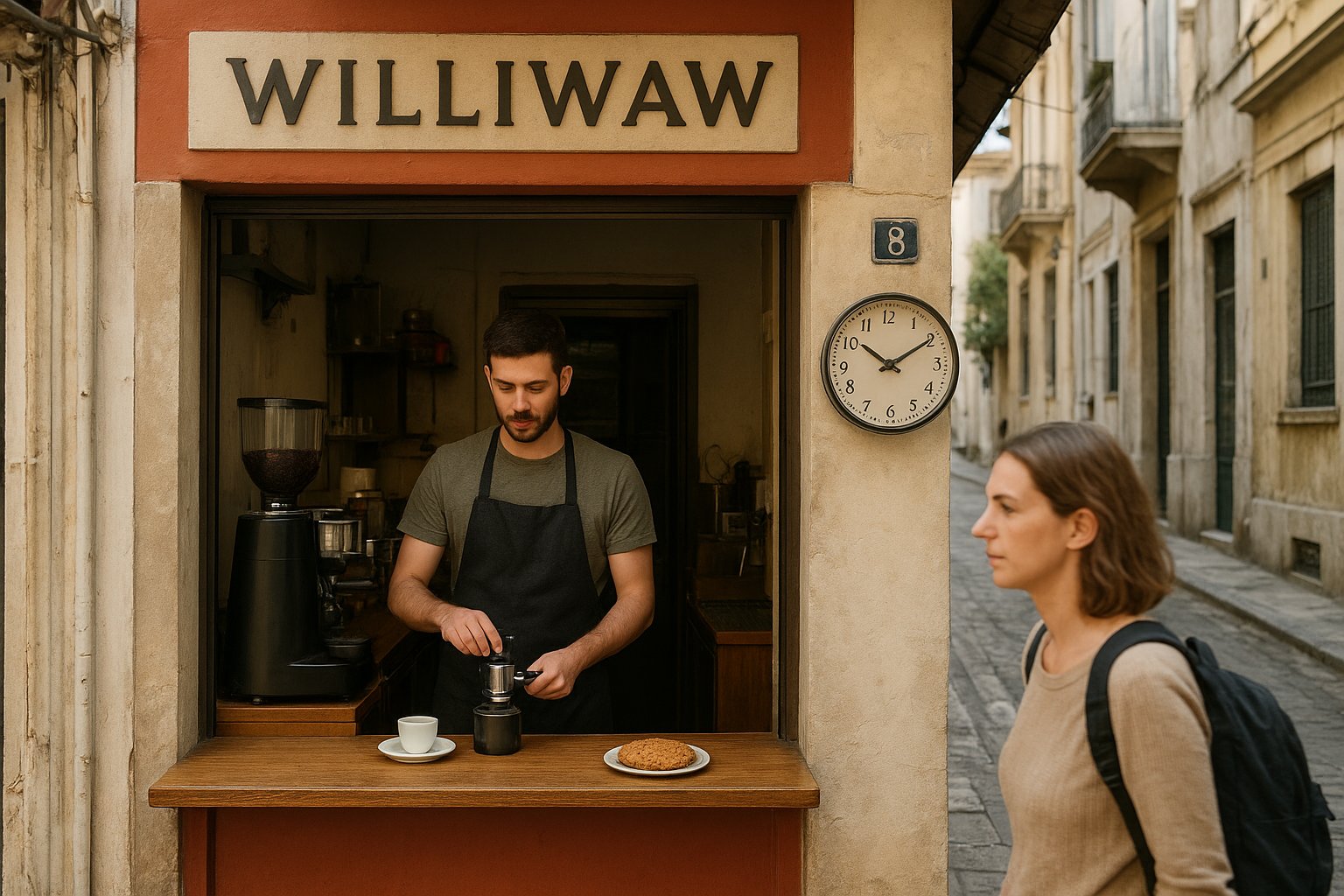
Further along the same social map, Williwaw on Kerkyras is the tiny specialty coffee stop everyone seems to name, and for good reason: the soft-baked oatmeal cookie has become part of the local ritual. Near the market, Flake bakes the focaccia and bread that supply nearby cafés like Mellem and KICK, which tells you something about the neighbourhood’s ecosystem. There is a working chain of taste here, from bakery to café to table.
Going out
Nightlife in Kypseli is intimate by design. There are no superclubs, no velvet ropes, no party district theatrics. Instead, the evening unfolds on foot: a wine terrace, a vinyl bar, a late gig, maybe a whiskey in a room that has seen half the city pass through it. That scale suits the neighbourhood. Kypseli’s nights feel social rather than staged.
The short pedestrian run of Agias Zonis is the centre of gravity. Iznogood & Nephew packs a 70s allure into a 20-square-metre room of vinyl and classic cocktails, and the fact that it is run by DJ Iznogood, Giannis Georgoulas, gives it the right kind of authority without making it feel self-conscious. It is small enough that the night seems to happen inches from you.
Komna Traka, in a restored former bakery, brings a softer glow: warm amber light, inventive cocktails and house-made cordials. It is the sort of place where you can arrive for one drink and stay because the room has settled around you. Eprepe and Bateau Ivre, already essential for eating and drinking, also keep pouring late, which makes the whole strip feel elastic.
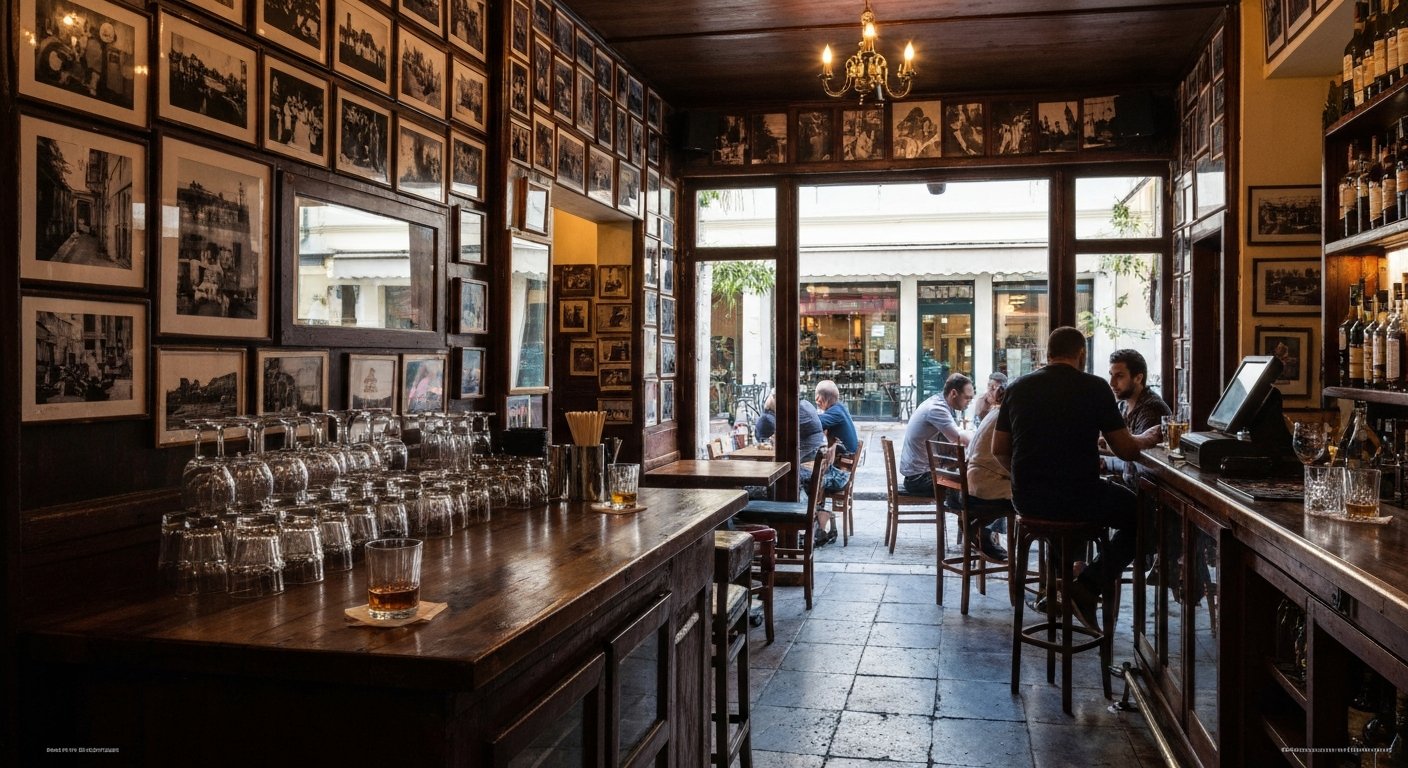
Then there is Au Revoir on Patission Avenue, often called the oldest bar in Athens. The room is dim, the walls are covered in photographs, and whiskey is the point. It has the gravity of a place that has outlived trends because it never needed to belong to one. If you want the city’s nocturnal memory in one room, this is close.
For culture-led evenings, KET — the former TV-repair workshop turned venue — stages new theatre, music and performance since 2012. And in summer, Stella, the open-air cinema near the market, screens European and art-house films under the trees. It is one of those cheap Athens nights that feels both ordinary and memorable, the kind you end up describing later as if you’d stumbled into a local habit rather than a destination.
Things to do
Kypseli rewards wandering more than ticking off sights. The obvious place to begin is Fokionos Negri itself, because the promenade is not just a thoroughfare but the neighbourhood’s emotional centre. Walk it slowly and you get the whole district in one corridor: plane trees overhead, terraces at knee level, kiosks selling the things people actually need, children cutting across the paving, older residents lingering as if this were a drawing room that had been moved outdoors.
The market is the other essential stop. The Kypseli Municipal Market at 42 Fokionos Negri is worth visiting not only for its architecture but for its permanent exhibition, Voices | People | Stories, which tells the market’s and district’s history. Around that, the day changes shape depending on what’s happening: a bazaar, a workshop, an organic pop-up. It is the sort of place where a civic building has been returned to civic use.
The creative scene is close enough to touch. Snehta Residency on Ioanni Drossopoulou hosts rotating exhibitions by international artists, alongside a small library and art shop. Kypseli Print Studio, founded by Eleanor Lines in a mid-war building off Fokionos Negri, opens for workshops and one-off events. Meteoritis, at 68 Fokionos Negri, stocks artist books, zines and Greek literature and hosts readings. These are the kinds of places that make the neighbourhood feel like a working cultural ecosystem rather than a branding exercise.
If you want green space, Pedion tou Areos sits on Kypseli’s southern edge and gives the district its breathing room. One of Athens’ largest parks, it offers a 1.3-kilometre loop, an outdoor theatre, war monuments and busts of independence heroes. In the morning it is a place to run; in the afternoon it is where your shoulders drop after the noise of the streets.
Don’t miss in Kypseli
Fokionos Negri, a long, pedestrianized boulevard lined with cafes and plane trees.
The Municipal Market of Kypseli, a hub for social enterprises and local makers.
Shopping
Shopping in Kypseli is best understood as browsing and grazing. The Municipal Market is the obvious start, not because it is a glossy retail centre but because it reflects the neighbourhood’s practical life. Beyond cafés and events, it houses social-enterprise stalls selling honey, ceramics, eco-friendly goods and books, and it runs a rotating calendar of bazaars and a farmers’ market where new-generation producers bring organic and natural-farmed goods. It is shopping as a civic habit, not an errand.
Outside the market, the side streets around Fokionos Negri stay gloriously functional. Greengrocers, Middle Eastern grocers, spice shops, florists and everyday retail keep the area affordable and alive. Erga Fysis at Fokionos Negri 21 is one of the local names worth noting, but the larger pleasure is the street itself: the sense that you can buy dinner, flowers, and a replacement charger in the same short walk.
The more curated layer is tucked away on quieter streets. Re:wearit on Pipinou handles second-hand and vintage clothing. Entropia Records on Ithakis is where vinyl people go to browse. Pilos on Kefallinias sells ceramics made locally. None of these places scream for attention. They reward the kind of drifting that makes a neighbourhood feel collectible without becoming precious.
Where to stay in Kypseli
Kypseli is more a live-like-a-local base than a hotel district, and that is part of its appeal. The stock leans toward apartments, studios and small guesthouses rather than big-brand hotels, which keeps it good value for central-adjacent Athens. If you want to be in the thick of it, look around Fokionos Negri and St George’s Square, where the market, the meze bars and the trolleybus lines are all close at hand. If you prefer a quieter morning, climb a little uphill toward Ano, or upper, Kypseli, where the streets feel calmer and greener.
The practical advantage is obvious: you are roughly 10 minutes from Victoria metro and 20 minutes from Syntagma, with prices generally gentler than in Koukaki, Kolonaki or Pangrati for comparable space. That makes the area especially appealing for adventurous eaters, creatives and budget-minded return visitors who don’t need the Acropolis on the doorstep and would rather spend their money on dinner, drinks and a longer stay.
If your first Athens trip is built around the ancient centre, Plaka or Koukaki will be more convenient. But if you want to wake up in a neighbourhood that still feels like a neighbourhood, Kypseli is hard to beat.
Where to stay here
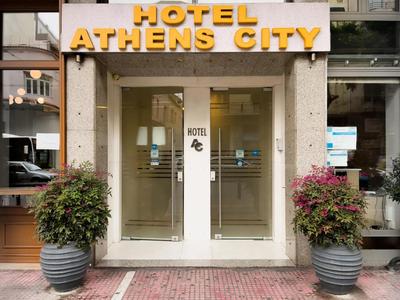
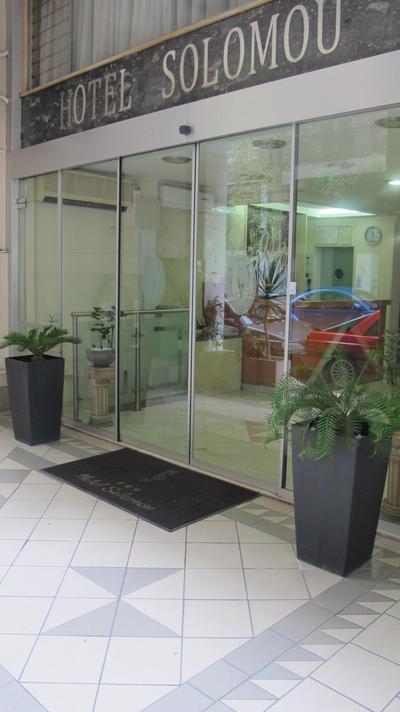
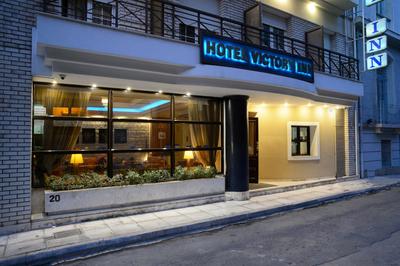
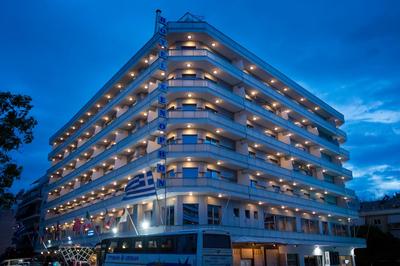
Hotels in Kypseli
Our best-rated stays in this neighbourhood. Prices are approximate “from” rates — confirmed at the provider when you continue. We may earn a commission if you book through our partners — at no extra cost to you.
 In this area
 In this area
 In this area
 In this area
 In this area
 In this area
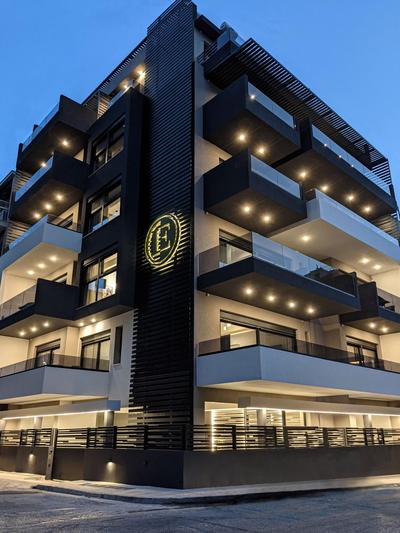 In this area
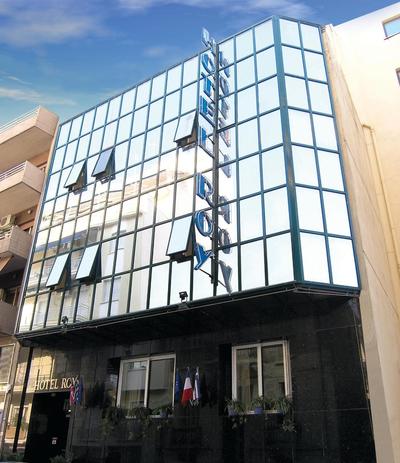 In this area
 In this area
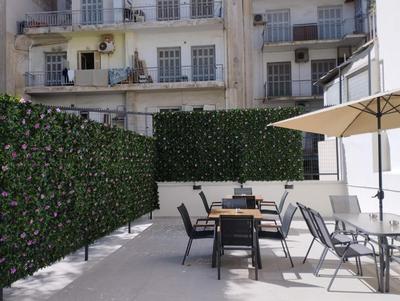 In this area
Getting around
Kypseli sits just north of the centre and doesn’t have its own metro station, but it is well connected. Victoria on Line 1 is about a 10-minute walk from the lower end of Fokionos Negri, while Attiki on Lines 1 and 2 is a similar walk from the western edge. The real workhorses, though, are the electric trolleybuses. Lines 2, 3, 4 and others run up Kypselis and along the surrounding avenues, linking the neighbourhood directly to Victoria, Syntagma and the centre.
Once you are here, the area is flat and very walkable. Fokionos Negri, St George’s Square, the market and the Agias Zonis bar strip all sit within a few minutes of each other, and Pedion tou Areos is on the southern edge. Syntagma and Plaka are about 20 minutes by trolleybus or a 25- to 30-minute walk. For the airport, take the metro from Victoria or Syntagma to the airport line, or use a taxi, which is roughly 40 to 50 minutes depending on traffic.
Street parking is tight and frustrating, so if you drive, use a car park and forget about the car until you leave. Kypseli is best absorbed on foot, with the trolleybus as backup and the neighbourhood’s noise as part of the experience.
Good to know
Kypseli — your questions
Is Kypseli a good area to stay in Athens?
Yes, if you want an affordable, lived-in local neighbourhood with a real food and creative scene rather than doorstep sightseeing. It’s one of the best-value central-adjacent areas in Athens, with Victoria metro about 10 minutes’ walk and Syntagma around 20 minutes by trolleybus. Stay near Fokionos Negri or St George’s Square for the bars, cafés and market.
Is Kypseli safe?
Broadly yes. Kypseli is a dense, busy, multicultural neighbourhood that feels lively from morning to late at night, and visitors generally find it welcoming. As in any large city, keep normal awareness on quieter side streets and around Patission Avenue and Victoria late at night.
What is Kypseli known for?
Its multicultural character, interwar architecture and fast-rising creative scene. The pedestrian promenade of Fokionos Negri and the restored Kypseli Municipal Market are the anchors, surrounded by Syrian, Ethiopian and Georgian food, wine bars on Agias Zonis, artist residencies such as Snehta, and cheap rents that keep drawing young Athenians and creatives back.
What kind of traveller suits Kypseli best?
Adventurous eaters, return visitors to Athens, design-minded travellers and budget-conscious independents. It’s less suited to first-timers who want the Acropolis and Plaka on the doorstep, or travellers who prefer a polished, quiet, boutique-heavy district.
Gallery