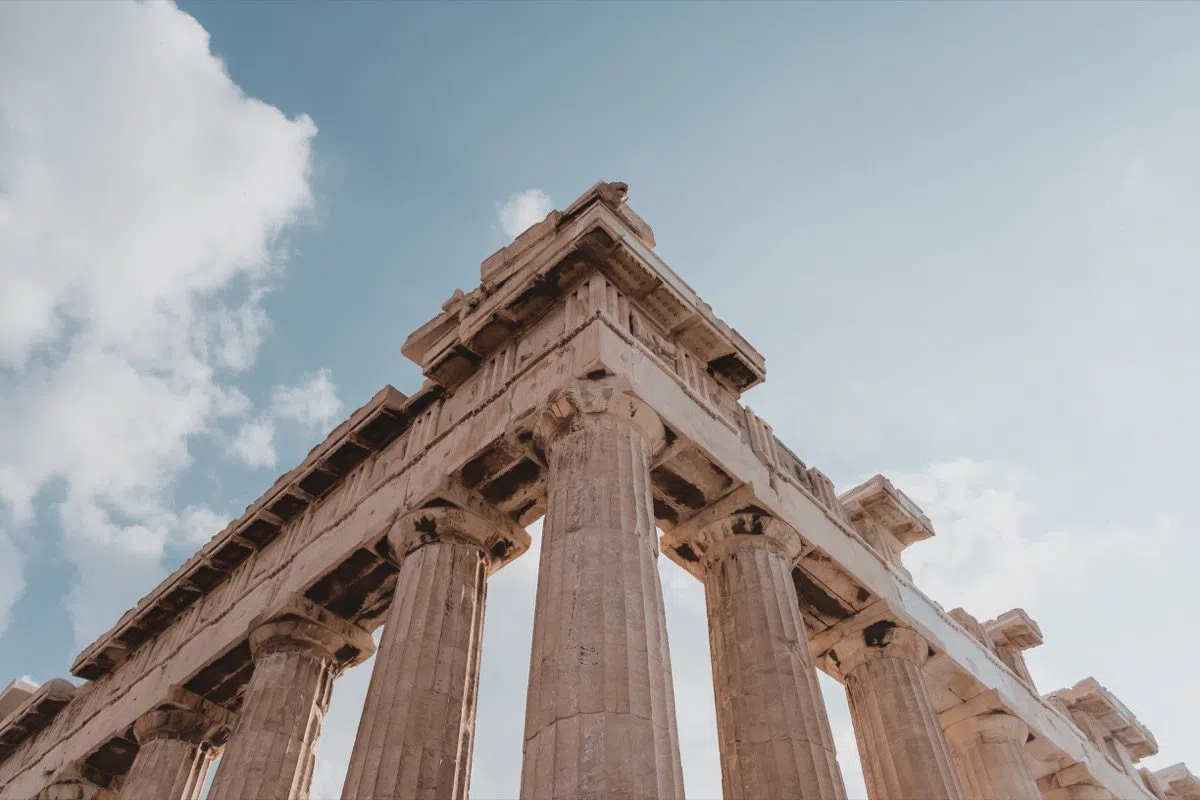

The Acropolis at eight in the morning smells of warm pine and cooler marble, and for about forty minutes the rock is almost yours — before the first coach parties come up from the coast and the path turns into a slow river of sun hats. I have walked up there more mornings than I can count, twice failed to book properly and paid for it in queue-sweat, and I have learned the hard way that beating the crowds in Athens is not luck. It is a plan you make five days early, and it costs less than a decent dinner.
The one booking that changes everything
Everything downstream of your visit — the light, the space, the photographs, your temper — is decided by a single choice: your ticket. Buy the official Acropolis timed e-ticket direct from hhticket.gr, the Ministry of Culture's own platform, and select the 8:00–9:00am first-entry slot. It is €30 for an adult from April to October, €15 in winter, and EU citizens under 25 go in free — but carry ID, because they do check at the gate and a screenshot of your passport is not enough on a bad day.
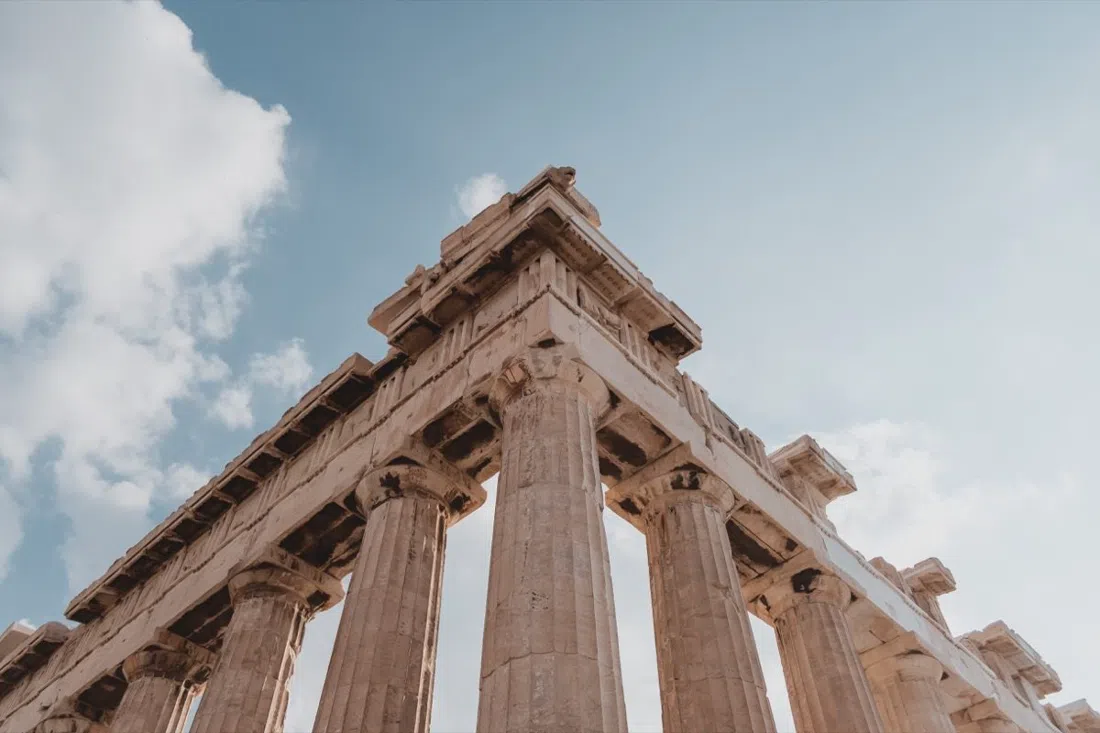
The maths is the whole point. The site is capped at 20,000 visitors a day and only around 3,000 of those in that first hour. Book five to seven days ahead for a summer morning and you are through the turnstile before the 10am surge rolls up from the Piraeus cruise berths like a tide. I cannot stress enough how different the same monument feels at 8:10 versus 11:30 — one is a temple, the other is a scrum.
Two honest warnings. First, skip the resellers. A dozen slick sites will sell you the identical ticket with a fat markup and a woollier time window; the timed slot is only properly enforceable when you buy it at source, and the official platform — plain and a little clunky though it is — is the real thing. Second, note that the €30 ticket is also a combined ticket that folds in the Ancient Agora and several other sites over several days, which quietly makes it one of the best-value culture passes in Europe. For groups, there is no single group ticket: you book individual timed slots, but a party can all sit under the same hourly window, so buy them in one go and keep everyone on the same 8am wave.
Going in with a guide — or a voice in your ear
A dawn ticket gets you space. Whether you get understanding depends on what you bring with you, and this is where I think most visitors either overspend or underspend badly.
If you want genuine depth, book Context Travel's private archaeologist-led tour (setting off at the south-slope entrance in Makrigianni). These are tiny capped groups led by PhD-level archaeologists and historians — from around €90 per person for a small group, private from about €350 — and it is the opposite of a flag-and-megaphone march. You get early skip-the-line entry and someone who can tell you why the Erechtheion's porch has women holding up the roof and what the marble was painted the day it was finished. It suits curious couples and serious solo travellers far more than restless children.
For a licensed local rather than a big-bus operation, Alternative Athens runs private early-morning Acropolis tours (an Athens-based outfit, meeting near the Makrigianni entrance) from roughly €150 for a group, tickets extra. Their trick is flexibility: they will build the start time around you and happily take families and small parties, which the scholarly tours sometimes can't. If you are three generations travelling together and want one guide who can read the room, this is the call.

The reliable middle ground is Athens Walks' Acropolis Morning Tour (departing the south slope) — small-group set departures capped at around fifteen, roughly €65–70 per person with tickets bought separately, plus private options. A 4.9-rated licensed guide walks you through the Parthenon, the Erechtheion, the little Temple of Athena Nike and the theatres before the midday crush lands. It is good value and dependable, the sort of tour I'd send my own parents on.
And if you bristle at being herded at all — I do — buy Clio Muse Tours' self-guided audio tour (on your own phone, anywhere on the rock) for somewhere between €5 and €16, and simply linger where you like. Everyone in your group runs the app at their own pace, so no one is dragged past the caryatids before they're ready. One caveat from experience: some users hit app-and-ticket hiccups, so download it offline the night before and buy your timed e-ticket entirely separately. This is the couples'-and-independents' choice, and it pairs beautifully with the 8am slot.

The nuclear option, if money is no object
There is one way to have the Parthenon truly, completely alone, and it is not cheap. The Acropolis Experience (the Ministry of Culture's out-of-hours programme) lets a private group of just one to five people onto the whole complex when it is closed to the entire world — 6–8am or 8–10pm — for €5,000 per slot. That is a preposterous number until you understand two things: it buys the entire archaeological site with not another soul on it, and every euro of the fee funds conservation of the monument. It is a once-in-a-lifetime, milestone-birthday, marriage-proposal sort of thing, strictly for tiny parties. I have never spent that money and probably never will, but I would not pretend it isn't extraordinary.
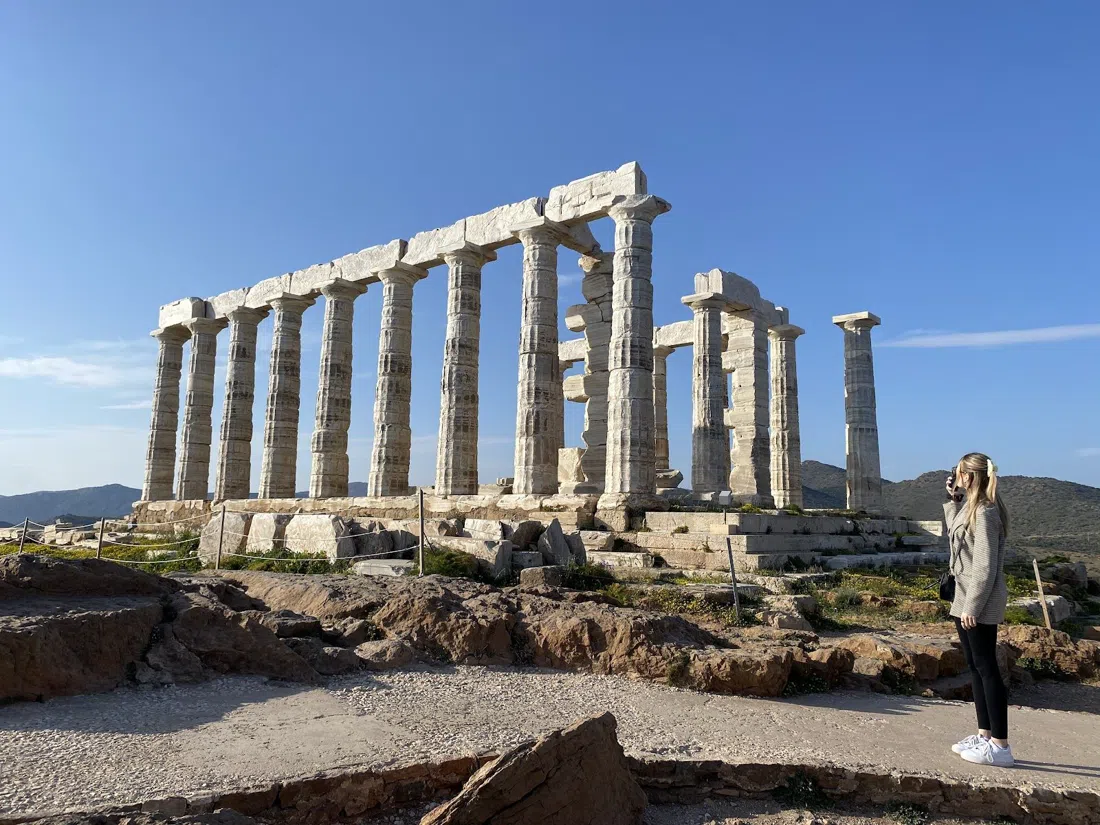
Where the real photographers stand
Here is the part the guidebooks bury: some of the best views of the Acropolis are not on the Acropolis at all, they are free, and they are gloriously uncrowded even in high season. Once you have done the rock at dawn, this is where I'd spend a golden hour.
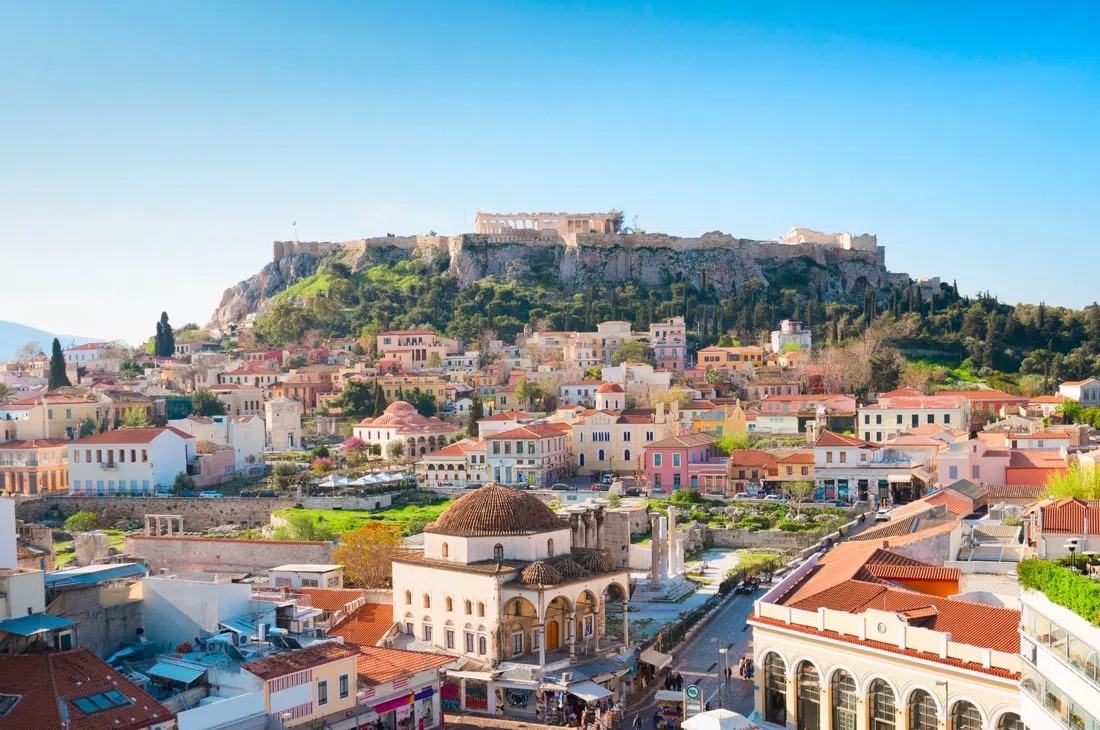
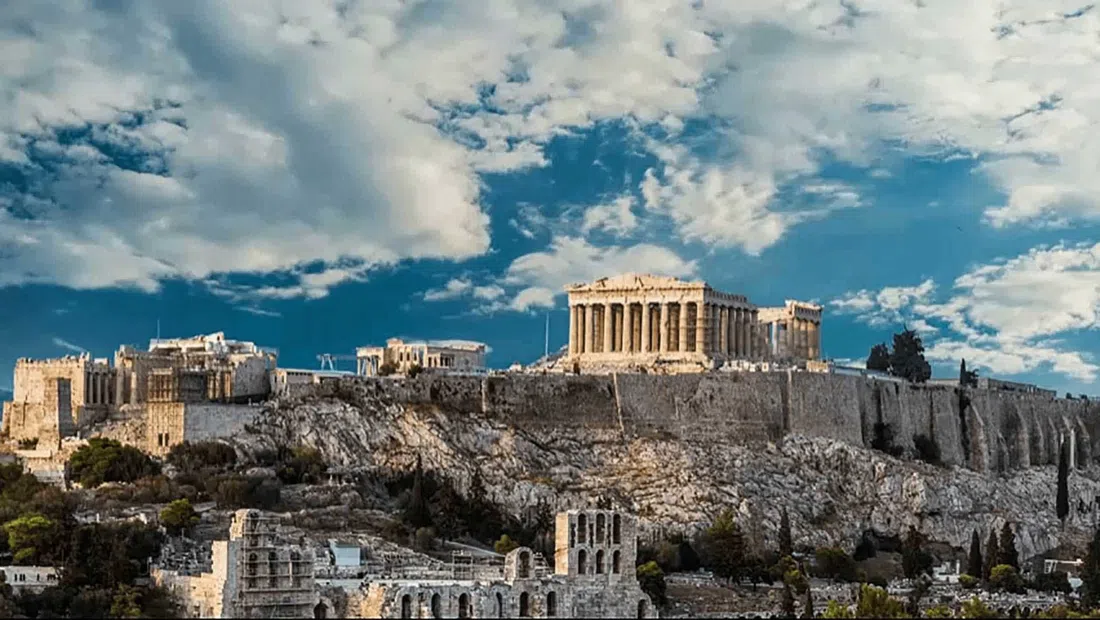
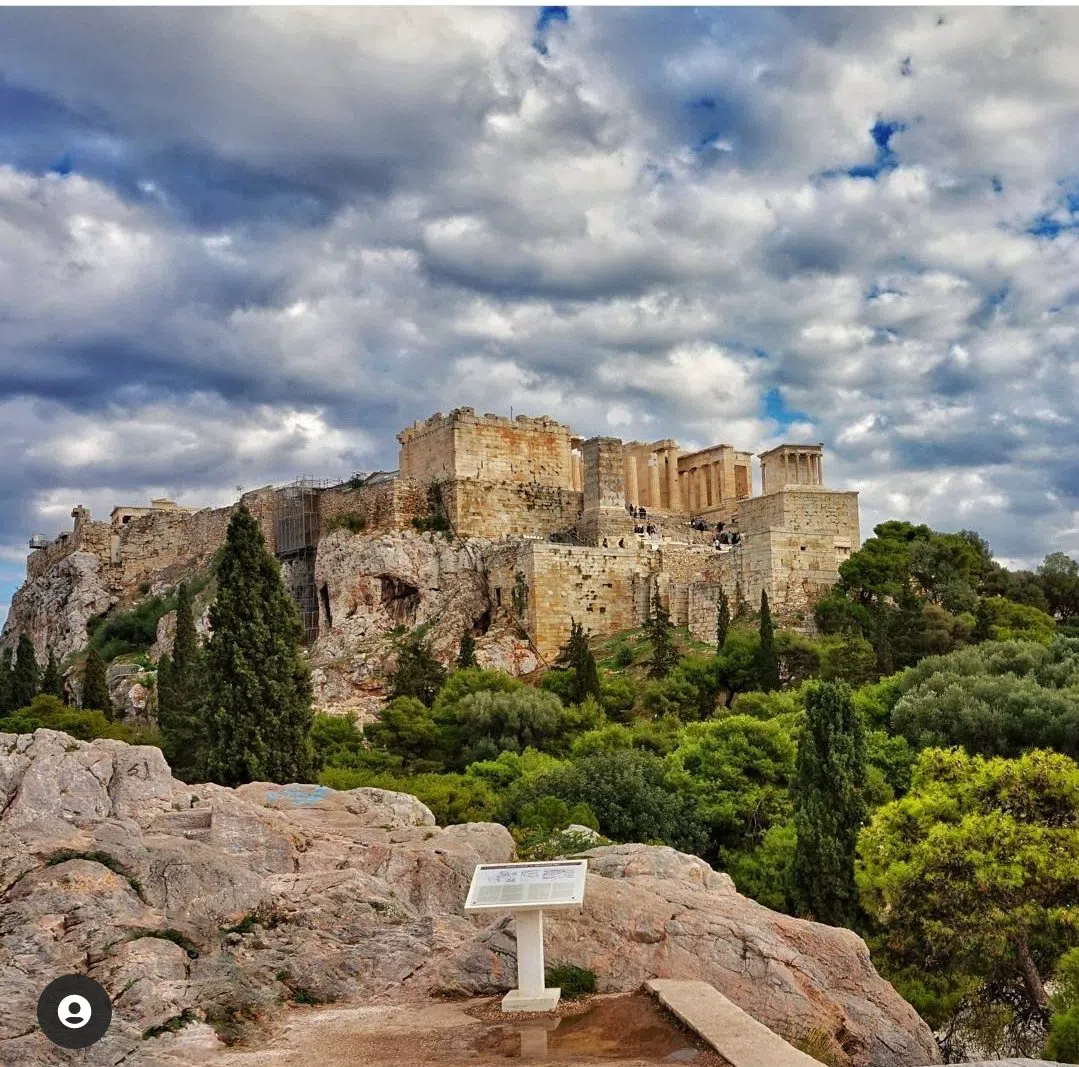
Start with Philopappos Hill (Filopappou, the pine-covered parkland just south-west of the rock). It is open public land, unticketed, fine for any size of group, and it gives you the best free Parthenon view in the city — directly opposite, at eye level, close enough to feel monumental. Come at sunset with a bottle of water and you'll wonder why anyone queues.
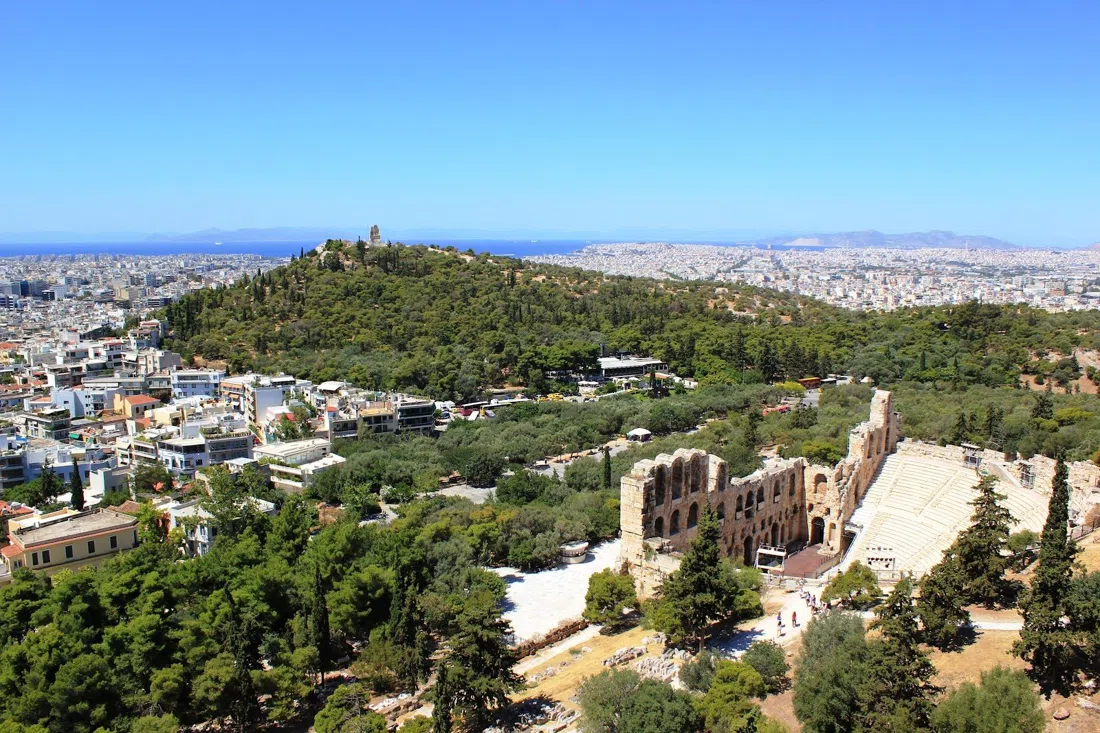
Just beside it, Pnyx Hill (the historic hillside a ten-minute stroll from the entrance) is the quiet one — the literal birthplace of democracy, where the assembly met, and yet it is often nearly deserted with lovely soft light on the Parthenon in the late afternoon. If you want a moment of stillness and a bit of history under your feet, this is my favourite of the three.
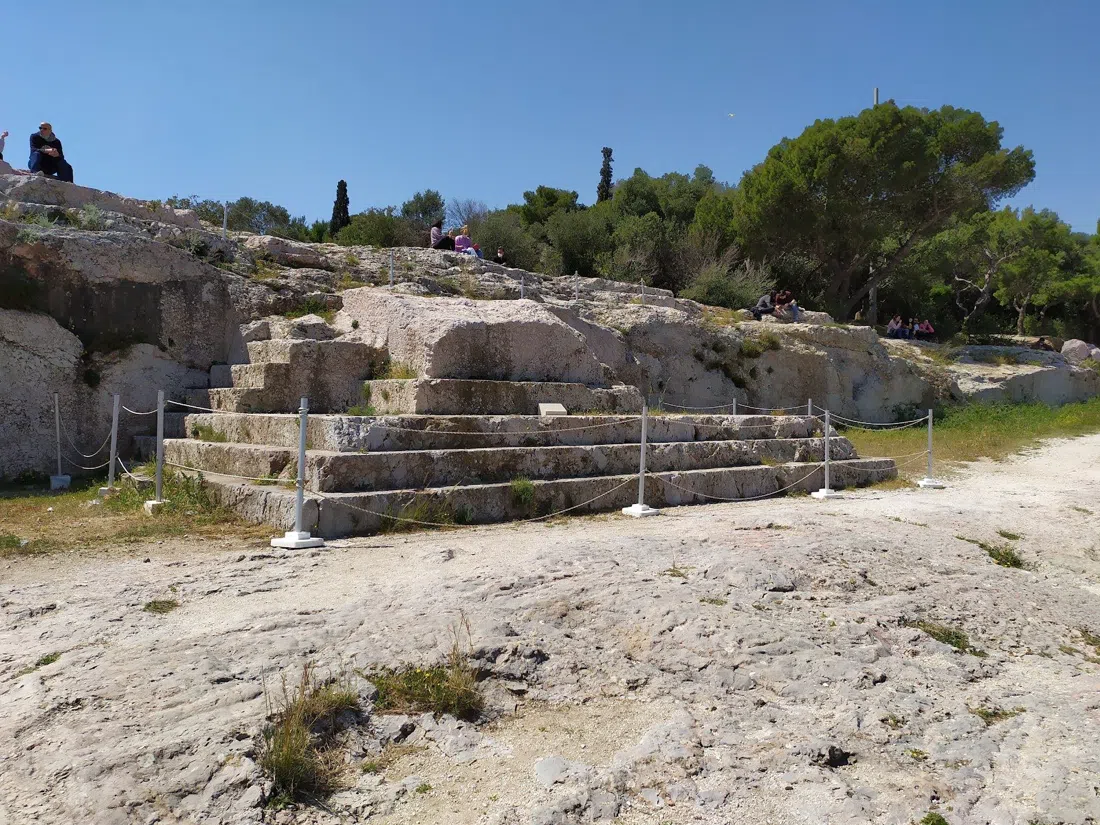
The famous one is Areopagus Hill (Mars Hill, the bald rock right by the main entrance). Free, unticketed, and stunning — but it is the most crowded of the hills at sunset, and the marble is worn treacherously smooth and slick, genuinely dangerous in the wrong shoes. Come at opening or mid-afternoon rather than the golden-hour crush, and mind your footing; I've watched people go down hard up there.
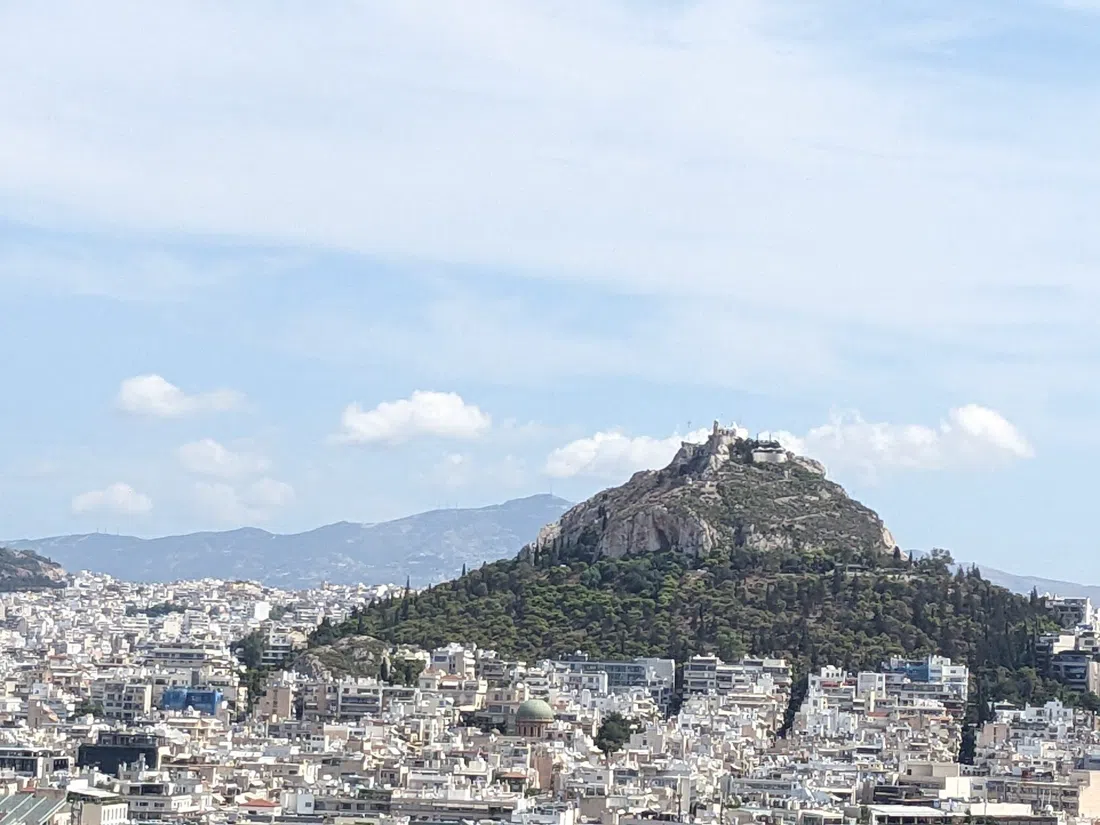
For the widest view of all, ride the Lycabettus Hill Funicular (up from Kolonaki) — every half hour or so, roughly 09:00 to 02:30, about €10 return, and it swallows groups without fuss. From the summit the Acropolis sits small and floodlit against the whole sprawl of the city to the sea. It is the sunset-drink view, well away from the site's own crowds, and the funicular saves your legs the steep climb.
The cool, quiet, air-conditioned antidotes
When the heat spikes and the rock fills, the smart move is to go where the crowds aren't. Three places absorb visitors gracefully and reward you for showing up when everyone else is baking on the marble.
The Acropolis Museum (Makrigianni, a few minutes below the south slope) is the calm, cool answer to the rock itself — €15 in the warm months, €10 in winter — where you see the original sculptures up close with the Parthenon framed through a wall of glass. It comfortably absorbs groups and school parties, and my tip is to go late afternoon, when the site above empties and the museum quietens. There is a café with a terrace view worth the stop, too.

For space and shade with real romance to it, walk down into the Ancient Agora of Athens (Monastiraki/Thissio, below the north slope). This is the marketplace where Socrates argued and Athenians did their democracy — €10 on its own, or already included in that €30 combined Acropolis ticket, so don't pay twice. The best-preserved ancient Greek temple in existence, the Temple of Hephaestus, stands here with a gorgeous Parthenon backdrop and a fraction of the crowds. On a hot afternoon it is far pleasanter than the summit, and it's easy for groups.
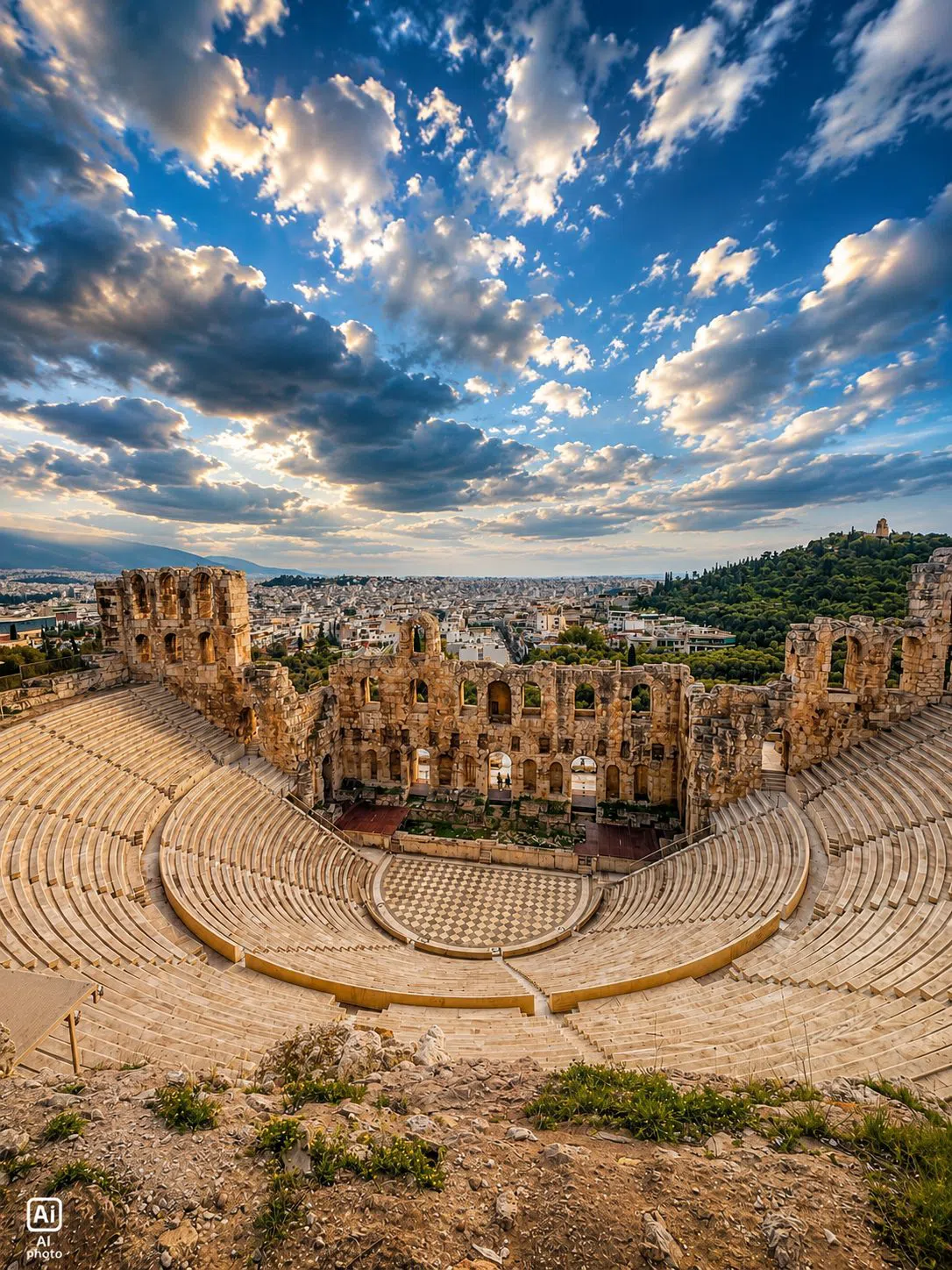
And if your visit falls in high summer, do not miss a night at the Odeon of Herodes Atticus (the great theatre on the south slope, part of the Athens Epidaurus Festival). From June to August this 1,900-year-old theatre stages concerts and ancient drama beneath the floodlit rock, tickets roughly €15–90 depending on the seat. It seats a large audience and group bookings are straightforward. You see the Acropolis by night, with zero daytime crowds and the marble glowing above you — it is, hands down, the most moving way to end a day here.
Practical notes — the stuff that actually saves your morning
Timing. Book the 8:00–9:00am slot on hhticket.gr five to seven days ahead for summer; be at the gate by 7:45. Save the free hills for the golden hours either side of the day, and the Acropolis Museum for late afternoon.
Getting up there. The metro to Akropoli (Line 2) or Monastiraki (Lines 1 and 3) drops you a short, well-signed walk from the south-slope entrance. From there it's a gentle uphill on stone paths.
Feet and footing. Wear proper shoes with grip. The paths and especially the marble on Areopagus are polished glass-smooth by centuries of feet — this is the single most common way visitors hurt themselves here.
Sun and water. There is almost no shade on the rock. Bring a hat, sunscreen and a full water bottle; the fountains at the base fill it for free.
Cash. Tickets and most tours are card-friendly and bought online, but carry a little cash for the funicular, kiosks and tips.
Budget, roughly. A dawn ticket is €30 (€15 in winter); a good guided morning adds €65–150 per person; the audio app is under €16; the free hills and the €10 Agora round out a full, uncrowded day for well under the price of one rushed, midday coach tour.
Sort your bed before your ticket — start with an Athens hotel search, and if you're still shaping the rest of the trip, the wider Athens guide has where to eat and what to see once you're down off the rock. Book the 8am slot, wear the right shoes, and you'll have a morning most visitors never get.